Kirjojen hintavertailu. Mukana 11 699 587 kirjaa ja 12 kauppaa.

Kirjahaku

Etsi kirjoja tekijän nimen, kirjan nimen tai ISBN:n perusteella.

5 kirjaa tekijältä Munro Price

Napoleon

Napoleon

Munro Price

Oxford University Press
2016
nidottu
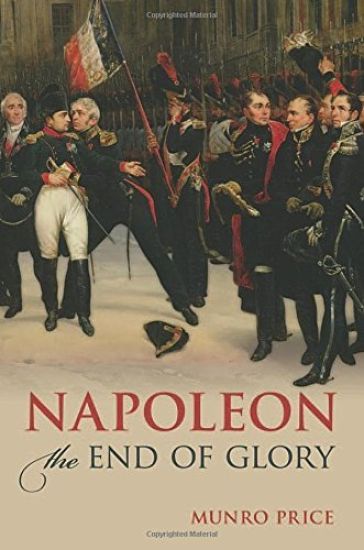
Napoleon: The End of Glory tells the story of the dramatic two years that led to Napoleon's abdication in April 1814. Though crucial to European history, they remain strangely neglected, lying between the two much better-known landmarks of the retreat from Moscow and the battle of Waterloo. Yet this short period saw both Napoleon's loss of his European empire, and of his control over France itself. In 1813 the massive battle of Leipzig - the bloodiest in modern history before the first day of the Somme - forced his armies back to the Rhine. The next year, after a brilliant campaign against overwhelming odds, Napoleon was forced to abdicate and exiled to Elba. He regained his throne the following year, for just a hundred days, in a doomed adventure whose defeat at Waterloo was predictable. The most fascinating - and least-known - aspect of these years is that at several key points Napoleon's enemies offered him peace terms that would have allowed him to keep his throne, if not his empire, a policy inspired by the brilliant and devious Austrian foreign minister Metternich. Napoleon: The End of Glory sheds fascinating new light on Napoleon, Metternich, and many other key figures and events in this dramatic period of European history, drawing on previously unused archives in France, Austria, and the Czech Republic. Through these it seeks to answer the most important question of all - why, instead of accepting a compromise, Napoleon chose to gamble on total victory at the risk of utter defeat?
Napoleon

Napoleon

Munro Price

Oxford University Press
2014
sidottu
Napoleon: The End of Glory tells the story of the dramatic two years that led to Napoleon's abdication in April 1814. Though crucial to European history, they remain strangely neglected, lying between the two much better-known landmarks of the retreat from Moscow and the battle of Waterloo. Yet this short period saw both Napoleon's loss of his European empire, and of his control over France itself. In 1813 the massive battle of Leipzig - the bloodiest in modern history before the first day of the Somme - forced his armies back to the Rhine. The next year, after a brilliant campaign against overwhelming odds, Napoleon was forced to abdicate and exiled to Elba. He regained his throne the following year, for just a hundred days, in a doomed adventure whose defeat at Waterloo was predictable. The most fascinating - and least-known - aspect of these years is that at several key points Napoleon's enemies offered him peace terms that would have allowed him to keep his throne, if not his empire, a policy inspired by the brilliant and devious Austrian foreign minister Metternich. Napoleon: The End of Glory sheds fascinating new light on Napoleon, Metternich, and many other key figures and events in this dramatic period of European history, drawing on previously unused archives in France, Austria, and the Czech Republic. Through these it seeks to answer the most important question of all - why, instead of accepting a compromise, Napoleon chose to gamble on total victory at the risk of utter defeat?
Napoleon: The End of Glory

Napoleon: The End of Glory

Munro Price

Oxford University Press
2014
sidottu
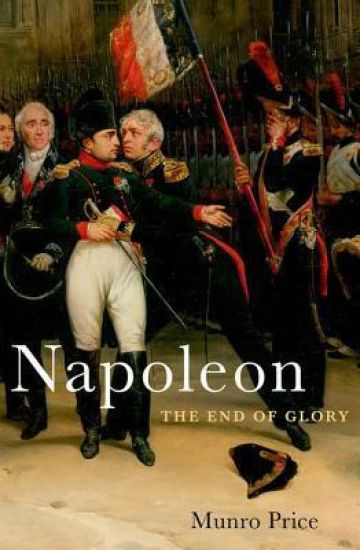
On April 20, 1814, after a dizzying series of battles, campaigns, and diplomatic intrigues, a defeated Napoleon Bonaparte made his farewell speech to the Old Guard in the courtyard of the Chateau de Fontainebleau and set off for exile on the island of Elba. Napoleonic legend asserts that the Emperor was brought down by foreign powers determined to destroy him and discredit his achievements, with the aid of highly placed domestic traitors. Others argue that once Napoleon's military defeats began in 1812, his fall became inevitable. But in fact, as Munro Price shows in this brilliant new book, Napoleon's fall could have been avoided altogether. Exploring a critical and often neglected period of Napoleonic history between 1812 and 1814, Napoleon: The End of Glory offers a more complete picture of the Emperor's decline and fall than any previous work. Price analyzes the political, military, and diplomatic events of the period, from Napoleon's disastrous invasion of Russia in 1812 to the multiple failed attempts by Austria to broker peace. He illuminates the dynamic relationships between Napoleon and the wily Austrian foreign minister Metternich-whose desire for equilibrium within the European states system clashed with Napoleon's unshakeable belief in hegemony and subjection-and the charming and enigmatic Alexander I of Russia. And he explores the lasting impact of the bloody Terror of the French Revolution on Napoleon's decisions once he came to power. Rejecting the assumption that defeat was unavoidable, Price considers instead why Napoleon failed to explore a compromise peace that could have allowed him to keep his crown, arguing that the answer to this question has powerful implications for our understanding of the Napoleonic wars.
Preserving the Monarchy

Preserving the Monarchy

Munro Price

Cambridge University Press
1995
sidottu
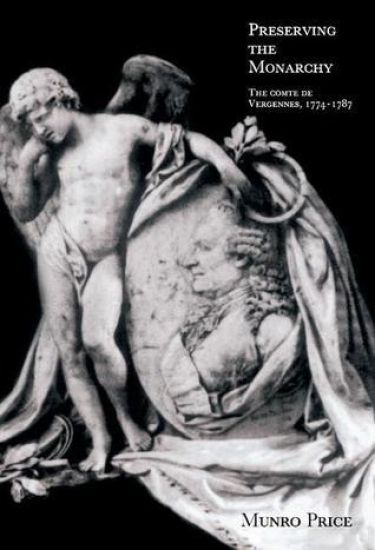
The comte de Vergennes is best known as one of the great foreign ministers of modern French history, but for much of the 1780s he was also first minister in all but name. This is the first book to deal in depth with the critical part he played in French domestic policies on the eve of the Revolution. It studies Vergennes’ role in the context of the debate on the nature and future of the French monarchy in the two decades before the Revolution. His financial reforms, fully examined here, were the last attempt to restructure the monarchy in accordance with its traditional principles. The failure of this undertaking accelerated the final collapse of the royal government. Preserving the Monarchy is based on archival research, as well as reinterpretations of the established sources. The result is a significant study, not merely of Vergennes but of the end of the ancien régime.
Preserving the Monarchy

Preserving the Monarchy

Munro Price

Cambridge University Press
2004
pokkari
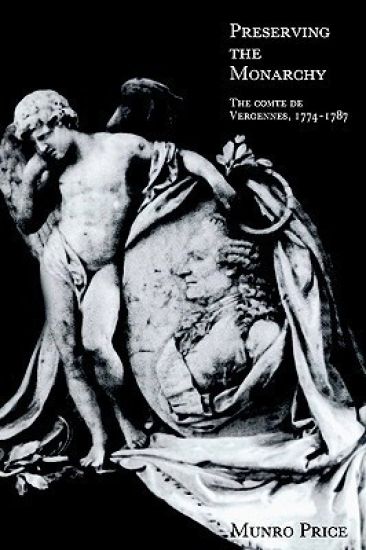
The comte de Vergennes is best known as one of the great foreign ministers of modern French history, but for much of the 1780s he was also first minister in all but name. This is the first book to deal in depth with the critical part he played in French domestic policies on the eve of the Revolution. It studies Vergennes’ role in the context of the debate on the nature and future of the French monarchy in the two decades before the Revolution. His financial reforms, fully examined here, were the last attempt to restructure the monarchy in accordance with its traditional principles. The failure of this undertaking accelerated the final collapse of the royal government. Preserving the Monarchy is based on archival research, as well as reinterpretations of the established sources. The result is a significant study, not merely of Vergennes but of the end of the ancien régime.