
Kirjojen hintavertailu. Mukana 12 016 292 kirjaa ja 12 kauppaa.

Kirjahaku

Etsi kirjoja tekijän nimen, kirjan nimen tai ISBN:n perusteella.

6 kirjaa tekijältä Murray Milner

Elites

Elites

Murray Milner

Polity Press
2014
sidottu
At a time when significant social status, economic resources, and political opportunities seem to become ever more unequally distributed and only available to a few, this book represents the first systematic effort in recent years to develop a sociological model of elites and non-elites. In outlining a new typology of economic, political, and cultural elites, as well as drawing attention to the important role of non-elites, this accessibly written book provides novel insights into the structure of historical and contemporary societies. Milner identifies the sources and structures of economic, political, and cultural power, and investigates patterns of cooperation and conflict between and within elite groups. Analyzing politicians and propagandists, landowners and capitalists, national heroes and celebrities, ordinary folks and outcasts, the book applies its model to three distinctly different societies – ancient India, Classical Athens, and the contemporary United States – highlighting important structural commonalities across these otherwise very dissimilar societies. A significant contribution to scholarship, Elites will also be useful for an array of courses in sociology, political science, and history.
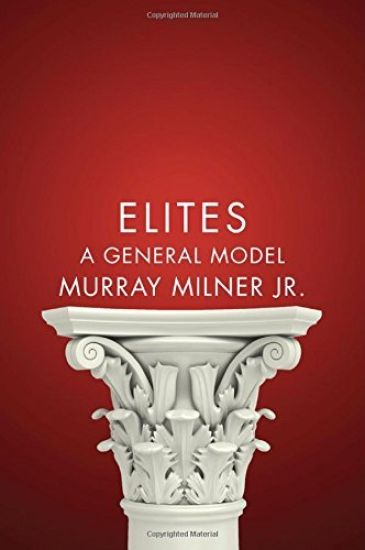
Elites

Elites

Murray Milner

Polity Press
2014
nidottu
At a time when significant social status, economic resources, and political opportunities seem to become ever more unequally distributed and only available to a few, this book represents the first systematic effort in recent years to develop a sociological model of elites and non-elites. In outlining a new typology of economic, political, and cultural elites, as well as drawing attention to the important role of non-elites, this accessibly written book provides novel insights into the structure of historical and contemporary societies. Milner identifies the sources and structures of economic, political, and cultural power, and investigates patterns of cooperation and conflict between and within elite groups. Analyzing politicians and propagandists, landowners and capitalists, national heroes and celebrities, ordinary folks and outcasts, the book applies its model to three distinctly different societies – ancient India, Classical Athens, and the contemporary United States – highlighting important structural commonalities across these otherwise very dissimilar societies. A significant contribution to scholarship, Elites will also be useful for an array of courses in sociology, political science, and history.

Freaks, Geeks, and Cool Kids

Freaks, Geeks, and Cool Kids

Murray Milner

Routledge
2015
sidottu
In Freaks, Geeks, and Cool Kids, Second Edition, award-winning sociologist Murray Milner tries to understand why teenagers behave the way they do. The first edition drew upon two years of intensive fieldwork in one high school and 300 written interviews about high schools across the country, where he argued that consumer culture greatly impacts the way our youth relate to one another and understand themselves and society. Milner now expands on that concept with a new year of fieldwork fifteen years after he began. He has uncovered in teens a move away from consumerism and towards the cultural capital of information in a time of social media and standardized tests.
Freaks, Geeks, and Cool Kids

Freaks, Geeks, and Cool Kids

Murray Milner

Routledge
2015
nidottu
In Freaks, Geeks, and Cool Kids, Second Edition, award-winning sociologist Murray Milner tries to understand why teenagers behave the way they do. The first edition drew upon two years of intensive fieldwork in one high school and 300 written interviews about high schools across the country, where he argued that consumer culture greatly impacts the way our youth relate to one another and understand themselves and society. Milner now expands on that concept with a new year of fieldwork fifteen years after he began. He has uncovered in teens a move away from consumerism and towards the cultural capital of information in a time of social media and standardized tests.