Kirjojen hintavertailu. Mukana 12 390 323 kirjaa ja 12 kauppaa.

Kirjahaku

Etsi kirjoja tekijän nimen, kirjan nimen tai ISBN:n perusteella.

4 kirjaa tekijältä Nadège T. Clitandre

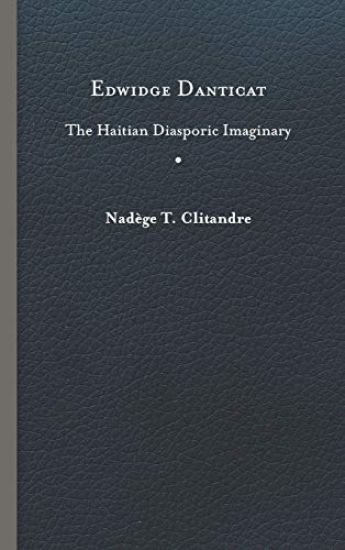
Edwidge Danticat

Edwidge Danticat

Nadège T. Clitandre

University of Virginia Press
2018
sidottu
Haitian-American writer Edwidge Danticat is one of the most recognized writers today. Her debut novel, Breath, Eyes, Memory, was an Oprah Book Club selection, and works such as Krik? Krak! and Brother, I’m Dying have earned her a MacArthur ""genius"" grant and National Book Award nominations. Yet despite international acclaim and the relevance of her writings to postcolonial, feminist, Caribbean, African diaspora, Haitian, literary, and global studies, Danticat’s work has not been the subject of a full-length interpretive literary analysis until now.In Edwidge Danticat: The Haitian Diasporic Imaginary, Nadège T. Clitandre offers a comprehensive analysis of Danticat’s exploration of the dialogic relationship between nation and diaspora. Clitandre argues that Danticat—moving between novels, short stories, and essays—articulates a diasporic consciousness that acts as a form of social, political, and cultural transformation at the local and global level. Using the echo trope to approach Danticat’s narratives and subjects, Clitandre effectively navigates between the reality of diaspora and imaginative opportunities that diasporas produce. Ultimately, Clitandre calls for a reconstitution of nation through a diasporic imaginary that informs the way people who have experienced displacement view the world and imagine a more diverse, interconnected, and just future.

Edwidge Danticat

Edwidge Danticat

Nadège T. Clitandre

University of Virginia Press
2018
nidottu
Haitian-American writer Edwidge Danticat is one of the most recognized writers today. Her debut novel, Breath, Eyes, Memory, was an Oprah Book Club selection, and works such as Krik? Krak! and Brother, I’m Dying have earned her a MacArthur ""genius"" grant and National Book Award nominations. Yet despite international acclaim and the relevance of her writings to postcolonial, feminist, Caribbean, African diaspora, Haitian, literary, and global studies, Danticat’s work has not been the subject of a full-length interpretive literary analysis until now.In Edwidge Danticat: The Haitian Diasporic Imaginary, Nadège T. Clitandre offers a comprehensive analysis of Danticat’s exploration of the dialogic relationship between nation and diaspora. Clitandre argues that Danticat—moving between novels, short stories, and essays—articulates a diasporic consciousness that acts as a form of social, political, and cultural transformation at the local and global level. Using the echo trope to approach Danticat’s narratives and subjects, Clitandre effectively navigates between the reality of diaspora and imaginative opportunities that diasporas produce. Ultimately, Clitandre calls for a reconstitution of nation through a diasporic imaginary that informs the way people who have experienced displacement view the world and imagine a more diverse, interconnected, and just future.
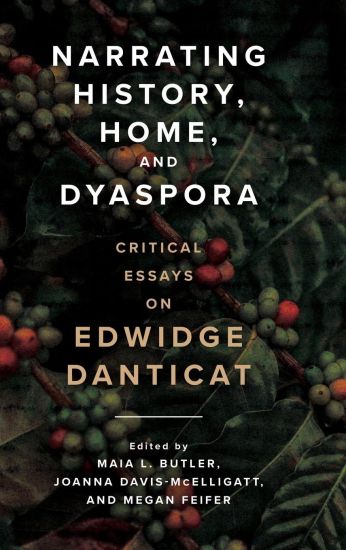
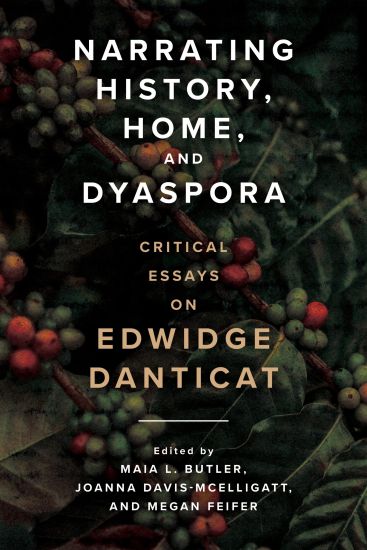
Narrating History, Home, and Dyaspora

Narrating History, Home, and Dyaspora

Nadège T. Clitandre

UNIVERSITY PRESS OF MISSISSIPPI
2022
sidottu
Contributions by Cècile Accilien, Maria Rice Bellamy, Gwen Bergner, Olga Blomgren, Maia L. Butler, Isabel Caldeira, Nadège T. Clitandre, Thadious Davis, Joanna Davis-McElligatt, Laura Dawkins, Megan Feifer, Delphine Gras, Akia Jackson, Tammie Jenkins, Shewonda Leger, Jennifer Lozano, Marion Rohrleitner, Thomás Rothe, Erika Serrato, Lucía Stecher, and Joyce White Narrating History, Home, and Dyaspora: Critical Essays on Edwidge Danticat contains fifteen essays addressing how Edwidge Danticat’s writing, anthologizing, and storytelling trace, (re)construct, and develop alternate histories, narratives of nation building, and conceptions of home and belonging. The prolific Danticat is renowned for novels, collections of short fiction, nonfiction, and editorial writing. As her experimentation in form expands, so does her force as a public intellectual. Danticat’s literary representations, political commentary, and personal activism have proven vital to classroom and community work imagining radical futures. Among increasing anti-immigrant sentiment and containment and rampant ecological volatility, Danticat’s contributions to public discourse, art, and culture deserve sustained critical attention. These essays offer essential perspectives to scholars, public intellectuals, and students interested in African diasporic, Haitian, Caribbean, and transnational American literary studies. This collection frames Danticat’s work as an indictment of statelessness, racialized and gendered state violence, the persistence of political and economic margins, and the essential vitality of life in and as dyaspora. The first section of this volume, "The Other Side of the Water," engages with Danticat’s construction and negotiation of nation, both in Haiti and the United States; the broader dyaspora; and her own, her family’s, and her fictional characters’ places within them. The second section, "Welcoming Ghosts," delves into the ever-present specter of history and memory, prominent themes found throughout Danticat’s work. From origin stories to broader Haitian histories, this section addresses the underlying traumas involved when remembering the past and its relationship to the present. The third section, "I Speak Out," explores the imperative to speak, paying particular attention to the narrative form with which such telling occurs. The fourth and final section, "Create Dangerously," contends with Haitians’ activism, community building, and the political and ecological climate of Haiti and its dyaspora.
Narrating History, Home, and Dyaspora

Narrating History, Home, and Dyaspora

Nadège T. Clitandre

UNIVERSITY PRESS OF MISSISSIPPI
2022
pokkari
Contributions by Cècile Accilien, Maria Rice Bellamy, Gwen Bergner, Olga Blomgren, Maia L. Butler, Isabel Caldeira, Nadège T. Clitandre, Thadious Davis, Joanna Davis-McElligatt, Laura Dawkins, Megan Feifer, Delphine Gras, Akia Jackson, Tammie Jenkins, Shewonda Leger, Jennifer Lozano, Marion Rohrleitner, Thomás Rothe, Erika Serrato, Lucía Stecher, and Joyce White Narrating History, Home, and Dyaspora: Critical Essays on Edwidge Danticat contains fifteen essays addressing how Edwidge Danticat’s writing, anthologizing, and storytelling trace, (re)construct, and develop alternate histories, narratives of nation building, and conceptions of home and belonging. The prolific Danticat is renowned for novels, collections of short fiction, nonfiction, and editorial writing. As her experimentation in form expands, so does her force as a public intellectual. Danticat’s literary representations, political commentary, and personal activism have proven vital to classroom and community work imagining radical futures. Among increasing anti-immigrant sentiment and containment and rampant ecological volatility, Danticat’s contributions to public discourse, art, and culture deserve sustained critical attention. These essays offer essential perspectives to scholars, public intellectuals, and students interested in African diasporic, Haitian, Caribbean, and transnational American literary studies. This collection frames Danticat’s work as an indictment of statelessness, racialized and gendered state violence, the persistence of political and economic margins, and the essential vitality of life in and as dyaspora. The first section of this volume, "The Other Side of the Water," engages with Danticat’s construction and negotiation of nation, both in Haiti and the United States; the broader dyaspora; and her own, her family’s, and her fictional characters’ places within them. The second section, "Welcoming Ghosts," delves into the ever-present specter of history and memory, prominent themes found throughout Danticat’s work. From origin stories to broader Haitian histories, this section addresses the underlying traumas involved when remembering the past and its relationship to the present. The third section, "I Speak Out," explores the imperative to speak, paying particular attention to the narrative form with which such telling occurs. The fourth and final section, "Create Dangerously," contends with Haitians’ activism, community building, and the political and ecological climate of Haiti and its dyaspora.