Kirjojen hintavertailu. Mukana 12 016 292 kirjaa ja 12 kauppaa.

Kirjahaku

Etsi kirjoja tekijän nimen, kirjan nimen tai ISBN:n perusteella.

5 kirjaa tekijältä Nan Goodman

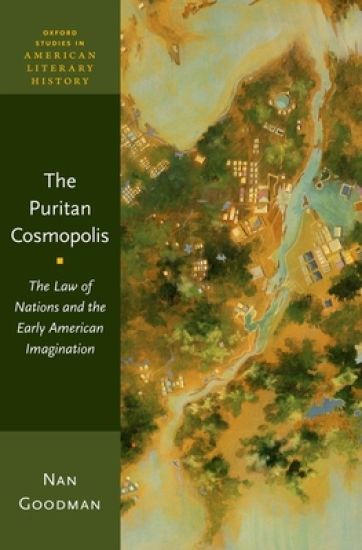
The Puritan Cosmopolis

The Puritan Cosmopolis

Nan Goodman

Oxford University Press Inc
2018
sidottu
The Puritan Cosmopolis traces a sense of kinship that emerged from within the larger realm of Puritan law and literature in late seventeenth-century New England. Nan Goodman argues that these early modern Puritans -- connected to the cosmopolis in part through travel, trade, and politics -- were also thinking in terms that went beyond feeling affiliated with people in remote places, or what cosmopolitan theorists call "attachment at a distance." In this way Puritan writers and readers were not simply learning about others, but also cultivating an awareness of themselves as ethically related to people all around the world. Such thought experiments originated and advanced through the law, specifically the law of nations, a precursor to international law and an inspiration for much of the imagination and literary expression of cosmopolitanism among the Puritans. The Puritan Cosmopolis shows that by internalizing the legal theories that pertained to the world writ large, the Puritans were able to experiment with concepts of extended obligation, re-conceptualize war, contemplate new ways of cultivating peace, and rewrite the very meaning of Puritan living. Through a detailed consideration of Puritan legal thought, Goodman provides an unexpected link between the Puritans, Jews, and Ottomans in the early modern world and reveals how the Puritan legal and literary past relates to present concerns about globalism and cosmopolitanism.
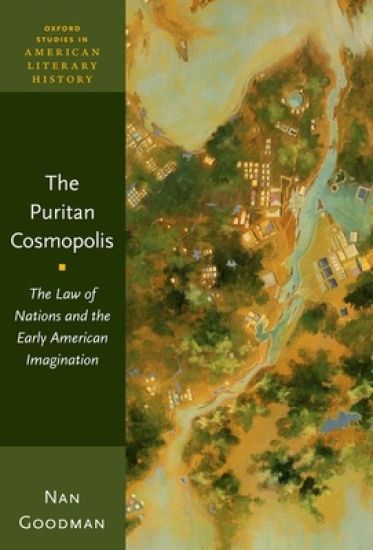
The Puritan Cosmopolis

The Puritan Cosmopolis

Nan Goodman

OXFORD UNIVERSITY PRESS INC
2022
nidottu
The Puritan Cosmopolis traces a sense of kinship that emerged from within the larger realm of Puritan law and literature in late seventeenth-century New England. Nan Goodman argues that these early modern Puritans-connected to the cosmopolis in part through travel, trade, and politics-were also thinking in terms that went beyond feeling affiliated with people in remote places, or what cosmopolitan theorists call "attachment at a distance." In this way Puritan writers and readers were not simply learning about others, but also cultivating an awareness of themselves as ethically related to people all around the world. Such thought experiments originated and advanced through the law, specifically the law of nations, a precursor to international law and an inspiration for much of the imagination and literary expression of cosmopolitanism among the Puritans. The Puritan Cosmopolis shows that by internalizing the legal theories that pertained to the world writ large, the Puritans were able to experiment with concepts of extended obligation, re-conceptualize war, contemplate new ways of cultivating peace, and rewrite the very meaning of Puritan living. Through a detailed consideration of Puritan legal thought, Goodman provides an unexpected link between the Puritans, Jews, and Ottomans in the early modern world and reveals how the Puritan legal and literary past relates to present concerns about globalism and cosmopolitanism.
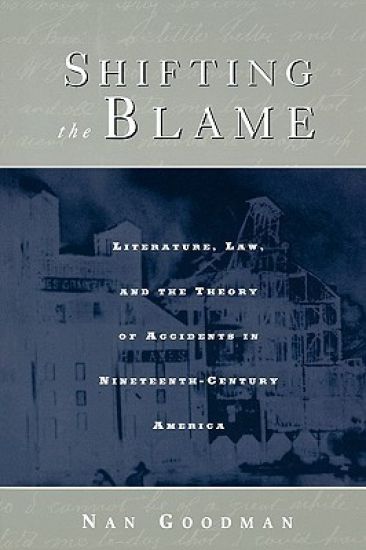
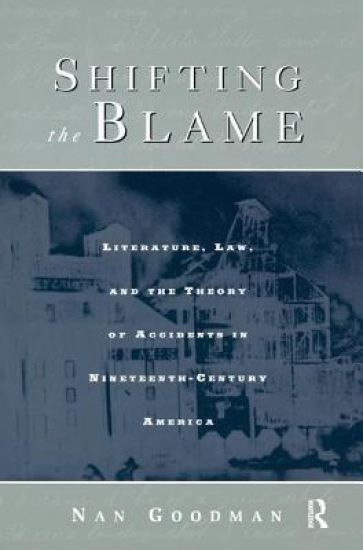
Shifting the Blame

Shifting the Blame

Nan Goodman

Routledge
1999
nidottu
When someone gets hurt in an accident we reflexively ask a set of questions which ultimately comes down to who was blameworthy? Yet early nineteenth-century Americans were entirely, and to the modern reader, astonishingly, uninterested in this line of reasoning. Their concern was whether an accident had happened and not why. Nan Goodman takes this transformation in legal and popular thought about the nature of accidents as a starting point for a broad inquiry into changing conceptions of individual agency-and ultimately of self-in industrializing America. Goodman looks to both conventional historical sources and the literary depiction of accidents in the work of Mark Twain, Stephen Crane, Charles Chesnutt, and others to explain the new ways that Americans began to make sense of the unplanned.
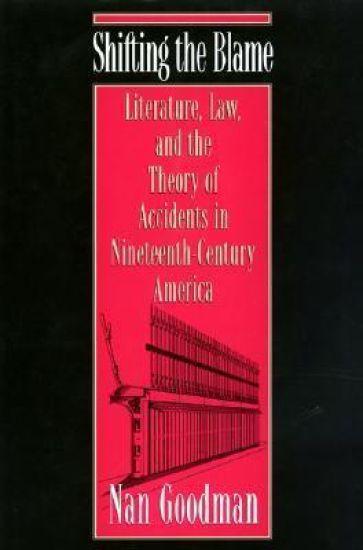
Shifting the Blame

Shifting the Blame

Nan Goodman

Princeton University Press
1998
sidottu
Drawing on legal cases, legal debates, and fiction including works by James Fenimore Cooper, Mark Twain, Stephen Crane, and Charles Chesnutt, Nan Goodman investigates changing notions of responsibility and agency in nineteenth-century America. By looking at accidents and accident law in the industrializing society, Goodman shows how courts moved away from the doctrine of strict liability to a new notion of liability that emphasized fault and negligence. Shifting the Blame reveals the pervasive impact of this radically new theory of responsibility in understandings of industrial hazards, in manufacturing dangers, and in the stories that were told and retold about accidents. In exciting tales of the actions of "good Samaritans" or of sea, steamboat, or railroad accidents, features of risk that might otherwise escape our attention--such as the suddenness of impact, the encounter between strangers, and the debates over blame and responsibility--were reconstructed in a manner that revealed both imagined and actual solutions to one of the most difficult philosophical and social conflicts in the nineteenth-century United States. Through literary and legal stories of accidents, Goodman suggests, we learn a great deal about what Americans thought about blame, injury, and individual responsibility in one of the most formative periods of our history.
Shifting the Blame

Shifting the Blame

Nan Goodman

Routledge
2017
sidottu
When someone gets hurt in an accident we reflexively ask a set of questions which ultimately comes down to who was blameworthy? Yet early nineteenth-century Americans were entirely, and to the modern reader, astonishingly, uninterested in this line of reasoning. Their concern was whether an accident had happened and not why. Nan Goodman takes this transformation in legal and popular thought about the nature of accidents as a starting point for a broad inquiry into changing conceptions of individual agency-and ultimately of self-in industrializing America. Goodman looks to both conventional historical sources and the literary depiction of accidents in the work of Mark Twain, Stephen Crane, Charles Chesnutt, and others to explain the new ways that Americans began to make sense of the unplanned.