Kirjojen hintavertailu. Mukana 12 439 795 kirjaa ja 12 kauppaa.

Kirjahaku

Etsi kirjoja tekijän nimen, kirjan nimen tai ISBN:n perusteella.

2 kirjaa tekijältä Nancy J. Gates-Madsen

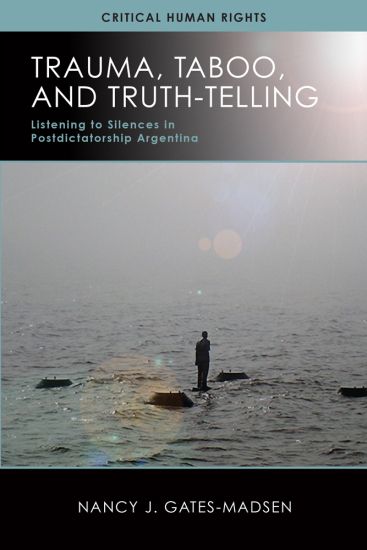
Trauma, Taboo, and Truth-Telling

Trauma, Taboo, and Truth-Telling

Nancy J. Gates-Madsen

University of Wisconsin Press
2016
sidottu
Argentina’s repressive 1976–83 dictatorship, during which an estimated thirty thousand people were “disappeared,” prompted the postauthoritarian administrations and human rights groups to encourage public exposure of past crimes and traumas. Truth commissions, trials, and other efforts have aimed to break the silence and give voice to the voiceless. Yet despite these many reckonings, there are still silences, taboos, and unanswerable questions.Nancy J. Gates-Madsen reads between the lines of Argentine cultural texts (fiction, drama, testimonial narrative, telenovela, documentary film) to explore the fundamental role of silence—the unsaid—in the expression of trauma. Her careful examination of the interplay between textual and contextual silences illuminates public debate about the meaning of memory in Argentina—which stories are being told, and, more important, which are being silenced. The imposition of silence is not limited to the military domain or its apologists, she shows; the human rights community also perpetuates and creates taboos.
Trauma, Taboo, and Truth-Telling

Trauma, Taboo, and Truth-Telling

Nancy J. Gates-Madsen

University of Wisconsin Press
2018
nidottu
Argentina's repressive 1976?83 dictatorship, during which an estimated thirty-thousand people were ""disappeared,"" prompted the postauthoritarian administrations and human rights groups to encourage public exposure of past crimes and traumas. Truth commissions, trials, and other efforts have aimed to break the silence and give voice to the voiceless. Yet despite these many reckonings, there are still silences, taboos, and unanswerable questions.Nancy J. Gates-Madsen reads between the lines of Argentine cultural texts (fiction, drama, testimonial narrative, telenovela, documentary film) to explore the fundamental role of silence?the unsaid?in the expression of trauma. Her careful examination of the interplay between textual and contextual silences illuminates public debate about the meaning of memory in Argentina?which stories are being told, and, more important, which are being silenced. The imposition of silence is not limited to the military domain or its apologists, she shows; the human rights community also perpetuates and creates taboos.