Kirjojen hintavertailu. Mukana 11 699 587 kirjaa ja 12 kauppaa.

Kirjahaku

Etsi kirjoja tekijän nimen, kirjan nimen tai ISBN:n perusteella.

6 kirjaa tekijältä Nathan Hesselink

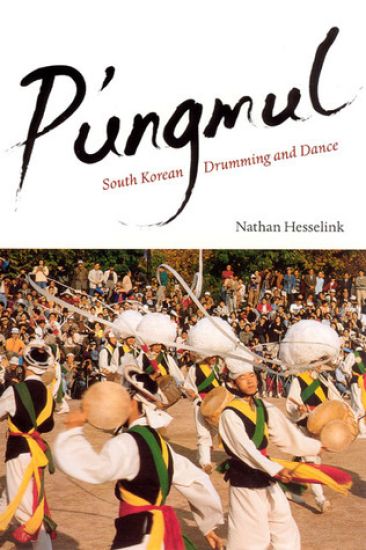
P'ungmul

P'ungmul

Nathan Hesselink

University of Chicago Press
2006
sidottu
Composed of a core set of two drums and two gongs, p'ungmul is a South Korean tradition of rural folk percussion. Steeped in music, dance, theater, and pageantry, but centrally focused on rhythm, such ensembles have been an integral part of village life in South Korea for centuries, serving as a musical accompaniment in the often overlapping and shifting contexts of labor, ritual, and entertainment. The first book to introduce Korean drumming and dance to the English-speaking world, Nathan Hesselink's "P'ungmul" offers detailed descriptions of its instrumentation, dance formations, costuming, actors, teaching lineages, and the complexities of training. Hesselink also evaluates how this tradition has taken on new roles and meanings in the twentieth and early twenty-first centuries, investigating the interrelated, yet contested spheres of history, memory, government policy, grassroots politics, opportunities for musical transmission, and performance practices and aesthetics. "P'ungmul" offers those interested in ethnomusicology, world music, anthropology, sociology, and Asian studies a special glimpse into the inner workings of a historically rich, artistically complex, and aesthetically and aurally beautiful Korean musical and dance tradition.
P'ungmul

P'ungmul

Nathan Hesselink

University of Chicago Press
2006
nidottu
Composed of a core set of two drums and two gongs, p'ungmul is a South Korean tradition of rural folk percussion. Steeped in music, dance, theater, and pageantry, but centrally focused on rhythm, such ensembles have been an integral part of village life in South Korea for centuries, serving as a musical accompaniment in the often overlapping and shifting contexts of labor, ritual, and entertainment. The first book to introduce Korean drumming and dance to the English-speaking world, Nathan Hesselink's "P'ungmul" offers detailed descriptions of its instrumentation, dance formations, costuming, actors, teaching lineages, and the complexities of training. Hesselink also evaluates how this tradition has taken on new roles and meanings in the twentieth and early twenty-first centuries, investigating the interrelated, yet contested spheres of history, memory, government policy, grassroots politics, opportunities for musical transmission, and performance practices and aesthetics. "P'ungmul" offers those interested in ethnomusicology, world music, anthropology, sociology, and Asian studies a special glimpse into the inner workings of a historically rich, artistically complex, and aesthetically and aurally beautiful Korean musical and dance tradition.
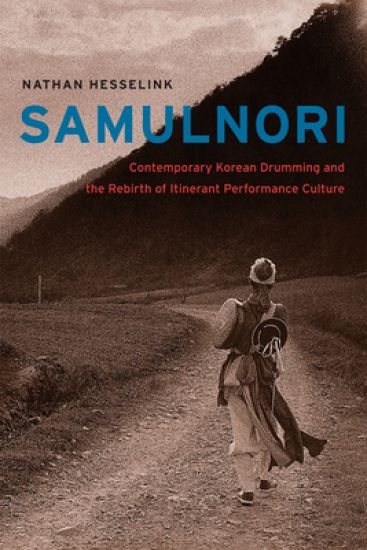
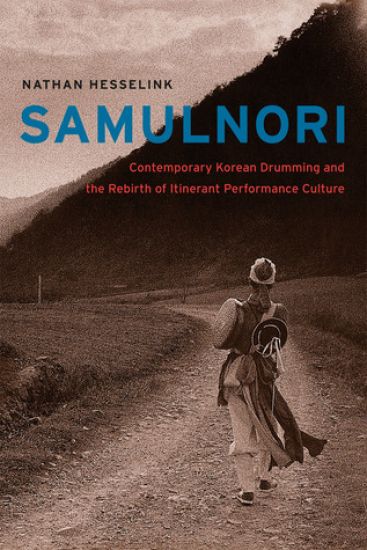
SamulNori – Contemporary Korean Drumming and the Rebirth of Itinerant Performance Culture
In 1978, four musicians crowded into a cramped basement theater in downtown Seoul, where they, for the first time, brought the rural percussive art of p'ungmul to a burgeoning urban audience. In doing so, they began a decades-long reinvention of tradition, one that would eventually create an entirely new genre of music and a national symbol for Korean culture. Nathan Hesselink's "SamulNori" traces this reinvention through the rise of the Korean supergroup of the same name, analyzing the strategies the group employed to transform a museum-worthy musical form into something that was both contemporary and historically authentic, unveiling an intersection of traditional and modern cultures and the inevitable challenges such a mix entails. Providing everything from musical notation to a history of urban culture in South Korea to an analysis of SamulNori's teaching materials and collaborations with Euro-American jazz quartet Red Sun, Hesselink offers a deeply researched study that highlights the need for traditions - if they are to survive - to embrace both preservation and innovation.
SamulNori

SamulNori

Nathan Hesselink

University of Chicago Press
2012
nidottu
In 1978, four musicians crowded into a cramped basement theater in downtown Seoul, where they, for the first time, brought the rural percussive art of p'ungmul to a burgeoning urban audience. In doing so, they began a decades-long reinvention of tradition, one that would eventually create an entirely new genre of music and a national symbol for Korean culture. Nathan Hesselink's "SamulNori" traces this reinvention through the rise of the Korean supergroup of the same name, analyzing the strategies the group employed to transform a museum-worthy musical form into something that was both contemporary and historically authentic, unveiling an intersection of traditional and modern cultures and the inevitable challenges such a mix entails. Providing everything from musical notation to a history of urban culture in South Korea to an analysis of SamulNori's teaching materials and collaborations with Euro-American jazz quartet Red Sun, Hesselink offers a deeply researched study that highlights the need for traditions - if they are to survive - to embrace both preservation and innovation.
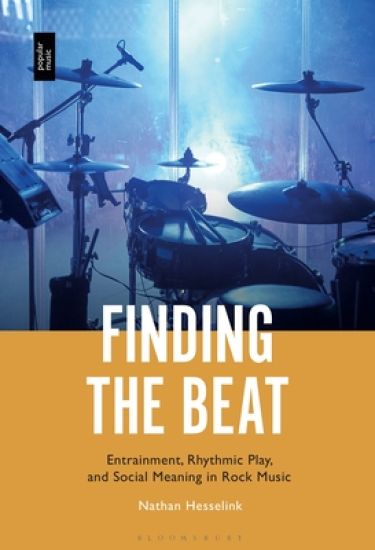
Finding the Beat

Finding the Beat

Nathan Hesselink

BLOOMSBURY PUBLISHING PLC
2022
sidottu
Finding the Beat explores humankind’s ability, propensity, and enjoyment in finding the beat in live and recorded experiences of music-making through the lens of entrainment, the human capacity to perceive a beat and to synchronize to it. Anyone who has attended a concert, gone to a club, or watched a sporting event has witnessed and/or participated in tapping, clapping, or dancing along with a piece, song, or chant. It doesn’t matter who or where you are in the world—as humans we spend a lot of time taking pleasure in matching our bodily movements with a perceived beat. Drawing upon diverse examples from the North American and British rock repertoire, Nathan Hesselink demonstrates that listeners are gripped in deep, compelling, and socially meaningful ways when musicians play with or against expectations set up by entrainment. Via musicology, music theory, popular music studies, ethnomusicology, and cognitive neuroscience, he illustrates the creative, aesthetic, and participatory pleasure and wonder afforded by our collective ability to find the beat.
Finding the Beat

Finding the Beat

Nathan Hesselink

BLOOMSBURY PUBLISHING PLC
2024
nidottu
Finding the Beat explores humankind’s ability, propensity, and enjoyment in finding the beat in live and recorded experiences of music-making through the lens of entrainment, the human capacity to perceive a beat and to synchronize to it. Anyone who has attended a concert, gone to a club, or watched a sporting event has witnessed and/or participated in tapping, clapping, or dancing along with a piece, song, or chant. It doesn’t matter who or where you are in the world—as humans we spend a lot of time taking pleasure in matching our bodily movements with a perceived beat. Drawing upon diverse examples from the North American and British rock repertoire, Nathan Hesselink demonstrates that listeners are gripped in deep, compelling, and socially meaningful ways when musicians play with or against expectations set up by entrainment. Via musicology, music theory, popular music studies, ethnomusicology, and cognitive neuroscience, he illustrates the creative, aesthetic, and participatory pleasure and wonder afforded by our collective ability to find the beat.