
Kirjahaku
Etsi kirjoja tekijän nimen, kirjan nimen tai ISBN:n perusteella.
8 kirjaa tekijältä Nazim Hikmet
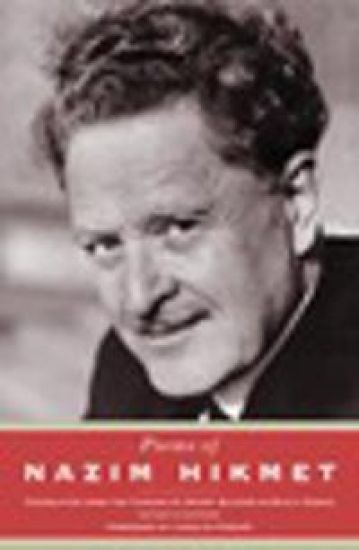
A centennial volume, with previously unavailable poems, by Turkey's greatest poet. Published in celebration of the poet's one hundredth birthday, this exciting edition of the poems of the Nazim Hikmet (1902-1963) collects work from his four previous selected volumes and adds more than twenty poems never before available in English. The Blasing/Konuk translations, acclaimed for the past quarter-century for their accuracy and grace, convey Hikmet's compassionate, accessible voice with the subtle music, innovative form, and emotional directness of the originals.
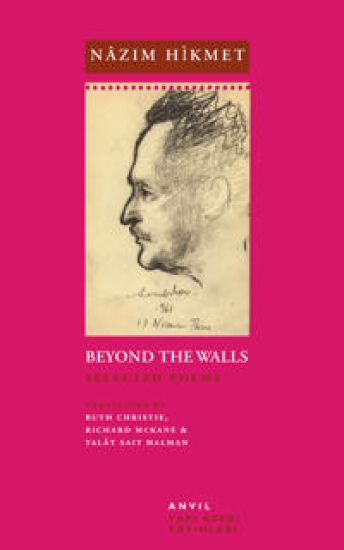
Nazim Hikmet's poetry combines passion and simplicity with sophistication, producing work of enduring significance. He was both a superb narrative and lyric poet; his immense and continuing popularity in Turkey testifies to his common touch. This extensive selection ranges from his epic poem 'Sheikh Bedreddin' to the moving prison poems addressed to his wife. The book is introduced by the leading expert on Turkish literature, Talat Sait Halman, former Professor of Turkish Literature at Princeton and New York Universities and currently at Bilkent University, Ankara.
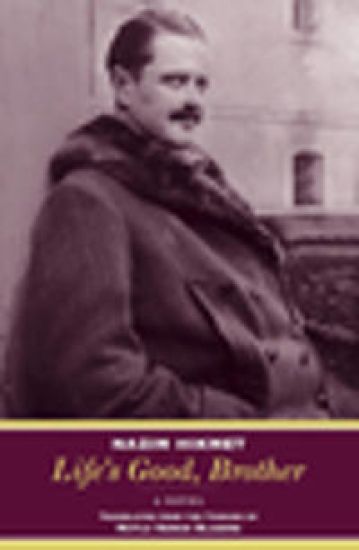
Hikmet's final book--an autobiographical novel about a man who is imprisoned for being a Communist, his friends, and the women he loved. Considered to be a major work in his oeuvre. This is the first publication in English translation.
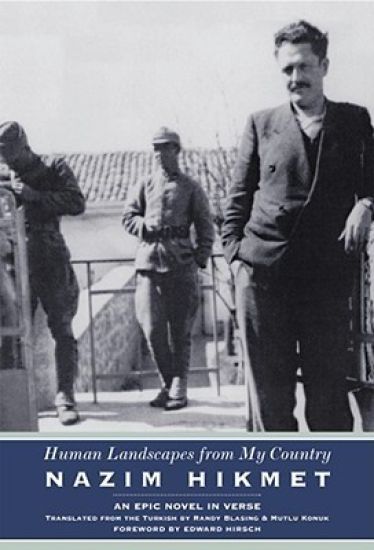
Written during the Second World War while Hikmet was serving a thirteen-year sentence as a political prisoner, his verse-novel uses cinematic techniques to tell the story of the emergence of secular, modern Turkey by focusing on the always-entertaining stories of sundry characters from all walks of life. As his vignettes flash before our eyes at movie-like speed, it becomes clear he is also telling the turbulent story of the twentieth century itself and the ongoing struggle between tradition, which trusts in God, and modernity, which entrusts the world to human hands.