

Kirjahaku
Etsi kirjoja tekijän nimen, kirjan nimen tai ISBN:n perusteella.
8 kirjaa tekijältä Neil Gibson

Line by Line: Scotland is an illustrated guide to the country’s railway, showcasing a collection of images captured over around twenty years. A celebration of both beautiful scenery and elegant engineering, it documents a variety of interesting rail traffic and will appeal to both local enthusiasts and those further afield. Featuring previously unpublished images that pay testament to Neil Gibson’s keen eye for a great shot, this is terrific record of the railways of Scotland.

Line by Line: Yorkshire is a pictorial guide to the county’s railway, showcasing a collection of images captured over several decades. A celebration of both beautiful scenery and elegant engineering, it documents a variety of interesting rail traffic and will appeal to both local enthusiasts and those from further afield. Featuring previously unpublished images that pay testament to Neil Gibson’s keen eye for a great shot, this is a terrific record of the railways of Yorkshire.

Line by Line: Cumbria is a pictorial guide to the county’s railway, showcasing a collection of images captured over several decades. A celebration of both beautiful scenery and elegant engineering, it documents a variety of interesting rail traffic and will appeal to both local enthusiasts and those further afield. Featuring previously unpublished images that pay testament to Neil Gibson’s keen eye for a great shot, this is terrific record of the railways of Cumbria.



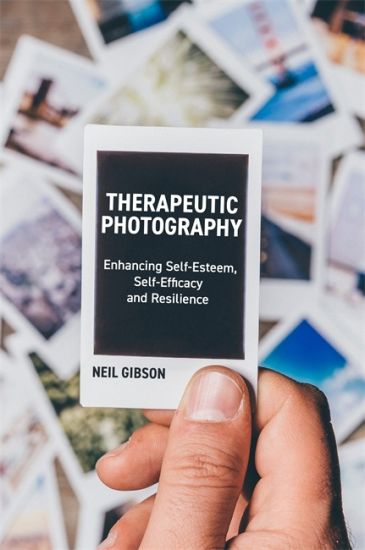
Therapeutic photography is an increasingly popular approach for increasing self-esteem, resilience and self-reliance in a wide range of people, including those with dementia, autism or mental health problems, school children and offenders. This book provides practical guidance on delivering therapeutic photography interventions and introduces the theory underpinning the approach.Each chapter describes a different element of therapeutic photography, including storytelling through photographs to discuss relationships and the use of self-portraits and selfies to explore identity. Exercises, reflection points and examples are provided throughout and a detailed case study shows the approaches described in the book used with a group of young adults on the autism spectrum. An adaptable programme is also included in the appendix.