Kirjojen hintavertailu. Mukana 11 244 527 kirjaa ja 12 kauppaa.

Kirjahaku

Etsi kirjoja tekijän nimen, kirjan nimen tai ISBN:n perusteella.

3 kirjaa tekijältä Neil Rennie

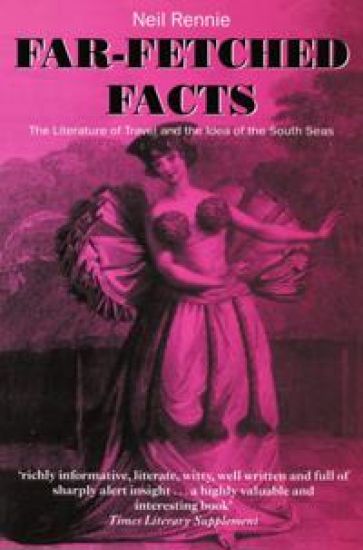
Far-Fetched Facts

Far-Fetched Facts

Neil Rennie

Clarendon Press
1998
nidottu
Far-Fetched Facts is an essay in the history of the literature of travel, real and imaginary, from classical times, via the early accounts of the New World, to the accounts of the South Sea islands that lay beyond. It follows continuities from the Odyssey to the twentieth century and traces the interplay of fact and fiction in a literature with a notorious tendency to deviate from the truth. The late medieval travels of the imaginary Mandeville and the real Marco Polo are explored, and the writings of Columbus as he struggled to reconcile what 'Mandeville' and Polo had written with what he found in the West Indies. The philosophical consequences of the discovery of the New World are followed in the works of Montaigne and Bacon, and the factual travels of Dampier are placed in relation to the fictional travels of Crusoe and Gulliver. The various accounts of the scientific voyages of Cook and Bougainville are examined and their revelation of a Tahiti more mythic than scientific, erotic as well as exotic. All the factual accounts of the mutiny on the Bounty are assessed, and also the fictions that came in its wake. The supposedly factual narrative that is Herman Melville's first novel is read in relation to other travellers' accounts of the South Seas, as are the factual and fictional writings of Loti, Stevenson, Malinowski, Mead, and the Hawaiian Visitors Bureau. Far-Fetched Facts is the first full account of the Western idea of the South Seas as it evolved from the lost paradises of biblical and classical literature to end in the false paradise found by the tourist.
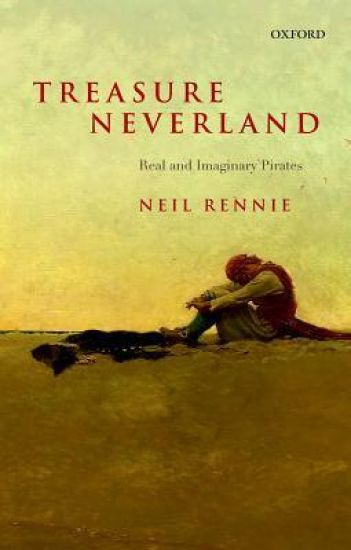
Treasure Neverland

Treasure Neverland

Neil Rennie

Oxford University Press
2016
nidottu
Treasure Neverland is about factual and fictional pirates. Swashbuckling eighteenth-century pirates were the ideal pirates of all time and tales of their exploits are still popular today. Most people have heard of Blackbeard and Captain Kidd even though they lived about three hundred years ago, but most have also heard of other pirates, such as Long John Silver and Captain Hook, even though these pirates never lived at all, except in literature. The differences between these two types of pirates - real and imaginary - are not quite as stark as we might think as the real, historical pirates are themselves somewhat legendary, somewhat fictional, belonging on the page and the stage rather than on the high seas. Based on extensive research of fascninating primary material, including testimonials, narratives, legal statements, colonial and mercantile records, Neil Rennie describes the ascertainable facts of real eighteenth-century pirate lives and then investigates how such facts were subsequently transformed artistically, by writers like Defoe and Stevenson, into realistic and fantastic fictions of various kinds: historical novels, popular melodramas, boyish adventures, Hollywood films. Rennie's aim is to watch, in other words, the long dissolve from Captain Kidd to Johnny Depp. There are surprisingly few scholarly studies of the factual pirates - properly analysing the basic manuscript sources and separating those documents from popular legends - and there are even fewer literary-historical studies of the whole crew of fictional pirates, although those imaginary pirates form a distinct and coherent literary tradition. Treasure Neverland is a study of this Scots-American literary tradition and also of the interrelations between the factual and fictional pirates - pirates who are intimately related, as the nineteenth-century writings about fictional pirates began with the eighteenth-century writings about supposedly real pirates. 'What I want is the best book about the Buccaneers', wrote Stevenson when he began Treasure Island in 1881. What he received, rightly, was indeed the best book: the sensational and unreliable History of the Pyrates (1724).
Treasure Neverland

Treasure Neverland

Neil Rennie

Oxford University Press
2013
sidottu
Treasure Neverland is about factual and fictional pirates. Swashbuckling eighteenth-century pirates were the ideal pirates of all time and tales of their exploits are still popular today. Most people have heard of Blackbeard and Captain Kidd even though they lived about three hundred years ago, but most have also heard of other pirates, such as Long John Silver and Captain Hook, even though these pirates never lived at all, except in literature. The differences between these two types of pirates - real and imaginary - are not quite as stark as we might think as the real, historical pirates are themselves somewhat legendary, somewhat fictional, belonging on the page and the stage rather than on the high seas. Based on extensive research of fascninating primary material, including testimonials, narratives, legal statements, colonial and mercantile records, Neil Rennie describes the ascertainable facts of real eighteenth-century pirate lives and then investigates how such facts were subsequently transformed artistically, by writers like Defoe and Stevenson, into realistic and fantastic fictions of various kinds: historical novels, popular melodramas, boyish adventures, Hollywood films. Rennie's aim is to watch, in other words, the long dissolve from Captain Kidd to Johnny Depp. There are surprisingly few scholarly studies of the factual pirates - properly analysing the basic manuscript sources and separating those documents from popular legends - and there are even fewer literary-historical studies of the whole crew of fictional pirates, although those imaginary pirates form a distinct and coherent literary tradition. Treasure Neverland is a study of this Scots-American literary tradition and also of the interrelations between the factual and fictional pirates - pirates who are intimately related, as the nineteenth-century writings about fictional pirates began with the eighteenth-century writings about supposedly real pirates. 'What I want is the best book about the Buccaneers', wrote Stevenson when he began Treasure Island in 1881. What he received, rightly, was indeed the best book: the sensational and unreliable History of the Pyrates (1724).