Kirjojen hintavertailu. Mukana 11 342 296 kirjaa ja 12 kauppaa.

Kirjahaku

Etsi kirjoja tekijän nimen, kirjan nimen tai ISBN:n perusteella.

4 kirjaa tekijältä Nicholas Taylor-Collins

Judge for Yourself

Judge for Yourself

Nicholas Taylor-Collins

Routledge
2020
nidottu
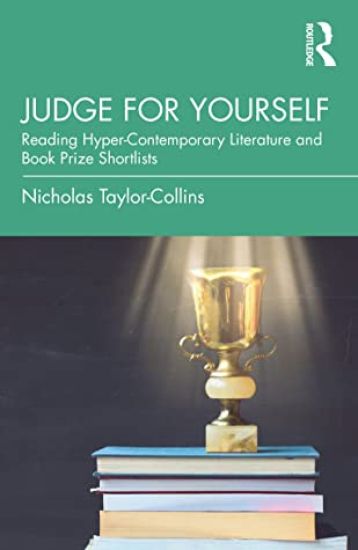
Judge for Yourself guides interested and advanced-level readers through the challenge of judging the quality of hyper-contemporary literature. Whether reading the latest bestseller or the book that everyone is recommending, Judge for Yourself guides you through the challenge of the text. Reading the longlist of the 2019 International Dylan Thomas Prize through five chapters, Judge for Yourself introduces readers to current critical debates that inform engagement and the reading experience of hyper-contemporary writing. Topics covered include feminism, postcolonialism, critical race theory, queer theory, class, and book reviews. Each chapter includes introductory questions for the reader, and Judge for Yourself is accompanied by an exploration of book prize culture and the challenge posed by hyper-contemporary literature. Judge for Yourself puts judging firmly in the hands of the reader, and not the academic or professional reviewers.
Judge for Yourself

Judge for Yourself

Nicholas Taylor-Collins

Routledge
2020
sidottu
Judge for Yourself guides interested and advanced-level readers through the challenge of judging the quality of hyper-contemporary literature. Whether reading the latest bestseller or the book that everyone is recommending, Judge for Yourself guides you through the challenge of the text. Reading the longlist of the 2019 International Dylan Thomas Prize through five chapters, Judge for Yourself introduces readers to current critical debates that inform engagement and the reading experience of hyper-contemporary writing. Topics covered include feminism, postcolonialism, critical race theory, queer theory, class, and book reviews. Each chapter includes introductory questions for the reader, and Judge for Yourself is accompanied by an exploration of book prize culture and the challenge posed by hyper-contemporary literature. Judge for Yourself puts judging firmly in the hands of the reader, and not the academic or professional reviewers.
Shakespeare, Memory, and Modern Irish Literature

Shakespeare, Memory, and Modern Irish Literature

Nicholas Taylor-Collins

MANCHESTER UNIVERSITY PRESS
2023
sidottu
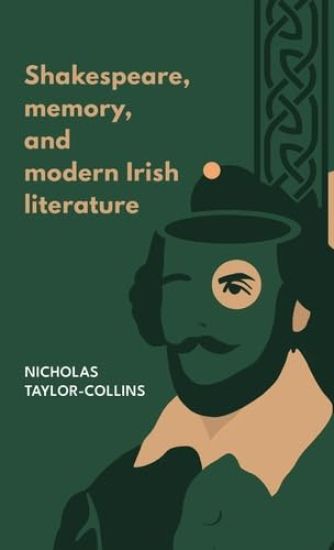
This original and innovative book proposes ‘dismemory’ as a new form of intertextual engagement with Shakespeare by modern and contemporary Irish writers. Through reflection on these canonical writers and ranging across thirteen Shakespeare plays, Taylor-Collins demonstrates how Irish writers who helped to fashion and critique the Irish nation state carry an indelible, if often subdued, mark of Shakespeare’s early modern English influence.The volume overall renews and revitalises the Shakespeare–modern Ireland connection: Taylor-Collins reveals Hamlet’s hauntological legacy in Playboy of the Western World, Ulysses, and Ghosts; how the corporal economies that exert pressure from Coriolanus and Ben Jonson flicker through to the antiheroes in Beckett’s Three Novels; and how the landed legacies of territorial contests in Shakespeare are engaged with in Yeats’s poetry, and similarly how the diseased muddiness in Hamlet is addressed by Heaney.
Shakespeare, Memory, and Modern Irish Literature

Shakespeare, Memory, and Modern Irish Literature

Nicholas Taylor-Collins

MANCHESTER UNIVERSITY PRESS
2026
nidottu
This original and innovative book proposes ‘dismemory’ as a new form of intertextual engagement with Shakespeare by modern and contemporary Irish writers. Through reflection on these canonical writers and ranging across thirteen Shakespeare plays, Taylor-Collins demonstrates how Irish writers who helped to fashion and critique the Irish nation state carry an indelible, if often subdued, mark of Shakespeare’s early modern English influence. The volume overall renews and revitalises the Shakespeare–modern Ireland connection: Taylor-Collins reveals Hamlet’s hauntological legacy in Playboy of the Western World, Ulysses, and Ghosts; how the corporal economies that exert pressure from Coriolanus and Ben Jonson flicker through to the antiheroes in Beckett’s Three Novels; and how the landed legacies of territorial contests in Shakespeare are engaged with in Yeats’s poetry, and similarly how the diseased muddiness in Hamlet is addressed by Heaney.