Kirjojen hintavertailu. Mukana 11 342 296 kirjaa ja 12 kauppaa.

Kirjahaku

Etsi kirjoja tekijän nimen, kirjan nimen tai ISBN:n perusteella.

5 kirjaa tekijältä Nicholas Tracy

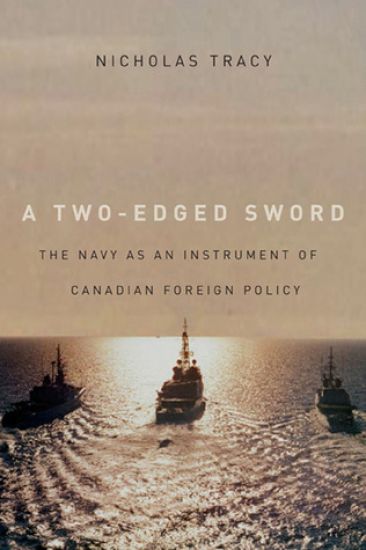
Britannia's Palette

Britannia's Palette

Nicholas Tracy

McGill-Queen's University Press
2007
sidottu
Britannia's Palette looks at the lives of British artists who witnessed the naval war against the French Republic and Empire between 1793 and 1815. This band of brothers, through their artistic and entrepreneurial efforts, established the images of the war at sea that were central to the understanding their contemporaries had of events - images that endure to this day. In this unprecedented book, Nicholas Tracy reveals the importance of the self-employed artist to the study of a nation at war. He includes lively accounts of serving officers, retired sailors, and academy-trained artists who, often under the threat of debtor's prison, struggled to balance the standards of art with the public desire for heroic, reassuring images. Containing over eighty illustrations, Britannia's Palette explores a varied and exciting collection of paintings that reveal the poignancy of the human experience of war.
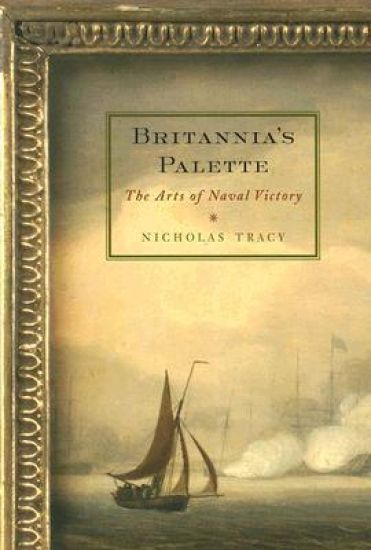
A Two-Edged Sword

A Two-Edged Sword

Nicholas Tracy

McGill-Queen's University Press
2012
sidottu
In the first major study of the Royal Canadian Navy's contribution to foreign policy, Nicholas Tracy takes a comprehensive look at the paradox that Canada faces in participating in a system of collective defence as a means of avoiding subordination to other countries. Created in 1910 to support Canadian autonomy, the Royal Canadian Navy has played an important role in defining Canada's relationship with the United Kingdom, the United States, and NATO. Initially involved with participation in Imperial and Commonwealth defence, the RCN's role shifted following the Second World War to primarily ensuring the survival of the NATO alliance and deflecting American influence over Canada. Tracy demonstrates the ways in which the Navy's priorities have realigned since the end of the Cold War, this time partnering with the US and NATO navies in global policing. Insightful, detailed, and grounded in solid historical scholarship, A Two-Edged Sword presents a complete portrait of the shifting relevance and future of a cornerstone of Canadian defence.
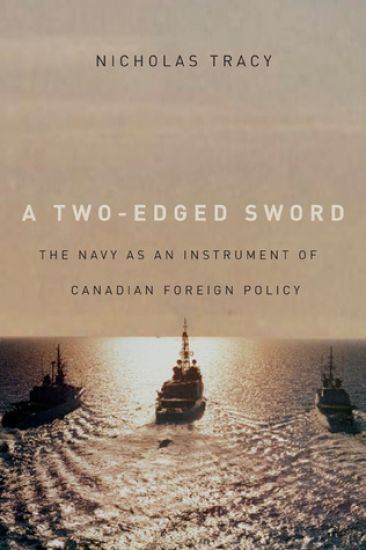
A Two-Edged Sword

A Two-Edged Sword

Nicholas Tracy

McGill-Queen's University Press
2013
nidottu
In the first major study of the Royal Canadian Navy's contribution to foreign policy, Nicholas Tracy takes a comprehensive look at the paradox that Canada faces in participating in a system of collective defence as a means of avoiding subordination to other countries. Created in 1910 to support Canadian autonomy, the Royal Canadian Navy has played an important role in defining Canada's relationship with the United Kingdom, the United States, and NATO. Initially involved with participation in Imperial and Commonwealth defence, the RCN's role shifted following the Second World War to primarily ensuring the survival of the NATO alliance and deflecting American influence over Canada. Tracy demonstrates the ways in which the Navy's priorities have realigned since the end of the Cold War, this time partnering with the US and NATO navies in global policing. Insightful, detailed, and grounded in solid historical scholarship, A Two-Edged Sword presents a complete portrait of the shifting relevance and future of a cornerstone of Canadian defence.
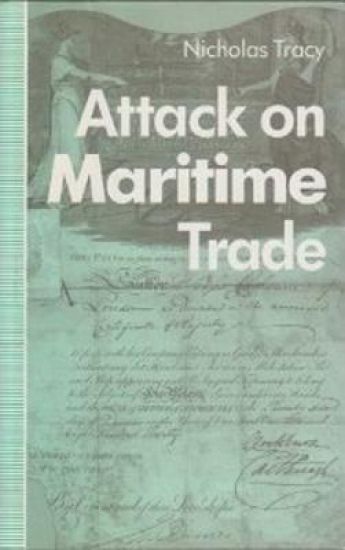
Attack on Maritime Trade

Attack on Maritime Trade

Nicholas Tracy

University of Toronto Press
1991
sidottu
One of the key functions of Canadian armed forces in the Gulf War was the naval enforcement of the trade embargo on Iraq. Such action has been considered a critical component of international affairs for centuries. In this study Nicholas Tracy considers the motives for attack on maritime trade, and assesses its strategic utility. He begins with a discussion of the strategic purposes of this kind of activity, and goes on to consider its applications in the twentieth century: during the First World War, through the Belligerents’ Rights dispute and the rise of the ‘New Mercantilism,’ in trade control between the wars, and on several fronts in the Second World War. Finally he examines instances of naval blockade and attack on shipping since 1945, and offers a number of conclusions about its effectiveness.
Manila Ransomed

Manila Ransomed

Nicholas Tracy

University of Exeter Press
1995
nidottu
In 1762, at the end of the Seven Years War, a small but technically proficient force of British Army regulars and East India Company soldiers, supported by the ships and men of the East Indies Squadron of the Royal Navy, sailed from Madras to capture Manila. Commanded by General William Draper and Vice-Admiral Samuel Cornish, they captured the greatest Spanish fortress in the western Pacific and attempted to establish a trade with China.