Kirjojen hintavertailu. Mukana 11 699 587 kirjaa ja 12 kauppaa.

Kirjahaku

Etsi kirjoja tekijän nimen, kirjan nimen tai ISBN:n perusteella.

4 kirjaa tekijältä Nicoleta Tipi

Supply Chain Analytics and Modelling

Supply Chain Analytics and Modelling

Nicoleta Tipi

Kogan Page Ltd
2021
nidottu
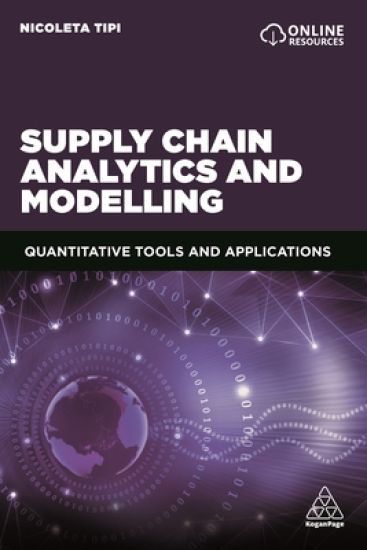
An incredible volume of data is generated at a very high speed within the supply chain and it is necessary to understand, use and effectively apply the knowledge learned from analyzing data using intelligent business models. However, practitioners and students in the field of supply chain management face a number of challenges when dealing with business models and mathematical modelling. Supply Chain Analytics and Modelling presents a range of business analytics models used within the supply chain to help readers develop knowledge on a variety of topics to overcome common issues. Supply Chain Analytics and Modelling covers areas including supply chain planning, single and multi-objective optimization, demand forecasting, product allocations, end-to-end supply chain simulation, vehicle routing and scheduling models. Learning is supported by case studies of specialist software packages for each example. Readers will also be provided with a critical view on how supply chain management performance measurement systems have been developed and supported by reliable and accurate data available in the supply chain. Online resources including lecturer slides are available.
Supply Chain Analytics and Modelling

Supply Chain Analytics and Modelling

Nicoleta Tipi

Kogan Page Ltd
2021
sidottu
An incredible volume of data is generated at a very high speed within the supply chain and it is necessary to understand, use and effectively apply the knowledge learned from analyzing data using intelligent business models. However, practitioners and students in the field of supply chain management face a number of challenges when dealing with business models and mathematical modelling. Supply Chain Analytics and Modelling presents a range of business analytics models used within the supply chain to help readers develop knowledge on a variety of topics to overcome common issues. Supply Chain Analytics and Modelling covers areas including supply chain planning, single and multi-objective optimization, demand forecasting, product allocations, end-to-end supply chain simulation, vehicle routing and scheduling models. Learning is supported by case studies of specialist software packages for each example. Readers will also be provided with a critical view on how supply chain management performance measurement systems have been developed and supported by reliable and accurate data available in the supply chain. Online resources including lecturer slides are available.
Supply Chain Analytics and Modelling

Supply Chain Analytics and Modelling

Nicoleta Tipi

KOGAN PAGE LTD
2025
nidottu
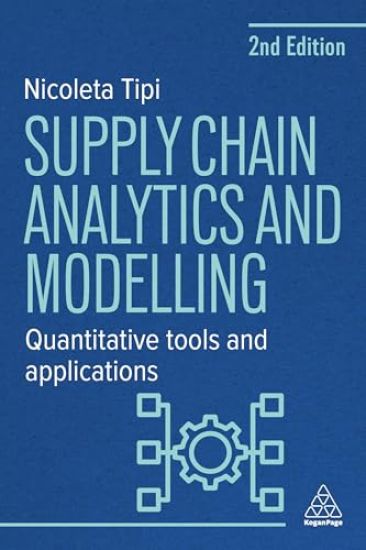
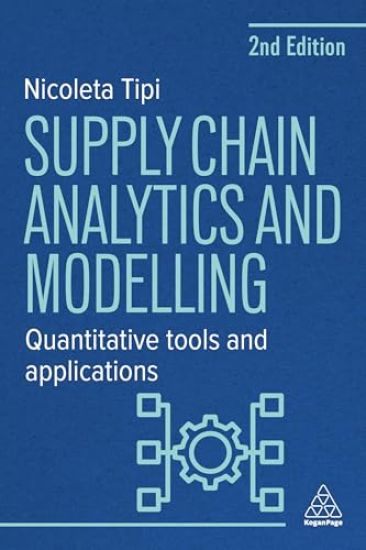
An incredible volume of data is generated at a very high speed within the supply chain and it is necessary to understand, use and effectively apply the knowledge learned from analyzing data using intelligent business models. Supply chain practitioners and students face a number of challenges when dealing with business models and mathematical modelling. Supply Chain Analytics and Modelling presents a range of business analytics models used within the supply chain to help readers develop the practical knowledge needed to overcome common issues. This new edition of Supply Chain Analytics and Modelling covers new areas including ongoing technological advancements like digital twins, machine learning, AI and the use of model simulation within the supply chain. Readers are also provided with a critical view on how supply chain management performance measurement systems have been developed and supported by reliable and accurate data available in the supply chain. Learning is supported by online resources that include lecturer slides and solved examples.
Supply Chain Analytics and Modelling

Supply Chain Analytics and Modelling

Nicoleta Tipi

KOGAN PAGE LTD
2025
sidottu
An incredible volume of data is generated at a very high speed within the supply chain and it is necessary to understand, use and effectively apply the knowledge learned from analyzing data using intelligent business models. Supply chain practitioners and students face a number of challenges when dealing with business models and mathematical modelling. Supply Chain Analytics and Modelling presents a range of business analytics models used within the supply chain to help readers develop the practical knowledge needed to overcome common issues. This new edition of Supply Chain Analytics and Modelling covers new areas including ongoing technological advancements like digital twins, machine learning, AI and the use of model simulation within the supply chain. Readers are also provided with a critical view on how supply chain management performance measurement systems have been developed and supported by reliable and accurate data available in the supply chain. Learning is supported by online resources that include lecturer slides and solved examples.