Kirjojen hintavertailu. Mukana 11 342 621 kirjaa ja 12 kauppaa.

Kirjahaku

Etsi kirjoja tekijän nimen, kirjan nimen tai ISBN:n perusteella.

17 kirjaa tekijältä Nigel Biggar

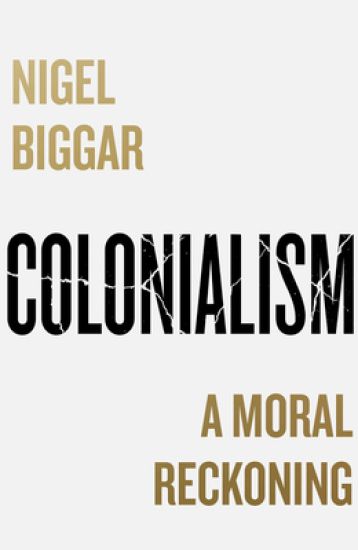
Colonialism

Colonialism

Nigel Biggar

HARPERCOLLINS PUBLISHERS
2023
sidottu
A new assessment of the West’s colonial record In the wake of the dissolution of the Soviet empire in 1989, many believed that we had arrived at the ‘End of History’ – that the global dominance of liberal democracy had been secured forever. Now however, with Russia rattling its sabre on the borders of Europe and China rising to challenge the post-1945 world order, the liberal West faces major threats. These threats are not only external. Especially in the Anglosphere, the ‘decolonisation’ movement corrodes the West’s self-confidence by retelling the history of European and American colonial dominance as a litany of racism, exploitation, and massively murderous violence. Nigel Biggar tests this indictment, addressing the crucial questions in eight chapters: Was the British Empire driven primarily by greed and the lust to dominate? Should we speak of ‘colonialism and slavery’ in the same breath, as if they were identical? Was the Empire essentially racist? How far was it based on the theft of land? Did it involve genocide? Was it driven fundamentally by the motive of economic exploitation? Was undemocratic colonial government necessarily illegitimate? and, Was the Empire essentially violent, and its violence pervasively racist and terroristic? Biggar makes clear that, like any other long-standing state, the British Empire involved elements of injustice, sometimes appalling. On occasions it was culpably incompetent and presided over moments of dreadful tragedy. Nevertheless, from the early 1800s the Empire was committed to abolishing the slave trade in the name of a Christian conviction of the basic equality of all human beings. It ended endemic inter-tribal warfare, opened local economies to the opportunities of global trade, moderated the impact of inescapable modernisation, established the rule of law and liberal institutions such as a free press, and spent itself in defeating the murderously racist Nazi and Japanese empires in the Second World War. As encyclopaedic in historical breadth as it is penetrating in analytical depth, Colonialism offers a moral inquest into the colonial past, forensically contesting damaging falsehoods and thereby helping to rejuvenate faith in the West’s future.
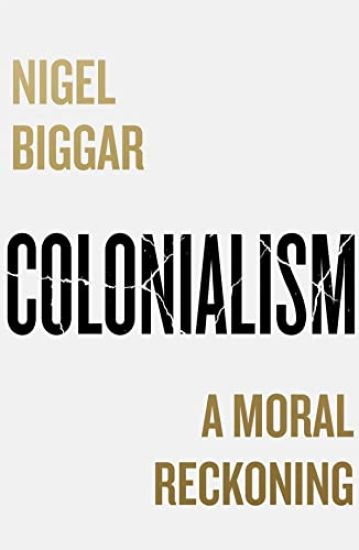
Colonialism

Colonialism

Nigel Biggar

HARPERCOLLINS PUBLISHERS
2023
nidottu
The Sunday Times BestsellerA new assessment of the West's colonial recordIn the wake of the dissolution of the Soviet empire in 1989, many believed that we had arrived at the 'End of History' - that the global dominance of liberal democracy had been secured forever.
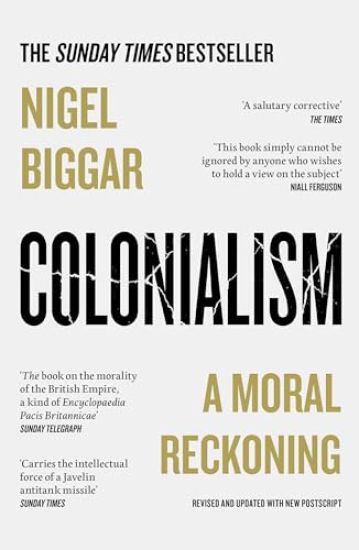
Colonialism

Colonialism

Nigel Biggar

HARPERCOLLINS PUBLISHERS
2024
nidottu
The Sunday Times Bestseller A new assessment of the West’s colonial record In the wake of the dissolution of the Soviet empire in 1989, many believed that we had arrived at the ‘End of History’ – that the global dominance of liberal democracy had been secured forever. Now however, with Russia rattling its sabre on the borders of Europe and China rising to challenge the post-1945 world order, the liberal West faces major threats. These threats are not only external. Especially in the Anglosphere, the ‘decolonisation’ movement corrodes the West’s self-confidence by retelling the history of European and American colonial dominance as a litany of racism, exploitation, and massively murderous violence. Nigel Biggar tests this indictment, addressing the crucial questions in eight chapters: Was the British Empire driven primarily by greed and the lust to dominate? Should we speak of ‘colonialism and slavery’ in the same breath, as if they were identical? Was the Empire essentially racist? How far was it based on the theft of land? Did it involve genocide? Was it driven fundamentally by the motive of economic exploitation? Was undemocratic colonial government necessarily illegitimate? and, Was the Empire essentially violent, and its violence pervasively racist and terroristic? Biggar makes clear that, like any other long-standing state, the British Empire involved elements of injustice, sometimes appalling. On occasions it was culpably incompetent and presided over moments of dreadful tragedy. Nevertheless, from the early 1800s the Empire was committed to abolishing the slave trade in the name of a Christian conviction of the basic equality of all human beings. It ended endemic inter-tribal warfare, opened local economies to the opportunities of global trade, moderated the impact of inescapable modernisation, established the rule of law and liberal institutions such as a free press, and spent itself in defeating the murderously racist Nazi and Japanese empires in the Second World War. As encyclopaedic in historical breadth as it is penetrating in analytical depth, Colonialism offers a moral inquest into the colonial past, forensically contesting damaging falsehoods and thereby helping to rejuvenate faith in the West’s future.
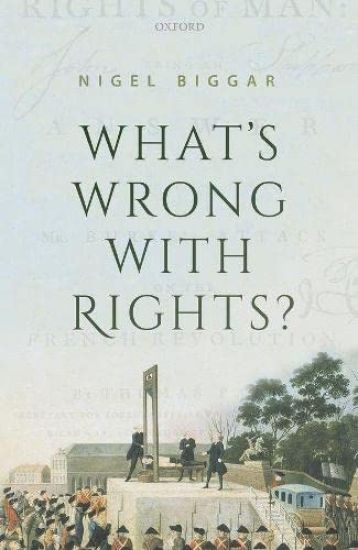
What's Wrong with Rights?

What's Wrong with Rights?

Nigel Biggar

Oxford University Press
2022
nidottu
Are natural rights 'nonsense on stilts', as Jeremy Bentham memorably put it? Must the very notion of a right be individualistic, subverting the common good? Should the right against torture be absolute, even though the heavens fall? Are human rights universal or merely expressions of Western neo-imperial arrogance? Are rights ethically fundamental, proudly impervious to changing circumstances? Should judges strive to extend the reach of rights from civil Hamburg to anarchical Basra? Should judicial oligarchies, rather than legislatures, decide controversial ethical issues by inventing novel rights? Ought human rights advocates learn greater sympathy for the dilemmas facing those burdened with government? These are the questions that What's Wrong with Rights? addresses. In doing so, it draws upon resources in intellectual history, legal philosophy, moral philosophy, moral theology, human rights literature, and the judgments of courts. It ranges from debates about property in medieval Christendom, through Confucian rights-scepticism, to contemporary discussions about the remedy for global hunger and the justification of killing. And it straddles assisted dying in Canada, the military occupation of Iraq, and genocide in Rwanda. What's Wrong with Rights? concludes that much contemporary rights-talk obscures the importance of fostering civic virtue, corrodes military effectiveness, subverts the democratic legitimacy of law, proliferates publicly onerous rights, and undermines their authority and credibility. The solution to these problems lies in the abandonment of rights-fundamentalism and the recovery of a richer public discourse about ethics, one that includes talk about the duty and virtue of rights-holders.
The Hastening that Waits

The Hastening that Waits

Nigel Biggar

Clarendon Press
1995
nidottu
A fresh and up-to-date account of the ethical thought of one of the twentieth century's greatest theologians, Karl Barth. Dr Biggar recovers Barth's ethics from some widespread misunderstandings, and goes on to relate Barth's ideas to many of the central issues debated in contemporary Christian ethics - including the concept of human freedom and of created moral order; moral norms and their relation to individual vocation; the relative ethnical roles of the Bible, the Church, philosophy, and empirical science; moral character and its formation; and the problem of war.
The Hastening that Waits

The Hastening that Waits

Nigel Biggar

Clarendon Press
1993
sidottu
This book offers a fresh and up-to-date account of the ethical thought of one of the twentieth century's greatest theologians: Karl Barth. In it, the author seeks to recover Barth's ethics from some widespread misunderstandings, and also presents a picture of it as a whole. Drawing on recently published sources, Dr Biggar construes the ethics of the Church Dogmatics as it might have been had Barth lived to complete it. However, The Hastening that Waits is more than apology and description. For it recommends to contemporary Christian ethics the theological rigour with which Barth expounds the good life in terms of the living presence of God-in-Christ to his creatures; his conception of right human action as that which is able to hasten in the service of humanity precisely by waiting prayerfully upon God; and his discriminate openness to moral wisdom outside the Christian church. Among particular topics treated are: the concept of human freedom and of created moral order; moral norms and their relation to individual vocation; the relative ethical roles of the Bible, the Church, philosophy, and empirical science; moral character and its formation; and the problem of war.
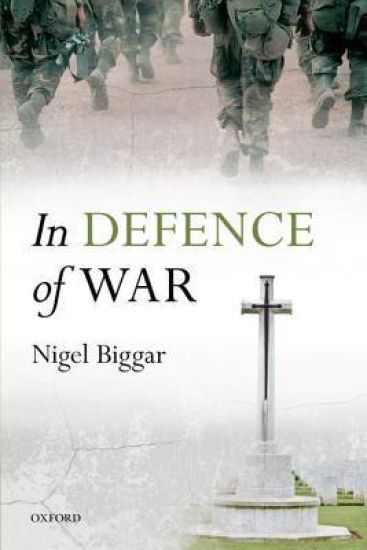
In Defence of War

In Defence of War

Nigel Biggar

Oxford University Press
2014
nidottu
Pacifism is popular. Many hold that war is unnecessary, since peaceful means of resolving conflict are always available, if only we had the will to look for them. Or they believe that war is wicked, essentially involving hatred of the enemy and carelessness of human life. Or they posit the absolute right of innocent individuals not to be deliberately killed, making it impossible to justify war in practice. Peace, however, is not simple. Peace for some can leave others at peace to perpetrate mass atrocity. What was peace for the West in 1994 was not peace for the Tutsis of Rwanda. Therefore, against the virus of wishful thinking, anti-military caricature, and the domination of moral deliberation by rights-talk In Defence of War asserts that belligerency can be morally justified, even though tragic and morally flawed.
What's Wrong with Rights?

What's Wrong with Rights?

Nigel Biggar

Oxford University Press
2020
sidottu
Are natural rights 'nonsense on stilts', as Jeremy Bentham memorably put it? Must the very notion of a right be individualistic, subverting the common good? Should the right against torture be absolute, even though the heavens fall? Are human rights universal or merely expressions of Western neo-imperial arrogance? Are rights ethically fundamental, proudly impervious to changing circumstances? Should judges strive to extend the reach of rights from civil Hamburg to anarchical Basra? Should judicial oligarchies, rather than legislatures, decide controversial ethical issues by inventing novel rights? Ought human rights advocates learn greater sympathy for the dilemmas facing those burdened with government? These are the questions that What's Wrong with Rights? addresses. In doing so, it draws upon resources in intellectual history, legal philosophy, moral philosophy, moral theology, human rights literature, and the judgments of courts. It ranges from debates about property in medieval Christendom, through Confucian rights-scepticism, to contemporary discussions about the remedy for global hunger and the justification of killing. And it straddles assisted dying in Canada, the military occupation of Iraq, and genocide in Rwanda. What's Wrong with Rights? concludes that much contemporary rights-talk obscures the importance of fostering civic virtue, corrodes military effectiveness, subverts the democratic legitimacy of law, proliferates publicly onerous rights, and undermines their authority and credibility. The solution to these problems lies in the abandonment of rights-fundamentalism and the recovery of a richer public discourse about ethics, one that includes talk about the duty and virtue of rights-holders.
In Defence of War

In Defence of War

Nigel Biggar

Oxford University Press
2013
sidottu
Pacifism is popular. Many hold that war is unnecessary, since peaceful means of resolving conflict are always available, if only we had the will to look for them. Or they believe that war is wicked, essentially involving hatred of the enemy and carelessness of human life. Or they posit the absolute right of innocent individuals not to be deliberately killed, making it impossible to justify war in practice. Peace, however, is not simple. Peace for some can leave others at peace to perpetrate mass atrocity. What was peace for the West in 1994 was not peace for the Tutsis of Rwanda. Therefore, against the virus of wishful thinking, anti-military caricature, and the domination of moral deliberation by rights-talk In Defence of War asserts that belligerency can be morally justified, even though tragic and morally flawed. Recovering the Christian tradition of reflection running from Augustine to Grotius, this book affirms aggressive war in punishment of grave injustice. Morally realistic in adhering to universal moral principles, it recognises that morality can trump legality, justifying military intervention even in transgression of positive international law-as in the case of Kosovo. Less cynical and more empirically realistic about human nature than Hobbes, it holds that nations desire to be morally virtuous and right, and not only to be safe and fat. And aspiring to practical realism, it argues that love and the doctrine of double effect can survive combat; and that the constraints of proportionality, while real, are nevertheless sufficiently permissive to encompass Britain's belligerency in 1914-18. Finally, in a painstaking analysis of the Iraq invasion of 2003, In Defence of War culminates in an account of how the various criteria of just war should be thought together. It also concludes that, all things considered, the invasion was justified.
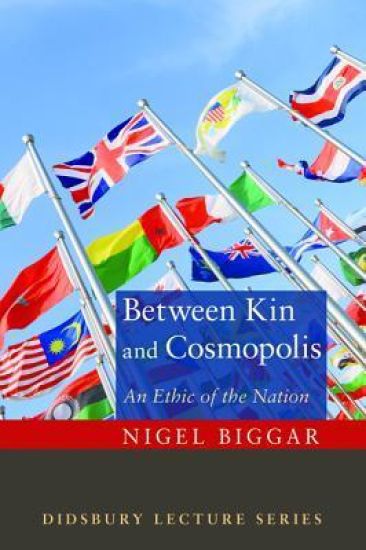
Between Kin and Cosmopolis

Between Kin and Cosmopolis

Nigel Biggar

James Clarke Co Ltd
2014
nidottu
The nation-state is here to stay. Thirty years ago it was fashionable to predict its imminent demise, but the sudden break-up of the Soviet Union in the 1990s unshackled long-repressed nationalisms and generated a host of new states. The closer integration of the European Union has given intra-national nationalisms a new lease of life, confirming the viability of small nation-states under a supra-national umbrella - after all, if Ireland and Iceland, then why not Scotland and Catalonia? And then the world stage has seen new and powerful national players moving from the wings to the centre: China, India, and Brazil are full of a sense of growing into their own national destinies and are in no mood either to dissolve into, or to defer to, some larger body. Nations, nationalisms, and nation-states are persistent facts, but what should we think of them morally? Surely humanity, not a nation, should claim our loyalty? How can it be right to exclude foreigners by policing borders? Can a liberal nation-state thrive without a cohering public orthodoxy? Does national sovereignty confer immunity? Is national separatism always justified? These are urgent questions. Between Kin and Cosmopolis offers timely Christian answers.
Aiming to Kill

Aiming to Kill

Nigel Biggar

Darton,Longman Todd Ltd
2003
nidottu
Controversy about the morality of euthanasia and assisted suicide and their legalisation has been running for over a generation, and it shows no sign of flagging. The main arguments for and against are widely familiar, yet the horizon yields no sign of any approaching resolution. Progress can still be made by careful examination of the opposing fronts and that is the service that this book performs. Drawing ecumenically on both theological and philosophical resources, it pioneers an original way to a mature judgement by tackling the three basic questions that the debate raises: What is it that makes human life valuable? Can it ever be moral to intend to kill someone? And how much should we fear the wider, social effects of legalising euthanasia or assisted suicide?
Behaving in Public

Behaving in Public

Nigel Biggar

William B Eerdmans Publishing Co
2011
nidottu
Opens up a way forward for Christian ethics in the public sphere Too often, says Nigel Biggar, contemporary Christian ethics poses a false choice -- either -conservative- theological integrity or -liberal- secular consensus. Behaving in Public explains both why and how Christians should resist these polar options. Informed by a frankly Christian theological vision of moral life and so turning toward the world with openness and curiosity, Biggar's succinct argument charts a third way forward.
Reparations

Reparations

Nigel Biggar

Swift Press
2025
sidottu
Many people and countries now claim that the West should pay reparations to its former colonies for the economic damages they say they caused. To what extent is the argument about damage correct in the first place? And, if it is correct, what should we now do about it? Reparations is the sequel to Nigel Biggar's bestselling and widely acclaimed Colonialism. It is as a book of significant importance – not least as a study of the psychology of guilt.
The New Dark Age

The New Dark Age

Nigel Biggar

JOHN WILEY AND SONS LTD
2026
sidottu
In an increasingly polarised age, culture wars are everywhere. They are often criticised as superficial or confected disagreements designed to distract us from more important issues. Is this true, or are they rather more fundamental than that? In this thoughtful and passionate intervention, renowned theologian and moral philosopher Nigel Biggar argues that 'culture wars' are in fact political and moral debates that cut to the very quick of some of the most substantial questions of our time, ranging from the welfare of children to the way we conceive and manage ethnic and cultural differences in diverse societies. The fact that these debates are so often characterised by bad faith, dishonesty and mindless abuse exposes the rot at the heart of the intellectual culture of the west, both in universities, the media and beyond. An authoritarian desire to suppress or smear opponents and exercise the power of intimidation and coercion is a dramatic illustration of a dangerous reality: our fragile and valuable liberal culture of rational truth-seeking and good faith civility is under threat. A new dark age looms. Mixing first-hand experience with broad ethical, political and cultural reflection, this is a powerful and erudite polemic from one of our most respected thinkers. No-one interested in the future of western civilization can afford to miss it.