Kirjojen hintavertailu. Mukana 11 690 325 kirjaa ja 12 kauppaa.

Kirjahaku

Etsi kirjoja tekijän nimen, kirjan nimen tai ISBN:n perusteella.

5 kirjaa tekijältä Nigel Dower

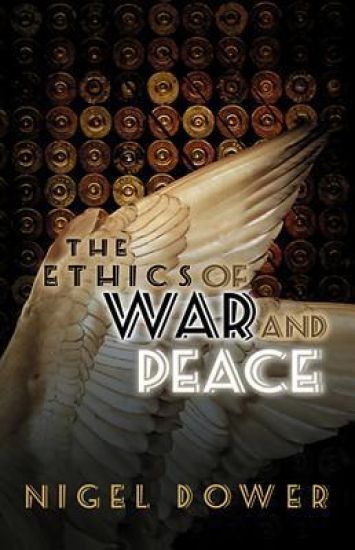
The Ethics of War and Peace

The Ethics of War and Peace

Nigel Dower

Polity Press
2009
sidottu
This book presents a clear and comprehensive introduction to the diverse and wide-ranging ethical aspects of war and peace. In a fair-minded and engaging analysis, Nigel Dower introduces the different ethical theories in traditional and contemporary debates – realism, just war theory and pacifism – and subjects each to detailed critical scrutiny. He frames these debates within a related but distinct framework of three approaches to international relations, namely skeptical realism, internationalism and cosmopolitanism. The book also identifies and evaluates two further important perspectives, militarism and pacificism. Whilst analyzing the advantages and disadvantages of the different outlooks, Dower makes a strong case for a cosmopolitan pacificist position, arguing that we need to see peace in more positive terms than merely the absence of war. The book uses a wide range of examples from across the world and includes discussion of nuclear weapons, new wars, terrorism, humanitarian intervention and human security. Written as a textbook for students who have no prior knowledge of philosophical ethics, The Ethics of War and Peace is designed to help students understand and see the relevance of how a professional philosopher can engage ethically with the world. Each chapter contains a helpful survey of its contents at the beginning and a set of questions for individual reflection or group discussion at the end. This book will be essential reading for students of security studies, conflict resolution, peace studies, philosophy and political theory and anyone interested in the ethical questions which arise from the study of war and peace.
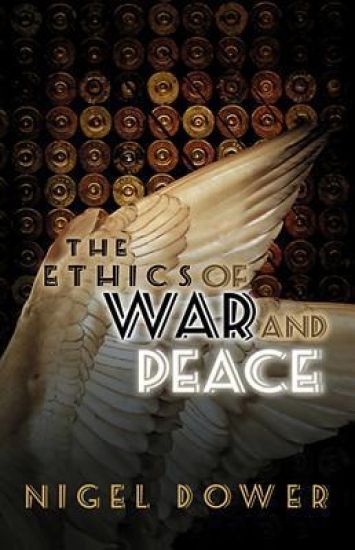
The Ethics of War and Peace

The Ethics of War and Peace

Nigel Dower

Polity Press
2009
nidottu
This book presents a clear and comprehensive introduction to the diverse and wide-ranging ethical aspects of war and peace. In a fair-minded and engaging analysis, Nigel Dower introduces the different ethical theories in traditional and contemporary debates ? realism, just war theory and pacifism ? and subjects each to detailed critical scrutiny. He frames these debates within a related but distinct framework of three approaches to international relations, namely skeptical realism, internationalism and cosmopolitanism. The book also identifies and evaluates two further important perspectives, militarism and pacificism. Whilst analyzing the advantages and disadvantages of the different outlooks, Dower makes a strong case for a cosmopolitan pacificist position, arguing that we need to see peace in more positive terms than merely the absence of war. The book uses a wide range of examples from across the world and includes discussion of nuclear weapons, new wars, terrorism, humanitarian intervention and human security. Written as a textbook for students who have no prior knowledge of philosophical ethics, The Ethics of War and Peace is designed to help students understand and see the relevance of how a professional philosopher can engage ethically with the world. Each chapter contains a helpful survey of its contents at the beginning and a set of questions for individual reflection or group discussion at the end. This book will be essential reading for students of security studies, conflict resolution, peace studies, philosophy and political theory and anyone interested in the ethical questions which arise from the study of war and peace.

An Introduction to Global Citizenship

An Introduction to Global Citizenship

Nigel Dower

Edinburgh University Press
2003
nidottu
In this short textbook introduction to the idea of Global Citizenship, Nigel Dower examines the arguments from ethical, social and political theory for and against the view that we are global citizens. The discussion is set in its historical context but the main emphasis is on the idea of global citizenship as a cultural process, and its application in the modern world. The book is divided into three parts - the Framework, which explores the historical context and the ethical and institutional aspects of the concept of global citizenship; Applications, covering key areas of current global concern, including the environment, aid and poverty elimination, human rights, peace, and global governance; and Theoretical Issues, which explores the arguments for and against global citizenship in more depth. Key Features: * Includes a glossary of key terms * Covers ethical, social and political theory * Includes chapters on the environment, aid and poverty, human rights, peace, and global governance * Addresses key issues in contemporary political and international studies * Places issues surrounding September 11th in context of Global Citizenship * Covers role of the UN; anti-globalisation campaigns (e.g. in Genoa); corporate global citizenship; Oxfam; Amnesty International; Jubilee 2000 Assuming no prior knowledge of the area, this is an ideal introduction for anyone interested in the idea of global citizenship.
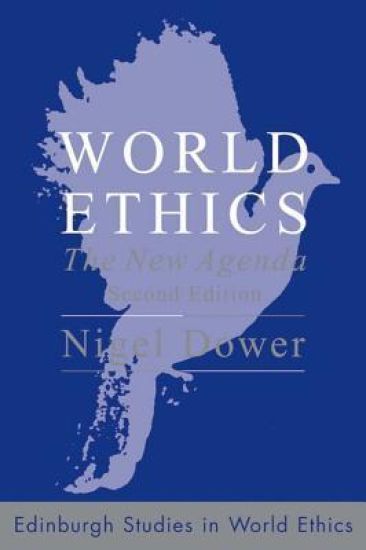
World Ethics

World Ethics

Nigel Dower

Edinburgh University Press
2007
sidottu
World Ethics: The New Agenda identifies different ways of thinking about ethics, and of thinking ethically about international and global relations. It also considers several theories of world ethics in the context of issues such as war and peace, world poverty, the environment and the United Nations. Key Features: * Rejects the idea of international scepticism and the 'morality of states' * Demonstrates the distinction between a global ethic as a theory and as social reality * Defends the claim that we are world citizens with global duties The second edition has been substantially revised to take account of recent global developments. The discussion is grounded in an awareness of the post-9/11 world in which we live and offers a more detailed exploration of the idea of global citizenship and a global or cosmopolitan ethic. There are new sections on terrorism and security and on global justice, and additional material on issues such as climate change, internationalist ethics, the ethics of war, sustainability, development, globalisation, global civil society and global governance. Each chapter now has a summary box at the beginning and a set of questions for discussion at the end.
World Ethics

World Ethics

Nigel Dower

Edinburgh University Press
2007
nidottu
World Ethics: The New Agenda identifies different ways of thinking about ethics, and of thinking ethically about international and global relations. It also considers several theories of world ethics in the context of issues such as war and peace, world poverty, the environment and the United Nations. Key Features: * Rejects the idea of international scepticism and the 'morality of states' * Demonstrates the distinction between a global ethic as a theory and as social reality * Defends the claim that we are world citizens with global duties The second edition has been substantially revised to take account of recent global developments. The discussion is grounded in an awareness of the post-9/11 world in which we live and offers a more detailed exploration of the idea of global citizenship and a global or cosmopolitan ethic. There are new sections on terrorism and security and on global justice, and additional material on issues such as climate change, internationalist ethics, the ethics of war, sustainability, development, globalisation, global civil society and global governance. Each chapter now has a summary box at the beginning and a set of questions for discussion at the end.