Kirjojen hintavertailu. Mukana 12 016 292 kirjaa ja 12 kauppaa.

Kirjahaku

Etsi kirjoja tekijän nimen, kirjan nimen tai ISBN:n perusteella.

6 kirjaa tekijältä Nigel Dudley

Why Biodiversity Matters

Why Biodiversity Matters

Nigel Dudley

TAYLOR FRANCIS LTD
2023
sidottu
All life on Earth has the right to exist, but as we teeter on the verge of a sixth extinction this book discusses why biodiversity matters and why we should care if species go extinct.We are witnessing the largest and fastest rate of extinction in the history of the planet. While the concept of rights is a human one, all plants and animals strive to survive, and this book argues for their rights to continue doing so without being driven into premature extinction by human actions. Acknowledging and describing the practical reasons for conserving biodiversity, this book argues that these should not overshadow the compelling ethical reasons to care about the future of species other than our own. However, the issues are complex. What do we do when faced with an immediate ethical choice where biodiversity rights, animal rights, human rights, economic development and ecosystem survival all get mixed up together? There are seldom hard and fast answers, but thinking about and understanding a variety of points of view will help us make informed trade-offs. Drawing on his vast practical experience, the author presents insightful perspectives and real-world examples with the hope that this book will instigate a much-needed rethink about why and how we practise conservation.This book is essential reading for all those concerned with sustaining our planet, and all who inhabit it, in the face of climate breakdown, biodiversity loss and ecological collapse.
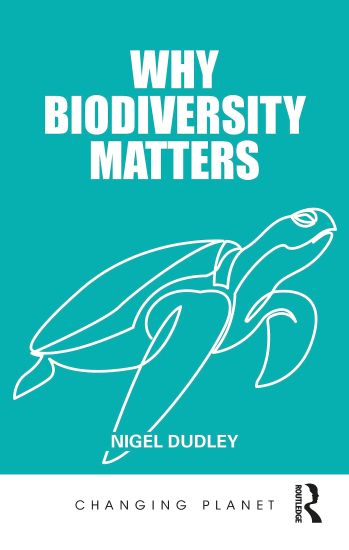
Why Biodiversity Matters

Why Biodiversity Matters

Nigel Dudley

TAYLOR FRANCIS LTD
2023
nidottu
All life on Earth has the right to exist, but as we teeter on the verge of a sixth extinction this book discusses why biodiversity matters and why we should care if species go extinct.We are witnessing the largest and fastest rate of extinction in the history of the planet. While the concept of rights is a human one, all plants and animals strive to survive, and this book argues for their rights to continue doing so without being driven into premature extinction by human actions. Acknowledging and describing the practical reasons for conserving biodiversity, this book argues that these should not overshadow the compelling ethical reasons to care about the future of species other than our own. However, the issues are complex. What do we do when faced with an immediate ethical choice where biodiversity rights, animal rights, human rights, economic development and ecosystem survival all get mixed up together? There are seldom hard and fast answers, but thinking about and understanding a variety of points of view will help us make informed trade-offs. Drawing on his vast practical experience, the author presents insightful perspectives and real-world examples with the hope that this book will instigate a much-needed rethink about why and how we practise conservation.This book is essential reading for all those concerned with sustaining our planet, and all who inhabit it, in the face of climate breakdown, biodiversity loss and ecological collapse.
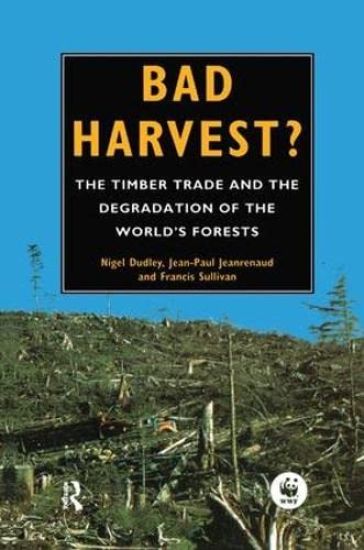
Bad Harvest

Bad Harvest

Nigel Dudley

Routledge
2017
sidottu
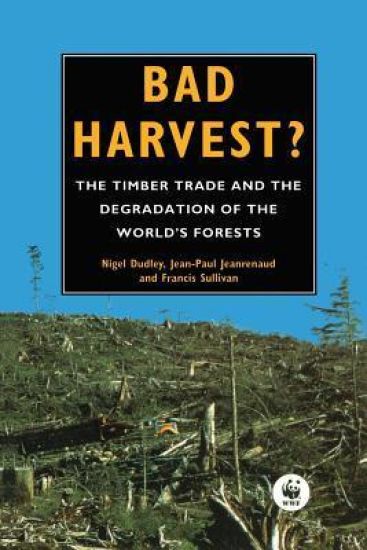
The world's forests are disappearing at an alarming rate, and with disastrous consequences. Demand for wood and paper products ranks high amongst the causes of deforestation and forest degradation, and is now the major cause of loss in those forests richest in wildlife. There is a great deal to be done to improve the timber industry before our forests are safely and sustainably managed. Bad Harvest presents an incisive account of the role that the timber trade has played in the loss and degradation of forests around the world. It examines the environmental consequences of the trade on boreal, temporal and tropical regions, and its impacts for local people working and living in the forests. It also looks at the changing nature of the trade, and assesses current national and international initiatives to address the impacts of deforestation. Finally, the authors show how things could be improved in the future, by presenting a new strategy for sustainable forest management. Based on 15 years of extensive research - particularly work carried out by the World Wide Fund for Nature - Bad Harvest is essential reading on the subject; not only for environmentalists, but also for those in the timber trade seeking to improve the management and reputation of their product.
Authenticity in Nature

Authenticity in Nature

Nigel Dudley

Earthscan Ltd
2011
sidottu
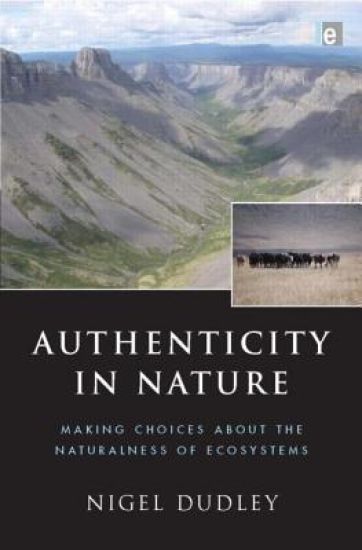
This book examines the concept of naturalness in ecosystems, discusses its values and considers choices about the level of naturalness in conservation efforts. The author argues that all ecosystems have been modified and the idea of places 'untouched by humans' is a myth. But there are large differences in the degree of modification and levels of naturalness which can be identified. Changes are not always irreversible; some apparent wilderness areas are sites of former civilizations. There is no longer any simple distinction possible between 'natural' and 'cultural' systems. In the future, society will, to some extent, choose the degree of naturalness in land and seascapes. The growth of protected areas is an early sign of this, as are changes in forest management, dam removal and control of invasive species. To make informed choices about these areas, the author shows that we must understand the characteristics and values of naturally regulating ecosystems – their practical benefits, social values and management needs. Authenticity in Nature uses a rigorous definition of authenticity to help in the understanding and measurement of naturalness. It discusses the choices facing us and some of the information we need to make decisions relating to land and water management. Practical issues of management and numerous terrestrial and aquatic examples from around the world are discussed. It is an optimistic and highly original book, aiming to make genuine advances in our understanding and management of natural systems.
Authenticity in Nature

Authenticity in Nature

Nigel Dudley

Earthscan Ltd
2011
nidottu
This book examines the concept of naturalness in ecosystems, discusses its values and considers choices about the level of naturalness in conservation efforts. The author argues that all ecosystems have been modified and the idea of places 'untouched by humans' is a myth. But there are large differences in the degree of modification and levels of naturalness which can be identified. Changes are not always irreversible; some apparent wilderness areas are sites of former civilizations. There is no longer any simple distinction possible between 'natural' and 'cultural' systems. In the future, society will, to some extent, choose the degree of naturalness in land and seascapes. The growth of protected areas is an early sign of this, as are changes in forest management, dam removal and control of invasive species. To make informed choices about these areas, the author shows that we must understand the characteristics and values of naturally regulating ecosystems – their practical benefits, social values and management needs. Authenticity in Nature uses a rigorous definition of authenticity to help in the understanding and measurement of naturalness. It discusses the choices facing us and some of the information we need to make decisions relating to land and water management. Practical issues of management and numerous terrestrial and aquatic examples from around the world are discussed. It is an optimistic and highly original book, aiming to make genuine advances in our understanding and management of natural systems.
Bad Harvest

Bad Harvest

Nigel Dudley

Earthscan Ltd
1995
nidottu
The world's forests are disappearing at an alarming rate, and with disastrous consequences. Demand for wood and paper products ranks high amongst the causes of deforestation and forest degradation, and is now the major cause of loss in those forests richest in wildlife. There is a great deal to be done to improve the timber industry before our forests are safely and sustainably managed. Bad Harvest presents an incisive account of the role that the timber trade has played in the loss and degradation of forests around the world. It examines the environmental consequences of the trade on boreal, temporal and tropical regions, and its impacts for local people working and living in the forests. It also looks at the changing nature of the trade, and assesses current national and international initiatives to address the impacts of deforestation. Finally, the authors show how things could be improved in the future, by presenting a new strategy for sustainable forest management. Based on 15 years of extensive research - particularly work carried out by the World Wide Fund for Nature - Bad Harvest is essential reading on the subject; not only for environmentalists, but also for those in the timber trade seeking to improve the management and reputation of their product.