Kirjojen hintavertailu. Mukana 11 759 472 kirjaa ja 12 kauppaa.

Kirjahaku

Etsi kirjoja tekijän nimen, kirjan nimen tai ISBN:n perusteella.

8 kirjaa tekijältä Nigel Fabb

Sentence Structure

Sentence Structure

Nigel Fabb

Routledge
2005
sidottu
Sentence Structure:introduces the evidence for sentence structure and reveals its purposeis based on a problem-solving approach to languageteaches the reader how to identify word classes, such as noun, preposition and demonstrativeuses simple tree structures to analyse sentencescontains numerous exercises to encourage practical skills of sentence analysisincludes a database and exercises that compare the structure of English with other languages.The second edition of Sentence Structure has been revised and updated throughout and includes new material on tense, aspect, modality and the verb phrase, whilst the order of topics has been rearranged to improve clarity.
Sentence Structure

Sentence Structure

Nigel Fabb

Routledge
2005
nidottu
Sentence Structure:introduces the evidence for sentence structure and reveals its purposeis based on a problem-solving approach to languageteaches the reader how to identify word classes, such as noun, preposition and demonstrativeuses simple tree structures to analyse sentencescontains numerous exercises to encourage practical skills of sentence analysisincludes a database and exercises that compare the structure of English with other languages.The second edition of Sentence Structure has been revised and updated throughout and includes new material on tense, aspect, modality and the verb phrase, whilst the order of topics has been rearranged to improve clarity.
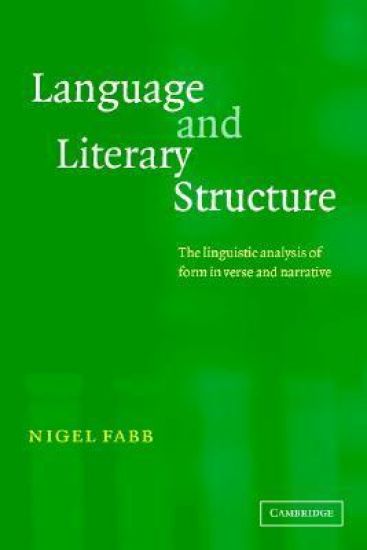
Language and Literary Structure

Language and Literary Structure

Nigel Fabb

Cambridge University Press
2002
sidottu
How does a literary text get to have literary form, and what is the relation between literary form and linguistic form? This theoretical study of linguistic structure in literature focuses on verse and narrative from a linguistic perspective. Nigel Fabb provides a simple and realistic linguistic explanation of poetic form in English from 1500–1900, drawing on the English and American verse and oral narrative tradition, as well as contemporary criticism. In recent years literary theory has paid relatively little attention to form; this book argues that form is interesting. Fabb offers a new linguistic approach to how metre and rhythm work in poetry, based on pragmatic theory and provides a pragmatic explanation of formal ambiguity and indeterminacy and their aesthetic effects. He also uses linguistics to examine the experience of poetry. Language and Literary Structure will be welcomed by students and researchers in linguistics, literary theory and stylistics.
Language and Literary Structure

Language and Literary Structure

Nigel Fabb

Cambridge University Press
2002
pokkari
How does a literary text get to have literary form, and what is the relation between literary form and linguistic form? This theoretical study of linguistic structure in literature focuses on verse and narrative from a linguistic perspective. Nigel Fabb provides a simple and realistic linguistic explanation of poetic form in English from 1500–1900, drawing on the English and American verse and oral narrative tradition, as well as contemporary criticism. In recent years literary theory has paid relatively little attention to form; this book argues that form is interesting. Fabb offers a new linguistic approach to how metre and rhythm work in poetry, based on pragmatic theory and provides a pragmatic explanation of formal ambiguity and indeterminacy and their aesthetic effects. He also uses linguistics to examine the experience of poetry. Language and Literary Structure will be welcomed by students and researchers in linguistics, literary theory and stylistics.
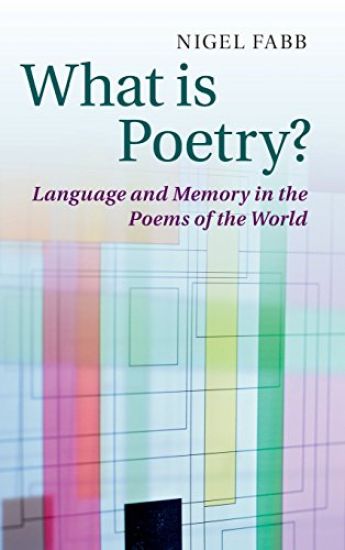
What is Poetry?

What is Poetry?

Nigel Fabb

Cambridge University Press
2015
sidottu
Poetry, defined as language divided into lines, is found in most known human cultures. This masterful survey of poetry and its constituent components demonstrates the functions performed by metre, rhyme, alliteration and parallelism, arguing that each line of a poem fits as a whole unit into the limited capacity of human working memory. Using examples from around the world, Fabb surveys the wide varieties of poetry and the ways they are performed, including those in songs and signed literatures. Focusing on language, form and memory, he helps us understand why poetry is a particularly valued way of using language. A fresh exploration of poetry, the book will be welcomed by students and researchers of literature, linguistics and psychology, as well as anyone interested in poetry.
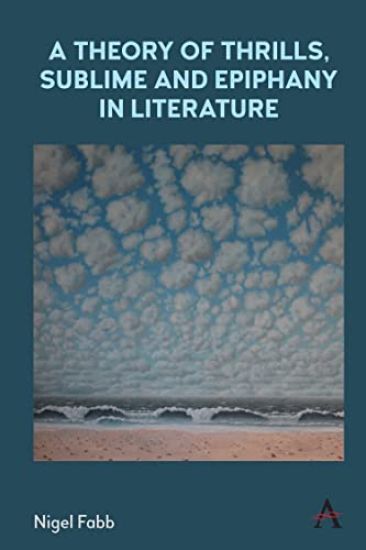
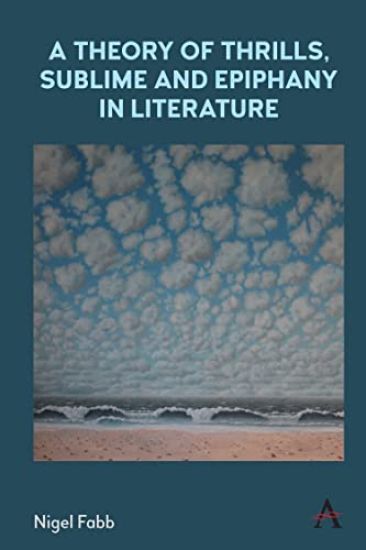
A Theory of Thrills, Sublime and Epiphany in Literature
This book offers a psychological account of thrills (goosebumps and tears), of the epiphanic experience of seeing ordinary things in a profoundly new way, and of the experience of the sublime. The unifying characteristic of these ‘strong experiences’ is that they all begin with surprise. They are important in literature: literature is about these experiences, and literature can cause these experiences. This book offers an overview of theories of these kinds of experience, and of what might cause them to happen. In the final chapter, various literary strategies are explored as possible causes. The book draws on psychological accounts of surprise, and of emotion, and cognitive approaches to what knowledge is, why it is possible to have feelings of profound knowledge, and why what we know can sometimes not be put into words.
A Theory of Thrills, Sublime and Epiphany in Literature
This book offers a psychological account of thrills (goosebumps and tears), of the epiphanic experience of seeing ordinary things in a profoundly new way, and of the experience of the sublime. The unifying characteristic of these ‘strong experiences’ is that they all begin with surprise. They are important in literature: literature is about these experiences, and literature can cause these experiences. This book offers an overview of theories of these kinds of experience, and of what might cause them to happen. In the final chapter, various literary strategies are explored as possible causes. The book draws on psychological accounts of surprise, and of emotion, and cognitive approaches to what knowledge is, why it is possible to have feelings of profound knowledge, and why what we know can sometimes not be put into words.