Kirjojen hintavertailu. Mukana 11 639 803 kirjaa ja 12 kauppaa.

Kirjahaku

Etsi kirjoja tekijän nimen, kirjan nimen tai ISBN:n perusteella.

6 kirjaa tekijältä Nigel Rothfels

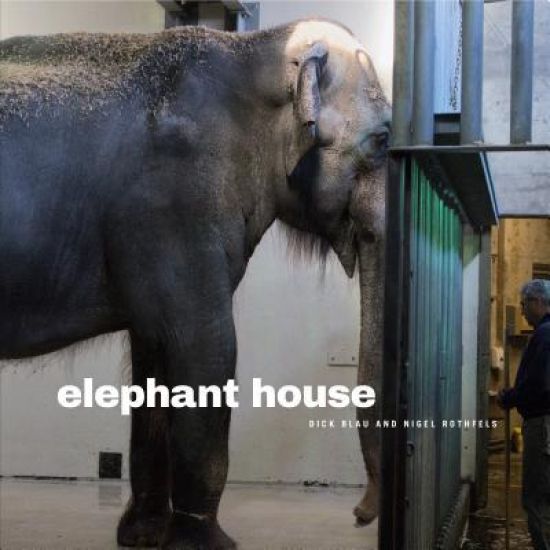
Elephant House

Elephant House

Nigel Rothfels

Pennsylvania State University Press
2015
sidottu
In Elephant House, photographer Dick Blau and historian Nigel Rothfels offer a thought-provoking study of the Oregon Zoo’s Asian Elephant Building and the daily routines of its residents—human and pachyderm alike. Without an agenda beyond a desire to build a deeper understanding of this enigmatic environment, Elephant House is the result of the authors’ unique creative collaboration and explores the relationships between captive elephants and their human caregivers.Blau’s evocative photographs are complex and challenging, while Rothfels’s text offers a scholarly and personal response to the questions that surround elephants and captivity. Elephant House does not take sides in the debate over zoos but focuses instead on the bonds of attentiveness between the animals and their keepers. Accompanied by a foreword from retired elephant keeper Mike Keele, Elephant House is a frank, fascinating look at the evolving world of elephant husbandry.
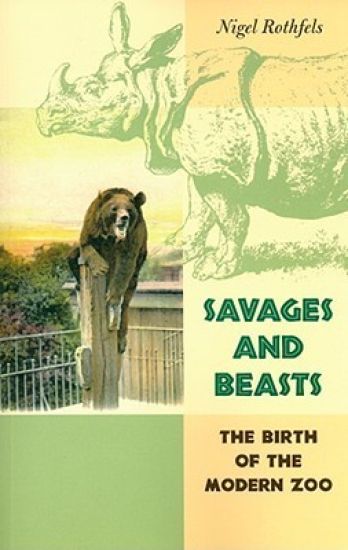
Savages and Beasts

Savages and Beasts

Nigel Rothfels

Johns Hopkins University Press
2008
pokkari
To modern sensibilities, nineteenth-century zoos often seem to be unnatural places where animals led miserable lives in cramped, wrought-iron cages. Today zoo animals, in at least the better zoos, wander in open spaces that resemble natural habitats and are enclosed, not by bars, but by moats, cliffs, and other landscape features. In Savages and Beasts, Nigel Rothfels traces the origins of the modern zoo to the efforts of the German animal entrepreneur Carl Hagenbeck. By the late nineteenth century, Hagenbeck had emerged as the world's undisputed leader in the capture and transport of exotic animals. His business included procuring and exhibiting indigenous peoples in highly profitable spectacles throughout Europe and training exotic animals-humanely, Hagenbeck advertised-for circuses around the world. When in 1907 the Hagenbeck Animal Park opened in a village near Hamburg, Germany, Hagenbeck brought together all his business interests in a revolutionary zoological park. He moved wild animals out of their cages and into "natural landscapes" alongside "primitive" peoples from Africa, Asia, the Americas, and the islands of the Pacific. Hagenbeck had invented a new way of imagining captivity: the animals and people on exhibit appeared to be living in the wilds of their native lands. By looking at Hagenbeck's multiple enterprises, Savages and Beasts demonstrates how seemingly enlightened ideas about the role of zoos and the nature of animal captivity developed within the essentially tawdry business of placing exotic creatures on public display. Rothfels provides both fascinating reading and much-needed historical perspective on the nature of our relationship with the animal kingdom.
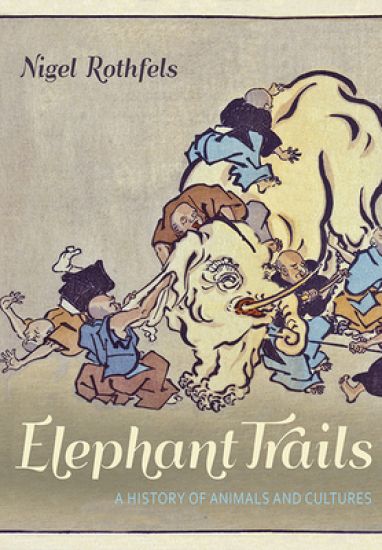
Elephant Trails

Elephant Trails

Nigel Rothfels

Johns Hopkins University Press
2022
sidottu
Why have elephants—and our preconceptions about them—been central to so much of human thought?From prehistoric cave drawings in Europe and ancient rock art in Africa and India to burning pyres of confiscated tusks, our thoughts about elephants tell a story of human history. In Elephant Trails, Nigel Rothfels argues that, over millennia, we have made elephants into both monsters and miracles as ways to understand them but also as ways to understand ourselves.Drawing on a broad range of sources, including municipal documents, zoo records, museum collections, and encounters with people who have lived with elephants, Rothfels seeks out the origins of our contemporary ideas about an animal that has been central to so much of human thought. He explains how notions that have been associated with elephants for centuries—that they are exceptionally wise, deeply emotional, and have a special understanding of death; that they never forget, are beloved of the gods, and suffer unusually in captivity; and even that they are afraid of mice—all tell part of the story of these amazing beings. Exploring the history of a skull in a museum, a photograph of an elephant walking through the American South in the early twentieth century, the debate about the quality of life of a famous elephant in a zoo, and the accounts of elephant hunters, Rothfels demonstrates that elephants are not what we think they are—and they never have been. Elephant Trails is a compelling portrait of what the author terms "our elephant."
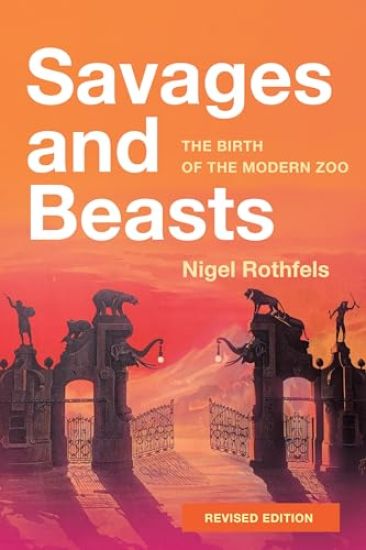
Savages and Beasts

Savages and Beasts

Nigel Rothfels

Johns Hopkins University Press
2025
pokkari
Now completely revised! A history of the modern zoo.In this revised edition of Savages and Beasts, Nigel Rothfels traces the origins of the modern zoo to the efforts of the German entrepreneur Carl Hagenbeck, the most successful dealer in exotic animals in the nineteenth century. Building from his core business in animals, Hagenbeck eventually became even more famous for his large ethnographic exhibitions and circus ventures. When Hagenbeck opened his Animal Park near Hamburg, Germany, in 1907, he brought together all his business interests in a revolutionary zoological park. He moved wild animals out of their cages and into "natural landscapes" and, in the process, invented a new way of imagining captivity. Through the use of theatrical scenery, the animals and people performing in his ethnographic exhibitions appeared to be living in their native lands. This revised edition addresses ethical concerns about the representation of indigenous peoples and animals and includes a host of new images and photographs.By examining Hagenbeck's enterprises, Savages and Beasts demonstrates how ideas about the role of zoos and the nature of animal captivity developed in the late nineteenth century. Rothfels provides a much-needed historical perspective on the connections between the development of modern zoos and their colonial histories.
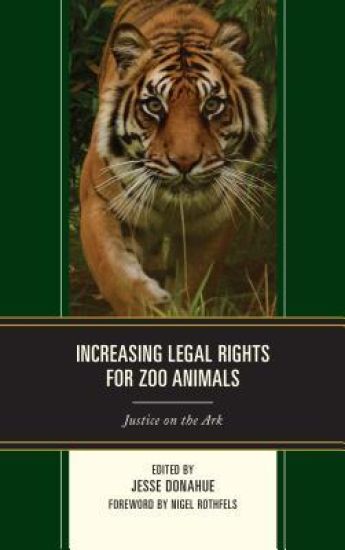
Increasing Legal Rights for Zoo Animals

Increasing Legal Rights for Zoo Animals

Nigel Rothfels

Lexington Books
2017
sidottu
We are on the precipice of momentous legal changes for animals that may soon give some of them rights of personhood and citizenship. Companion animals in particular are gaining rights to public representation in government, access to housing, inheritance, and increased protection through the criminal justice system. Nonhuman primates used as research subjects are also gaining limited rights of personhood in some countries. This book examines how zoo animals could benefit from that revolution as well. Reviewing zoo law and politics in the United States, New Zealand, and Southeast Asia, scholars and zoo directors grapple with how the current law in those regions of the world impacts zoo animals and how it could be changed to serve them better. They discuss the ways in which zoo animals could benefit from some re-worked companion animal law in the United States; the challenges of reintroductions and their legal barriers; how we can extend ideas of human research subject rights to zoo animal research; the stark problems of too few animal welfare laws in South East Asia; the need for a central governing body focused solely on exotic captive animals in New Zealand; and the need for stricter laws preventing the exotic pet problem that is increasingly affecting both zoos and sanctuaries. The book starts a dialogue that moves the scholarship about zoos beyond a general discussion of ethics to a concrete dialogue and set of suggestions about how to extend legal rights to this group of animals.
Increasing Legal Rights for Zoo Animals

Increasing Legal Rights for Zoo Animals

Nigel Rothfels

Lexington Books
2019
nidottu
We are on the precipice of momentous legal changes for animals that may soon give some of them rights of personhood and citizenship. Companion animals in particular are gaining rights to public representation in government, access to housing, inheritance, and increased protection through the criminal justice system. Nonhuman primates used as research subjects are also gaining limited rights of personhood in some countries. This book examines how zoo animals could benefit from that revolution as well. Reviewing zoo law and politics in the United States, New Zealand, and Southeast Asia, scholars and zoo directors grapple with how the current law in those regions of the world impacts zoo animals and how it could be changed to serve them better. They discuss the ways in which zoo animals could benefit from some re-worked companion animal law in the United States; the challenges of reintroductions and their legal barriers; how we can extend ideas of human research subject rights to zoo animal research; the stark problems of too few animal welfare laws in South East Asia; the need for a central governing body focused solely on exotic captive animals in New Zealand; and the need for stricter laws preventing the exotic pet problem that is increasingly affecting both zoos and sanctuaries. The book starts a dialogue that moves the scholarship about zoos beyond a general discussion of ethics to a concrete dialogue and set of suggestions about how to extend legal rights to this group of animals.