Kirjojen hintavertailu. Mukana 11 342 296 kirjaa ja 12 kauppaa.

Kirjahaku

Etsi kirjoja tekijän nimen, kirjan nimen tai ISBN:n perusteella.

4 kirjaa tekijältä Nigel Whiteley

Reyner Banham

Reyner Banham

Nigel Whiteley

MIT Press
2003
pokkari
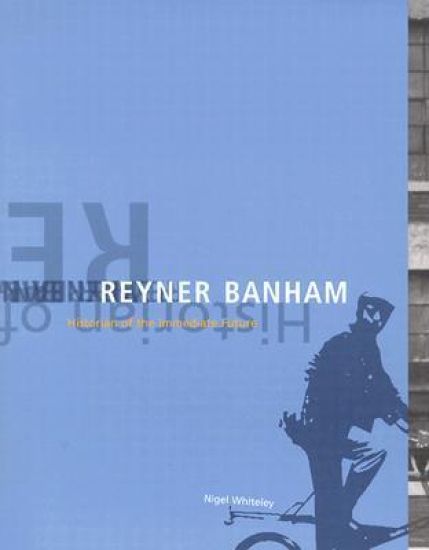
An intellectual biography of the cultural critic Reyner Banham.Reyner Banham (1922-88) was one of the most influential writers on architecture, design, and popular culture from the mid-1950s to the late 1980s. Trained in mechanical engineering and art history, he was convinced that technology was making society not only more exciting but more democratic. His combination of academic rigor and pop culture sensibility put him in opposition to both traditionalists and orthodox Modernists, but placed him in a unique position to understand the cultural, social, and political implications of the visual arts in the postwar period. His first book, Theory and Design in the First Machine Age (still in print with The MIT Press after forty years), was central to the overhaul of Modernism, and it gave Futurism and Expressionism credibility amid the dynamism and change of the 1960s.This intellectual biography is the first comprehensive critical examination of Banham's theories and ideas, not only on architecture but also on the wide variety of subjects that interested him. It covers the full range of his oeuvre and discusses the values, enthusiasms, and influences that formed his thinking.

Design For Society

Design For Society

Nigel Whiteley

Reaktion Books
1994
nidottu
An analysis of design's role within the consumer society and of what our obsession with it tells us about the present state of our own culture. The author reviews the implications for design of the Green movement, the growing impact of feminism, and the ideas of "socially responsible" designers.
Art and Pluralism

Art and Pluralism

Nigel Whiteley

Liverpool University Press
2012
sidottu
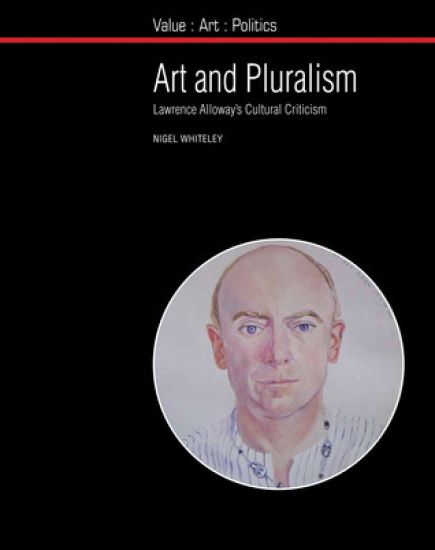
Lawrence Alloway (1926–1990) was one of the most influential and widely respected (as well as prolific) art writers of the post-war years. His many books, catalogue essays and reviews manifest the changing paradigms of art away from the formal values of modernism towards the inclusiveness of the visual culture model in the 1950s, through the diversity and excesses of the 1960s, to the politicisation in the wake of 1968 and the Vietnam war, on to postmodern concerns in the 1970s. Alloway was in the right places at the right times. From his central involvement with the Independent Group and the ICA in London in the 1950s, he moved to New York, the new world centre of art, at the beginning of the 1960s. In the early 1970s he became deeply involved with the realist revival and the early feminist movement in art – Sylvia Sleigh, the painter, was his wife – and went on to write extensively about the gallery and art market as a system, examining the critic’s role within this system. Positioning himself against the formalism and exclusivism associated with Clement Greenberg, Alloway was wholeheartedly committed to pluralism and diversity in both art and society. For him, art and criticism were always to be understood within a wider set of cultural, social and political concerns, with the emphasis on democracy, social inclusiveness, and freedom of expression. Art and Pluralism provides a close critical reading of Alloway’s writings, and sets his work and thought within the cultural contexts of the London and New York art worlds from the 1950s through to the early 1980s. It is a fascinating study of one of the most significant art critics of the twentieth century.