Kirjojen hintavertailu. Mukana 11 244 527 kirjaa ja 12 kauppaa.

Kirjahaku

Etsi kirjoja tekijän nimen, kirjan nimen tai ISBN:n perusteella.

6 kirjaa tekijältä Noah Isenberg

We'll Always Have Casablanca: The Life, Legend, and Afterlife of Hollywood's Most Beloved Movie
For the 75th anniversary of its premiere--the incredible story of how Casablanca was made and why it remains the most beloved of Hollywood films. Casablanca was first released in 1942, just two weeks after the city of Casablanca itself surrendered to American troops led by General Patton. Featuring a pitch-perfect screenplay, a classic soundtrack, and unforgettable performances by Humphrey Bogart, Ingrid Bergman, and a deep supporting cast, Casablanca was hailed in the New York Times as "a picture that makes the spine tingle and the heart take a leap." The film won Oscars for best picture, best director, and best screenplay, and would go on to enjoy more revival screenings than any other movie in history. It became so firmly ensconced in the cultural imagination that, as Umberto Eco once said, Casablanca is "not one movie; it is 'movies.' " We'll Always Have Casablanca is celebrated film historian Noah Isenberg's rich account of this most beloved movie's origins. Through extensive research and interviews with filmmakers, film critics, family members of the cast and crew, and diehard fans, Isenberg reveals the myths and realities behind Casablanca's production, exploring the transformation of the unproduced stage play into the classic screenplay, the controversial casting decisions, the battles with Production Code censors, and the effect of the war's progress on the movie's reception. Isenberg particularly focuses on the central role refugees from Hitler's Europe played in the production (nearly all of the actors and actresses cast in Casablanca were immigrants).Finally, Isenberg turns to Casablanca's long afterlife and the reasons it remains so revered. From the Marx Brothers' 1946 spoof hit, A Night in Casablanca, to loving parodies in New Yorker cartoons, Saturday Night Live skits, and Simpsons episodes, Isenberg delves into the ways the movie has lodged itself in the American psyche.Filled with fresh insights into Casablanca's creation, production, and legacy, We'll Always Have Casablanca is a magnificent account of what made the movie so popular and why it continues to dazzle audiences seventy-five years after its release.
We'll Always Have Casablanca

We'll Always Have Casablanca

Noah Isenberg

WW Norton Co
2018
nidottu
Casablanca is "not one movie," Umberto Eco once quipped; "it is 'movies.'" Film historian Noah Isenberg's We'll Always Have Casablanca offers a rich account of the film's origins, the myths and realities behind its production, and the reasons it remains so revered today, seventy-five years after its premiere.
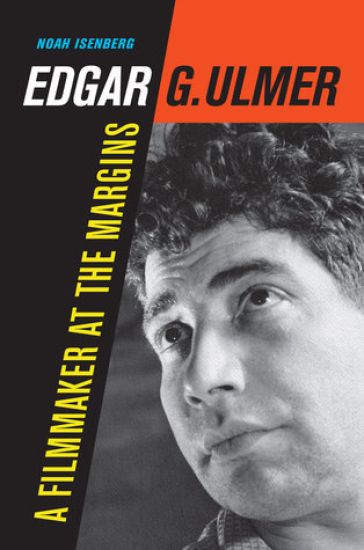
Edgar G. Ulmer

Edgar G. Ulmer

Noah Isenberg

University of California Press
2014
sidottu
Edgar G. Ulmer is perhaps best known today for Detour, considered by many to be the epitome of a certain noir style that transcends its B-list origins. But in his lifetime he never achieved the celebrity of his fellow Austrian and German emigre directors--Billy Wilder, Otto Preminger, Fred Zinnemann, and Robert Siodmak. Despite early work with Max Reinhardt and F. W. Murnau, his auspicious debut with Siodmak on their celebrated Weimar classic People on Sunday, and the success of films like Detour and Ruthless, Ulmer spent most of his career as an itinerant filmmaker earning modest paychecks for films that have either been overlooked or forgotten. In this fascinating and well-researched account of a career spent on the margins of Hollywood, Noah Isenberg provides the little-known details of Ulmer's personal life and a thorough analysis of his wide-ranging, eclectic films--features aimed at minority audiences, horror and sci-fi flicks, genre pictures made in the U.S. and abroad. Isenberg shows that Ulmer's unconventional path was in many ways more typical than that of his more famous colleagues. As he follows the twists and turns of Ulmer's fortunes, Isenberg also conveys a new understanding of low-budget filmmaking in the studio era and beyond.
Edgar G. Ulmer

Edgar G. Ulmer

Noah Isenberg

University of California Press
2024
pokkari
Edgar G. Ulmer is perhaps best known today for Detour, often considered the epitome of a certain noir style that transcends its B-list origins. But in his lifetime he never achieved the celebrity of fellow Austrian and German émigré directors like Billy Wilder, Otto Preminger, Fred Zinnemann, and Robert Siodmak, and spent most of his career as an itinerant filmmaker earning modest paychecks for films frequently overlooked or forgotten. In this fascinating account of a career spent on the margins of Hollywood, Noah Isenberg sheds new light on little-known details of Ulmer’s personal life and his wide-ranging, eclectic films: features aimed at minority audiences, horror and sci-fi flicks, genre pictures made in the United States and abroad. As he follows the twists and turns of Ulmer’s fortunes, Isenberg shows that Ulmer’s unconventional path was in many ways more typical than that of his more illustrious colleagues, advancing a new understanding of low-budget filmmaking in the studio era and beyond.
We'll Always Have Casablanca

We'll Always Have Casablanca

Noah Isenberg

Faber Faber
2020
nidottu
Released in 1942, Casablanca won four Oscars, including Best Picture, and featured unforgettable performances by Humphrey Bogart and Ingrid Bergman. We'll Always Have Casablanca offers a rich account of the film's origins, the myths and realities behind its production, and the reasons it remains so revered today. Through extensive research and interviews with film-makers, Noah Isenberg explores the ways in which the film continues to dazzle audiences and saturate popular culture over seventy-five years after its release.
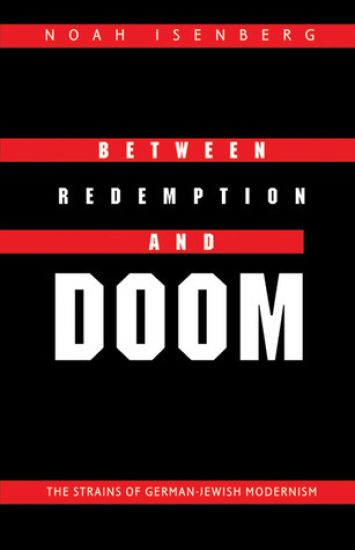
Between Redemption and Doom

Between Redemption and Doom

Noah Isenberg

University of Nebraska Press
2008
pokkari
Between Redemption and Doom is a revelatory exploration of the evolution of German-Jewish modernism. Through an examination of selected works in literature, theory, and film, Noah Isenberg investigates the ways in which Jewish identity was represented in German culture from the eve of the First World War through the rise of National Socialism. He argues that various responses to modernity—particularly to its social, cultural, and aesthetic currents—converge around the discourse on community: its renaissance, its crisis, and its dissolution. Isenberg opens with a general discussion of German modernism—its primary forms, movements, and manifestations. Subsequent chapters on Franz Kafka and Arnold Zweig deal with particular instances of the modern, and often ambivalent, search for forms of German-Jewish identity based on cultural and ethnic community. Discussions of Paul Wegener's film Der Golem and Walter Benjamin's childhood memoirs explore the culmination of German modernism and the modes through which Jews were identified in mass society. Throughout, Isenberg shows how Jewish authors and figures confronted the dilemma of self-understanding—the exigencies of community in the modern world—in language, culture, memory, and representation.