Kirjojen hintavertailu. Mukana 11 342 296 kirjaa ja 12 kauppaa.

Kirjahaku

Etsi kirjoja tekijän nimen, kirjan nimen tai ISBN:n perusteella.

4 kirjaa tekijältä Nobuyoshi Hamada

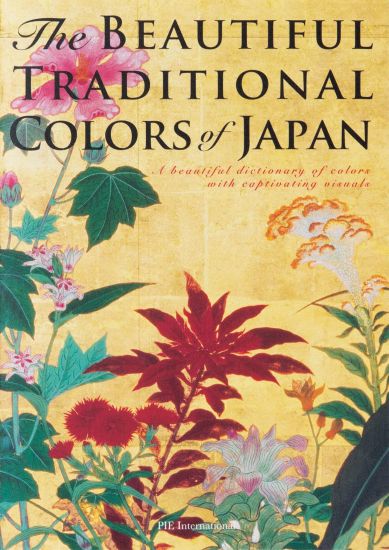
The Beautiful Traditional Colors of Japan

The Beautiful Traditional Colors of Japan

Nobuyoshi Hamada

Pie International Co., Ltd.
2022
nidottu
A visual color encyclopedia presenting more than 270 traditional Japanese colors arranged in order of the four seasons.The beauty of Japan is deeply rooted in the natural colors of the changing seasons. This book contains more than 270 of the most representative traditional Japanese colors, from spring to summer, autumn and winter, along with color charts, CMYK/RGB data, and explanations of color names in both Japanese and English. Photographs of ukiyo-e, plants, annual events, and festivals, as well as beautiful visuals of arts and crafts, showcase these distinctive colors as they appear in their visual and cultural contexts throughout each season of the year. We hope this book will help readers enjoy and understand more deeply about these beautiful traditional colors.
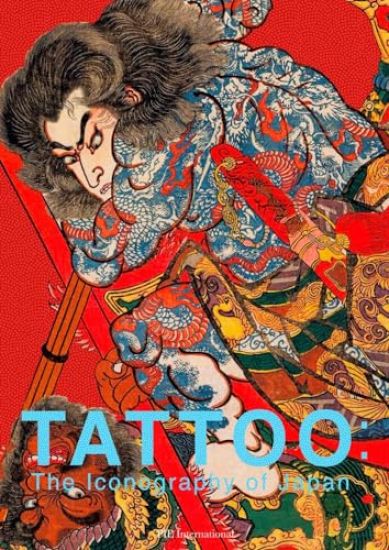
TATTOO

TATTOO

Nobuyoshi Hamada

Pie International Co., Ltd.
2024
nidottu
In this book, the beauty and design of Japanese tattoos are explored through ukiyo-e prints and explained in detailed bilingual Japanese and English text.In recent years, the number of ukiyo-e tattoo designs, or tattoo designs using ukiyo-e motifs, has increased, and ukiyo-e are becoming more popular among tattoo lovers.First, Chapter 1 presents the artworks by artist, beginning with Kuniyoshi Utagawa, to introduce the beauty and design of tattoos by artists such as Toyokuni Utagawa, Yoshitoshi Tsukioka, Yoshiiku Ochiai, Kunichika Toyohara, and Yoshitora Utagawa.In Chapter 2, tattoo designs based on ukiyo-e are presented and grouped by motif, specifically including examples such as Shinto and Buddhist deities (Fujin, Raijin...); animals (dogs, cats, wolves, lions, monkeys...); plants (peonies, cherry blossoms, chrysanthemums...); yokai monsters (Hannya, skulls, bakenekos...); caricatures (Otsu-e, Okame, Hyottoko...) and more.This book appeals not only to lovers of traditional Japanese culture, but also to tattoo-lovers and tattoo artists, who can use it as a reference for designs.
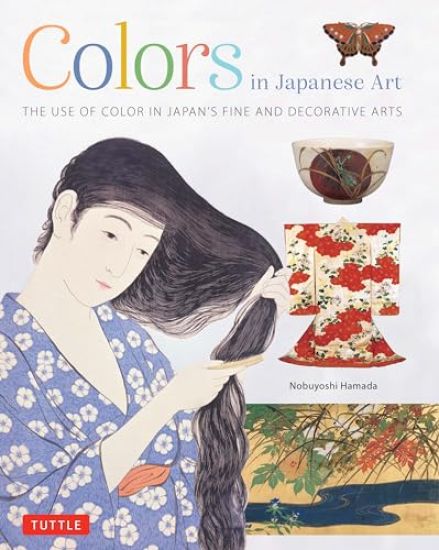
Colors in Japanese Art

Colors in Japanese Art

Nobuyoshi Hamada

TUTTLE PUBLISHING
2024
sidottu
"Exceptional, memorable, comprehensively informative, and thoroughly 'reader friendly' in organization and presentation. This book is truly outstanding, elegant, [and] eloquent…" —Midwest Book ReviewHow color is used in the most famous works of Japanese art—from the 16th century to the present.From the vibrant reds of traditional kimonos to the serene blues of tarashikomi riverscapes and woodblock prints, Colors in Japanese Art invites you to explore the rich tapestry of Japanese visual culture through the lens of color.Whether you are a collector of Japanese art, a student of art history, or simply captivated by the rich shades, tones and hues that Japanese art presents, this book is your key to understanding this extraordinary artistic tradition. This book presents over 120 great works of fine and decorative art and discusses the color schemes used in each work, including:The vibrant red, gold, multi-hued kimonos from the 18th and 19th century Edo periodThe gold, green and deep-blue season-themed screens of Tohaku and SesshuThe elegant pinks and blues in the landscape prints of Hiroshige and Hokusai The blues, reds and yellows in the Ko-Kutani and Imari porcelains of the Edo and Meiji periodsEarthy golds in fine lacquerwares dating as far back as the Heian periodAnd so many more colors in over 120 magnificent examples!A detailed analysis of each work shows how these color schemes evolved; how their popularity waxed and waned over time; the social and spiritual significance of certain color combinations; and the pigments and dyes used to create them.Color swatches accompany the featured artworks to show readers how colors were used in subtle combinations, including many hues, tones and tints unique to the Japanese arts. A color chart at the end of the book summarizes the beautiful colors that are most characteristic of this tradition.