Kirjojen hintavertailu. Mukana 11 717 486 kirjaa ja 12 kauppaa.

Kirjahaku

Etsi kirjoja tekijän nimen, kirjan nimen tai ISBN:n perusteella.

3 kirjaa tekijältä Norbert Wiley

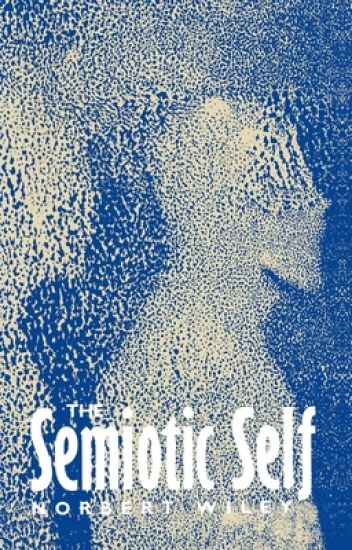
The Semiotic Self

The Semiotic Self

Norbert Wiley

Polity Press
1994
nidottu
This work offers a novel and challenging interpretation of the nature of the self. In opposition to currently fashionable theories, Wiley argues that the self is an integral and autonomous entity. The self is interpreted as a semiotic structure and on this basis the author presents an original analysis of the origins of self-identity. The book draws particularly upon two philosophical sources: the writings of Charles Sanders Peirce and George Herbert Mead. The result is a "trialogical" model in which the present self ("I") talks to the future self ("you") about the past self ("me"). A distinctive feature of Wiley's view is that there is a mutually-supportive relation between the self and democracy, a view which he traces through American history. Providing as it does a means of interpreting the politics of identity in relation to such issues as class, gender, ethnicity, religion and sexual orientation, this book will stimulate wide interest.
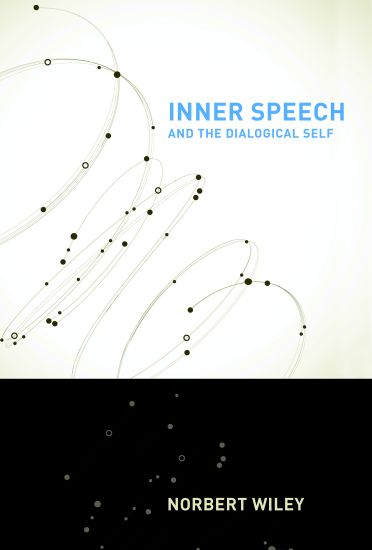
Inner Speech and the Dialogical Self

Inner Speech and the Dialogical Self

Norbert Wiley

Temple University Press,U.S.
2016
sidottu
Inner speech, also known as self-talk, is distinct from ordinary language. It has several functions and structures, from everyday thinking and self-regulation to stream of consciousness and daydreaming. Inner Speech and the Dialogical Self provides a comprehensive analysis of this internal conversation that people have with themselves to think about problems, clarify goals, and guide their way through life. Norbert Wiley shrewdly emphasizes the semiotic and dialogical features of the inner speech, rather than the biological and neurological issues. He also examines people who lack control of their inner speech-such as some autistics and many emotionally disturbed people who use trial and error rather than self-control-to show the power and effectiveness of inner speech. Inner Speech and the Dialogical Self takes a humanistic social theorist approach to its topic. Wiley acknowledges the contributions of inner speech theorists, Lev Vygotsky and Mikhail Bakhtin, and addresses the classical pragmatism of Charles Sanders Peirce, John Dewey, William James, and George Herbert Mead to show the range and depth of this largely unexplored field.
Inner Speech and the Dialogical Self

Inner Speech and the Dialogical Self

Norbert Wiley

Temple University Press,U.S.
2016
pokkari
Inner speech, also known as self-talk, is distinct from ordinary language. It has several functions and structures, from everyday thinking and self-regulation to stream of consciousness and daydreaming. Inner Speech and the Dialogical Self provides a comprehensive analysis of this internal conversation that people have with themselves to think about problems, clarify goals, and guide their way through life. Norbert Wiley shrewdly emphasizes the semiotic and dialogical features of the inner speech, rather than the biological and neurological issues. He also examines people who lack control of their inner speech-such as some autistics and many emotionally disturbed people who use trial and error rather than self-control-to show the power and effectiveness of inner speech. Inner Speech and the Dialogical Self takes a humanistic social theorist approach to its topic. Wiley acknowledges the contributions of inner speech theorists, Lev Vygotsky and Mikhail Bakhtin, and addresses the classical pragmatism of Charles Sanders Peirce, John Dewey, William James, and George Herbert Mead to show the range and depth of this largely unexplored field.