Kirjojen hintavertailu. Mukana 11 717 486 kirjaa ja 12 kauppaa.

Kirjahaku

Etsi kirjoja tekijän nimen, kirjan nimen tai ISBN:n perusteella.

3 kirjaa tekijältä Olga Popovic Larsen

Physical Modelling for Urban Design and Architecture
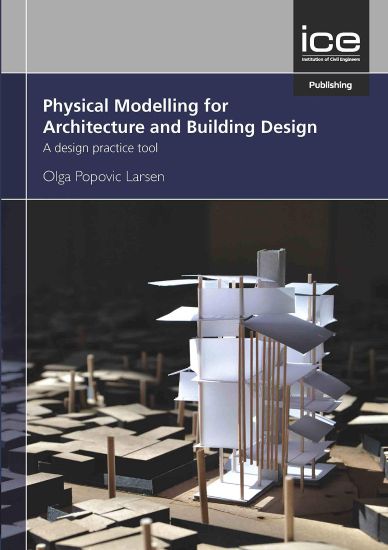
Physical models have been an essential design tool for architecture, building design and urban projects, aiding design development from conception to realisation. Despite digitalisation, physical modelling remains a vital design tool. In Physical Modelling for Architecture and Building Design, Olga Popovic Larsen explores the role of physical models in current design practice and how these roles have been affected by modern day digital tools. The book also presents different contexts in which physical models are relevant and explores how they are used in the design process by different professions through detailed case studies. The book covers a range of topics including, how physical models are used as a tool for: exploring and developing conceptsrepresentation and communication of designsstructural testing and verificationguiding assembly and construction processescreating a link between physical and digital environments Projects spanning different scales including material science, architecture, building design, structural engineering, environmental engineering aspects, as well as urban scale are also covered. This highly illustrated and practical reference book will be a perfect introduction to the types and uses of physical models. It will appeal to anyone studying or practising architecture, engineering or building design.
Conceptual Structural Design

Conceptual Structural Design

Olga Popovic Larsen

Emerald Publishing Limited
2022
nidottu
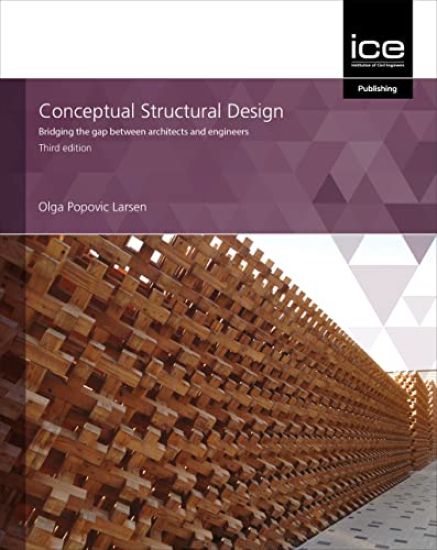
Conceptual Structural Design, Third edition addresses a topic that lies at the intersection of architecture and structural engineering. Within a building project, conceptual structural design, and how successfully it has been dealt with, impacts building performance as well as building appearance. Whilst engineers and architects are educated in different fields, the most rewarding projects are where their shared expertise can be utilised in full. This book illustrates how these two professions can be bridged. The first half of this book details the theory and investigates sources of inspiration for developing structural form. This includes what can be learnt from natural forms by using intuition; finding inspiration from precedents; applying understanding of structural principles; utilising physical models for design; as well as using new design tools, construction methods, emerging technology and materials to develop new structural forms. The second part presents real-life case studies showing projects in context and examples of best practice. Reflective of the changing times in which we live, Conceptual Structural Design demonstrates developments in digital tools that offer sharing possibilities and digital platforms for design, analysis and fabricationenergy efficiency and effective resource utilisation to meet sustainability goalsthe latest developments in design tools, construction methods and materialsarchitects’ experiences from real projects and how they collaborate with engineers from the early stages of design. This fully updated third edition of Conceptual Structural Design, addresses sustainable approaches and circular design. It also features additional online-only bonus material such as case studies about load-bearing glass structures and the Eden Project. The book is essential reading for architects and engineers, and for anyone interested in conceptual structural design.
Reciprocal Frame Architecture

Reciprocal Frame Architecture

Olga Popovic Larsen

Routledge
2016
sidottu
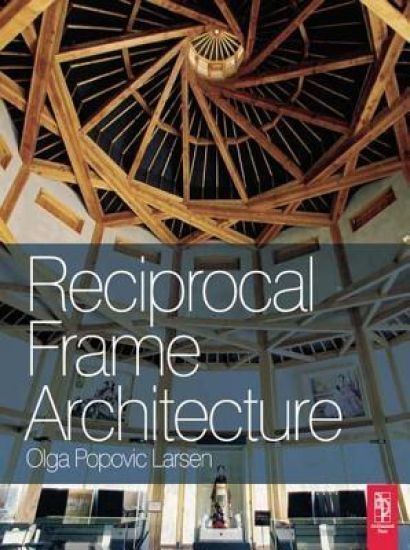
In structural terms reciprocal frame structures are 'three dimensional assemblies of mutually supporting beams'. But behind this definition lie some breathtakingly beautiful and complex structures at the heart of buildings both ancient and modern. This new book explores the principles of these apparently simple structures and demonstrates how they can be used in the context of a modern building. Starting with historic designs by de Honnecourt, Da Vinci and Serlio, the book presents the wealth of possible RF morphologies, and investigates the geometrical, structural and practical design issues of reciprocal frames. The case studies look at stunning examples of reciprocal frame architecture that range from low environmental impact buildings and self built examples in the UK and USA, to the fascinating and elegant structures of the Puppet Theatre in Seiwa, Tokyo's Spinning House, Sukiya –Yu house, The Toyoson Stonemason museum and the Life Sciences Laboratory – Torikabuto in Japan. The book is designed to inform and inspire architects and structural engineers alike, and brings to life a structural system whose principles have been used for thousands of years.