Kirjojen hintavertailu. Mukana 11 372 761 kirjaa ja 12 kauppaa.

Kirjahaku

Etsi kirjoja tekijän nimen, kirjan nimen tai ISBN:n perusteella.

5 kirjaa tekijältä Pam Inder

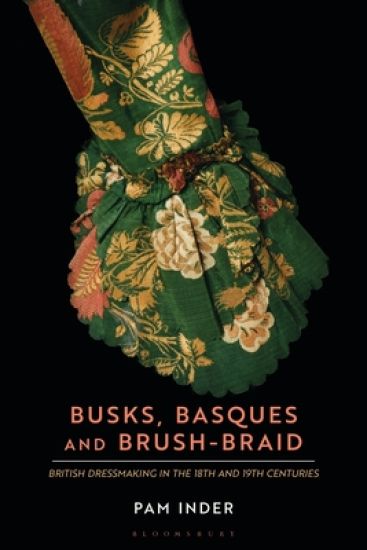
Busks, Basques and Brush-Braid

Busks, Basques and Brush-Braid

Pam Inder

Bloomsbury Visual Arts
2022
nidottu
The dressmaking trade developed rapidly during the 18th and 19th centuries, changing the lives of thousands of British workers. Busks, Basques and Brush-Braid focuses on the trade and the people within it, from their working conditions and earnings to their training, services and relationships with customers. Exploring the lives of dressmakers in fact and fiction, the book looks at representations of the trade in the plays and novels of the time, while surveying the often harsh realities of the workers’ lives. From the arrival of the sewing machine to the influence of the department store, it explores the impact of mechanization, commercialization and modernity on a historical trade. Pamela Inder illuminates a new world of dressmaking enabled by goods like paper patterns and magazines, and sets out to investigate the increasing monopoly of female dressmakers in an industry once dominated by male tailors.Drawing on a range of original and hitherto unpublished sources – including business records, diaries, letters, bills and newspaper articles – Busks, Basques and Brush-Braid reveals the untold story of the dressmaking trade. Beautifully illustrated with over 80 images, the book brings dressmakers into focus as real people, granting new insights into working class life in 18th- and 19th-century Britain.
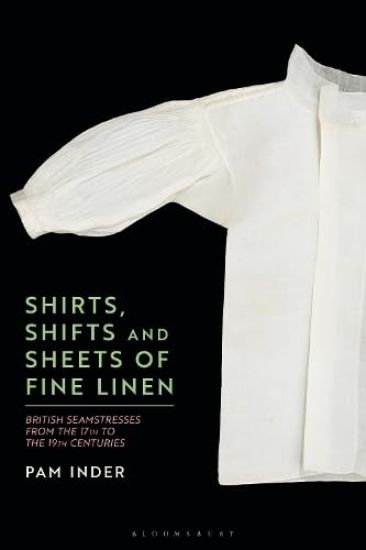
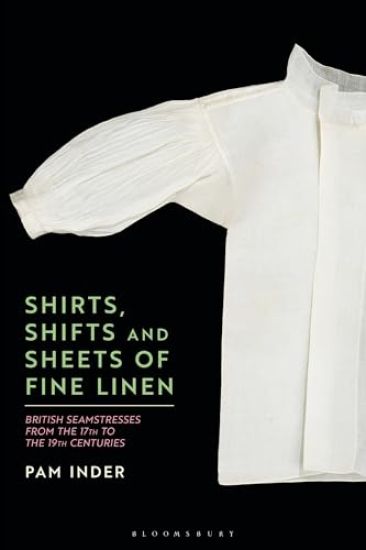
Shirts, Shifts and Sheets of Fine Linen

Shirts, Shifts and Sheets of Fine Linen

Pam Inder

BLOOMSBURY PUBLISHING PLC
2024
sidottu
Shirts, Shifts and Sheets of Fine Linen explores how the jobs of the ‘seamstress’ evolved in scope, and status, between 1600-1900.In the 17th and early 18th centuries, seamstressing was a trade for women who worked in linen and cotton, making men’s shirts, women’s chemises, underwear and baby linen; some of these seamstresses were consummate craftswomen, able to sew with stitches almost invisible to the naked eye. Few examples of their work survive, but those that do attest to their skill. However, as the ready-to-wear trade expanded in the 18th century, women who assembled these garments were also known as seamstresses, and by the 1840s, most seamstresses were outworkers for companies or entrepreneurs, paid unbelievably low rates per dozen for the garments they produced, notorious examples of downtrodden, exploited womenfolk. Drawing on a range of original and hitherto unpublished sources, including business diaries, letters and bills, Shirts, Shifts and Sheets of Fine Linen explores the seamstress’s change of status in the 19th century and the reasons for it, hinting at the resurgence of the trade today given so few women today are skilled at repairing and altering clothes. Illustrated with 60 images, the book brings seamstresses into focus as real people, granting new insights into working class life in 18th- and 19th-century Britain.
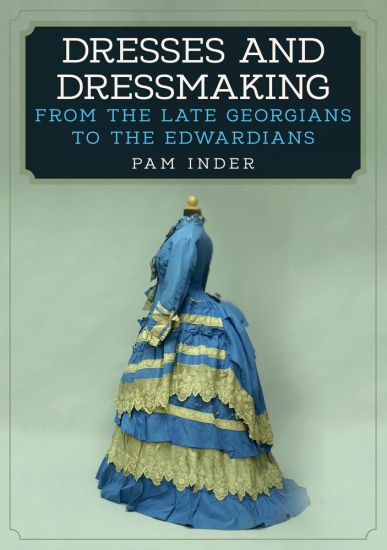
Dresses and Dressmaking

Dresses and Dressmaking

Pam Inder

Amberley Publishing
2018
nidottu
Examining how dress evolved over the long nineteenth century, between the French Revolution and the First World War, Pam Inder explores the history behind how women’s clothing was manufactured and worn. Focusing on specific examples and particular details such as the fabric, cut, trimming and stitching, Dresses and Dressmakingshows how techniques and styles in women’s clothing developed. Including full-colour photography of various outfits, including accessories and undergarments, Inder puts the costumes into historical context, featuring information on those who created or wore them – a dress worn by a devout Quaker, a nursing dress worn by a farmer’s wife, a badly made dress worn (and hated) by the daughter of a social reformer, a mourning outfit cobbled together from two separate dresses and an outfit worn by a teenage suffragette. Exploring fashion and how it reflects changes in trade, technological developments, social attitudes and lifestyle, as well as how fashion was portrayed by writers and cartoonists of the era, this is a fascinating, lavishly illustrated guide to changes and developments in women’s fashion.
Shirts, Shifts and Sheets of Fine Linen

Shirts, Shifts and Sheets of Fine Linen

Pam Inder

BLOOMSBURY PUBLISHING PLC
2026
nidottu
Shirts, Shifts and Sheets of Fine Linen explores how the jobs of the ‘seamstress’ evolved in scope, and status, between 1600-1900. In the 17th and early 18th centuries, seamstressing was a trade for women who worked in linen and cotton, making men’s shirts, women’s chemises, underwear and baby linen; some of these seamstresses were consummate craftswomen, able to sew with stitches almost invisible to the naked eye. Few examples of their work survive, but those that do attest to their skill. However, as the ready-to-wear trade expanded in the 18th century, women who assembled these garments were also known as seamstresses, and by the 1840s, most seamstresses were outworkers for companies or entrepreneurs, paid unbelievably low rates per dozen for the garments they produced, notorious examples of downtrodden, exploited womenfolk. Drawing on a range of original and hitherto unpublished sources, including business diaries, letters and bills, Shirts, Shifts and Sheets of Fine Linen explores the seamstress’s change of status in the 19th century and the reasons for it, hinting at the resurgence of the trade today given so few women today are skilled at repairing and altering clothes. Illustrated with 60 images, the book brings seamstresses into focus as real people, granting new insights into working class life in 18th- and 19th-century Britain.
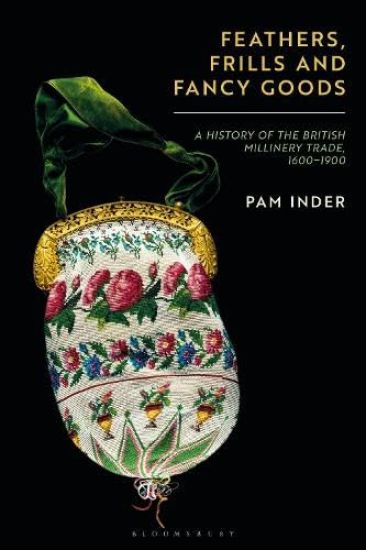
Feathers, Frills and Fancy Goods

Feathers, Frills and Fancy Goods

Pam Inder

BLOOMSBURY PUBLISHING PLC
2026
sidottu
Tracing its development from a trade devoted to selling small needlework articles, ribbons and trimmings to one chiefly concerned with making and selling hats and bonnets, Feathers, Frills and Fancy Goods is an examination of the millinery trade from the early 17th century to the Victorian period. The term ‘milliner’ derives from milan-er – seller of goods from Milan. Milliners sold ‘small wares’ – pins, needles, thread, tapes, ribbons, laces, soft leathers for belts and purses, gloves, hosiery and other decorative items which often, but not invariably, included caps and hats. Feathers, Frills and Fancy Goods traces the history of the millinery trade from the late 16th century, when most milliners were men, to the 19th century, when an increasing number of women had moved into the industry, and the term ‘milliner’ began to take on its contemporary meaning of ‘hat maker/seller’. Drawing on a wealth of unpublished and primary sources, and illustrated with over 65 images, Feathers, Frills and Fancy Goods traces the evolution of this complex and under-researched trade and grants new insights into working class life in 18th- and 19th-century Britain.