Kirjojen hintavertailu. Mukana 12 390 323 kirjaa ja 12 kauppaa.

Kirjahaku

Etsi kirjoja tekijän nimen, kirjan nimen tai ISBN:n perusteella.

192 kirjaa tekijältä Pamela Brookes

Five Chapter Books 7

Five Chapter Books 7

Pamela Brookes

Dog on a Log Books
2020
sidottu
The DOG ON A LOG Book series helps kids, including kids with dyslexia, learn to read. They are sound out books that start with just a few phonics rules. Each following Step of books adds a few more phonics rules and sight words. This gradual progression helps kids learn to read without feeling so overwhelmed. The word list below will help you decide where in the series your child should start. For added practice, free printable game boards, flashcards, handwriting sheets, and more can be downloaded from dogonalogbooks.com.The (purple) Let's GO books have less text for new or less confident readers. The (red) chapter books are longer for more reading practice. Kids enjoy these stories that get more complex and longer as more phonics are added throughout the series.Books can be purchased individually or as collection volumes. This is a collection volume of five Step 7 Chapter Books.Additional information on using this series is available in the e-book HOW TO USE DECODABLE BOOKS TO TEACH READING. It can also be read for free at dogonalogbooks.com/free.DOG ON A LOG Books follow a structured literacy/Orton Gillingham phonics progression.DOG ON A LOG "What Step Should We Start With?" Word List Have your child read the following words. If they can't read every word in a Step, that is probably the step they should start with. For some kids, you may want to start at an earlier Step so they can build confidence in their reading ability.Step 1 fin, mash, sock, sub, cat, that, Dan'sStep 2 less, bats, tell, mall, chips, whiff, fallsStep 3 bangs, dank, honk, pings, chunk, sink, gong, rungsStep 4 silk, fluff, smash, krill, drop, slim, whiskStep 5 hunch, crate, rake, tote, inch, mote, limeStep 6child, molts, fold, hind, jolt, post, coldsStep 7 strive, scrape, splint, twists, crunch, prints, blendStep 8 finish, denim, within, bathtub, sunset, medic, habitStep 9 hundred, goldfinch, free, wheat, inhale, play, JoeStep 10 be, remake, spry, repeat, silo, sometime, pinwheelMany early reader books or leveled books are written so they cannot be sounded out. Kids often struggle and grow frustrated when they can't sound out the words. However, kids who have been taught the phonics in DOG ON A LOG Books can be proud when they are able to sound out and read almost every word.Paper books have black and white images. The books are optimized for learners with dyslexia. They have cream colored paper and large Verdana font. Research has shown Verdana is one of the most dyslexia-friendly fonts.More DOG ON A LOG Books: DOG ON A LOG Pup Books ---Before the Squiggle Code (Pre-Reading Skills) ---The Squiggle Code (Learning Letters and Words) ---Kids' Squiggles (First Stories)DOG ON A LOG Parent and Teacher Guides ---Teaching a Struggling Reader: One Mom's Experience with Dyslexia ---How to Use Decodable Books to Teach ReadingYou can read the complete DOG ON A LOG Phonics Progression (Scope and Sequence) at www (dot) dogonalogbooks.com/about-dog-on-a-log-books/phonics-progression/Youi can print a copy of the Quick Assessment Tool ("What Step Should We Start With?" Word List) at www (dot) dogonalogbooks.com/how-to-use/assessment-tool/WATCH FOR MORE STEPS AND BOOKS COMING SOON
Five Let's GO! Books 1

Five Let's GO! Books 1

Pamela Brookes

Dog on a Log Books
2020
sidottu
The DOG ON A LOG Book series helps kids, including kids with dyslexia, learn to read. They are sound out books that start with just a few phonics rules. Each following Step of books adds a few more phonics rules and sight words. This gradual progression helps kids learn to read without feeling so overwhelmed. The word list below will help you decide where in the series your child should start. For added practice, free printable game boards, flashcards, handwriting sheets, and more can be downloaded from dogonalogbooks.com.The (purple) Let's GO books have less text for new or less confident readers. The (red) chapter books are longer for more reading practice. Kids enjoy these stories that get more complex and longer as more phonics are added throughout the series.Books can be purchased individually or as collection volumes. This is a collection volume of five Step 1 Let's GO Books.Additional information on using this series is available in the e-book HOW TO USE DECODABLE BOOKS TO TEACH READING. It can also be read for free at dogonalogbooks.com/free.DOG ON A LOG Books follow a structured literacy/Orton Gillingham phonics progression.DOG ON A LOG "What Step Should We Start With?" Word List Have your child read the following words. If they can't read every word in a Step, that is probably the step they should start with. For some kids, you may want to start at an earlier Step so they can build confidence in their reading ability.Step 1 fin, mash, sock, sub, cat, that, Dan'sStep 2 less, bats, tell, mall, chips, whiff, fallsStep 3 bangs, dank, honk, pings, chunk, sink, gong, rungsStep 4 silk, fluff, smash, krill, drop, slim, whiskStep 5 hunch, crate, rake, tote, inch, mote, limeStep 6child, molts, fold, hind, jolt, post, coldsStep 7 strive, scrape, splint, twists, crunch, prints, blendStep 8 finish, denim, within, bathtub, sunset, medic, habitStep 9 hundred, goldfinch, free, wheat, inhale, play, JoeStep 10 be, remake, spry, repeat, silo, sometime, pinwheelMany early reader books or leveled books are written so they cannot be sounded out. Kids often struggle and grow frustrated when they can't sound out the words. However, kids who have been taught the phonics in DOG ON A LOG Books can be proud when they are able to sound out and read almost every word.Paper books have black and white images. The books are optimized for learners with dyslexia. They have cream colored paper and large Verdana font. Research has shown Verdana is one of the most dyslexia-friendly fonts.More DOG ON A LOG Books: DOG ON A LOG Pup Books ---Before the Squiggle Code (Pre-Reading Skills) ---The Squiggle Code (Learning Letters and Words) ---Kids' Squiggles (First Stories)DOG ON A LOG Parent and Teacher Guides ---Teaching a Struggling Reader: One Mom's Experience with Dyslexia ---How to Use Decodable Books to Teach ReadingYou can read the complete DOG ON A LOG Phonics Progression (Scope and Sequence) at www (dot) dogonalogbooks.com/about-dog-on-a-log-books/phonics-progression/Youi can print a copy of the Quick Assessment Tool ("What Step Should We Start With?" Word List) at www (dot) dogonalogbooks.com/how-to-use/assessment-tool/WATCH FOR MORE STEPS AND BOOKS COMING SOON
Five Let's GO! Books 2

Five Let's GO! Books 2

Pamela Brookes

Dog on a Log Books
2020
sidottu
The DOG ON A LOG Book series helps kids, including kids with dyslexia, learn to read. They are sound out books that start with just a few phonics rules. Each following Step of books adds a few more phonics rules and sight words. This gradual progression helps kids learn to read without feeling so overwhelmed. The word list below will help you decide where in the series your child should start. For added practice, free printable game boards, flashcards, handwriting sheets, and more can be downloaded from dogonalogbooks.com.The (purple) Let's GO books have less text for new or less confident readers. The (red) chapter books are longer for more reading practice. Kids enjoy these stories that get more complex and longer as more phonics are added throughout the series.Books can be purchased individually or as collection volumes. This is a collection volume of five Step 2 Let's GO Books.Additional information on using this series is available in the e-book HOW TO USE DECODABLE BOOKS TO TEACH READING. It can also be read for free at dogonalogbooks.com/free.DOG ON A LOG Books follow a structured literacy/Orton Gillingham phonics progression.DOG ON A LOG "What Step Should We Start With?" Word List Have your child read the following words. If they can't read every word in a Step, that is probably the step they should start with. For some kids, you may want to start at an earlier Step so they can build confidence in their reading ability.Step 1 fin, mash, sock, sub, cat, that, Dan'sStep 2 less, bats, tell, mall, chips, whiff, fallsStep 3 bangs, dank, honk, pings, chunk, sink, gong, rungsStep 4 silk, fluff, smash, krill, drop, slim, whiskStep 5 hunch, crate, rake, tote, inch, mote, limeStep 6child, molts, fold, hind, jolt, post, coldsStep 7 strive, scrape, splint, twists, crunch, prints, blendStep 8 finish, denim, within, bathtub, sunset, medic, habitStep 9 hundred, goldfinch, free, wheat, inhale, play, JoeStep 10 be, remake, spry, repeat, silo, sometime, pinwheelMany early reader books or leveled books are written so they cannot be sounded out. Kids often struggle and grow frustrated when they can't sound out the words. However, kids who have been taught the phonics in DOG ON A LOG Books can be proud when they are able to sound out and read almost every word.Paper books have black and white images. The books are optimized for learners with dyslexia. They have cream colored paper and large Verdana font. Research has shown Verdana is one of the most dyslexia-friendly fonts.More DOG ON A LOG Books: DOG ON A LOG Pup Books ---Before the Squiggle Code (Pre-Reading Skills) ---The Squiggle Code (Learning Letters and Words) ---Kids' Squiggles (First Stories)DOG ON A LOG Parent and Teacher Guides ---Teaching a Struggling Reader: One Mom's Experience with Dyslexia ---How to Use Decodable Books to Teach ReadingYou can read the complete DOG ON A LOG Phonics Progression (Scope and Sequence) at www (dot) dogonalogbooks.com/about-dog-on-a-log-books/phonics-progression/Youi can print a copy of the Quick Assessment Tool ("What Step Should We Start With?" Word List) at www (dot) dogonalogbooks.com/how-to-use/assessment-tool/WATCH FOR MORE STEPS AND BOOKS COMING SOON
Five Let's GO! Books 3

Five Let's GO! Books 3

Pamela Brookes

Dog on a Log Books
2020
sidottu
The DOG ON A LOG Book series helps kids, including kids with dyslexia, learn to read. They are sound out books that start with just a few phonics rules. Each following Step of books adds a few more phonics rules and sight words. This gradual progression helps kids learn to read without feeling so overwhelmed. The word list below will help you decide where in the series your child should start. For added practice, free printable game boards, flashcards, handwriting sheets, and more can be downloaded from dogonalogbooks.com.The (purple) Let's GO books have less text for new or less confident readers. The (red) chapter books are longer for more reading practice. Kids enjoy these stories that get more complex and longer as more phonics are added throughout the series.Books can be purchased individually or as collection volumes. This is a collection volume of five Step 3 Let's GO Books.Additional information on using this series is available in the e-book HOW TO USE DECODABLE BOOKS TO TEACH READING. It can also be read for free at dogonalogbooks.com/free.DOG ON A LOG Books follow a structured literacy/Orton Gillingham phonics progression.DOG ON A LOG "What Step Should We Start With?" Word List Have your child read the following words. If they can't read every word in a Step, that is probably the step they should start with. For some kids, you may want to start at an earlier Step so they can build confidence in their reading ability.Step 1 fin, mash, sock, sub, cat, that, Dan'sStep 2 less, bats, tell, mall, chips, whiff, fallsStep 3 bangs, dank, honk, pings, chunk, sink, gong, rungsStep 4 silk, fluff, smash, krill, drop, slim, whiskStep 5 hunch, crate, rake, tote, inch, mote, limeStep 6child, molts, fold, hind, jolt, post, coldsStep 7 strive, scrape, splint, twists, crunch, prints, blendStep 8 finish, denim, within, bathtub, sunset, medic, habitStep 9 hundred, goldfinch, free, wheat, inhale, play, JoeStep 10 be, remake, spry, repeat, silo, sometime, pinwheelMany early reader books or leveled books are written so they cannot be sounded out. Kids often struggle and grow frustrated when they can't sound out the words. However, kids who have been taught the phonics in DOG ON A LOG Books can be proud when they are able to sound out and read almost every word.Paper books have black and white images. The books are optimized for learners with dyslexia. They have cream colored paper and large Verdana font. Research has shown Verdana is one of the most dyslexia-friendly fonts.More DOG ON A LOG Books: DOG ON A LOG Pup Books ---Before the Squiggle Code (Pre-Reading Skills) ---The Squiggle Code (Learning Letters and Words) ---Kids' Squiggles (First Stories)DOG ON A LOG Parent and Teacher Guides ---Teaching a Struggling Reader: One Mom's Experience with Dyslexia ---How to Use Decodable Books to Teach ReadingYou can read the complete DOG ON A LOG Phonics Progression (Scope and Sequence) at www (dot) dogonalogbooks.com/about-dog-on-a-log-books/phonics-progression/Youi can print a copy of the Quick Assessment Tool ("What Step Should We Start With?" Word List) at www (dot) dogonalogbooks.com/how-to-use/assessment-tool/WATCH FOR MORE STEPS AND BOOKS COMING SOON
Five Let's GO! Books 4

Five Let's GO! Books 4

Pamela Brookes

Dog on a Log Books
2020
sidottu
The DOG ON A LOG Book series helps kids, including kids with dyslexia, learn to read. They are sound out books that start with just a few phonics rules. Each following Step of books adds a few more phonics rules and sight words. This gradual progression helps kids learn to read without feeling so overwhelmed. The word list below will help you decide where in the series your child should start. For added practice, free printable game boards, flashcards, handwriting sheets, and more can be downloaded from dogonalogbooks.com.The (purple) Let's GO books have less text for new or less confident readers. The (red) chapter books are longer for more reading practice. Kids enjoy these stories that get more complex and longer as more phonics are added throughout the series.Books can be purchased individually or as collection volumes. This is a collection volume of five Step 4 Let's GO Books.Additional information on using this series is available in the e-book HOW TO USE DECODABLE BOOKS TO TEACH READING. It can also be read for free at dogonalogbooks.com/free.DOG ON A LOG Books follow a structured literacy/Orton Gillingham phonics progression.DOG ON A LOG "What Step Should We Start With?" Word List Have your child read the following words. If they can't read every word in a Step, that is probably the step they should start with. For some kids, you may want to start at an earlier Step so they can build confidence in their reading ability.Step 1 fin, mash, sock, sub, cat, that, Dan'sStep 2 less, bats, tell, mall, chips, whiff, fallsStep 3 bangs, dank, honk, pings, chunk, sink, gong, rungsStep 4 silk, fluff, smash, krill, drop, slim, whiskStep 5 hunch, crate, rake, tote, inch, mote, limeStep 6child, molts, fold, hind, jolt, post, coldsStep 7 strive, scrape, splint, twists, crunch, prints, blendStep 8 finish, denim, within, bathtub, sunset, medic, habitStep 9 hundred, goldfinch, free, wheat, inhale, play, JoeStep 10 be, remake, spry, repeat, silo, sometime, pinwheelMany early reader books or leveled books are written so they cannot be sounded out. Kids often struggle and grow frustrated when they can't sound out the words. However, kids who have been taught the phonics in DOG ON A LOG Books can be proud when they are able to sound out and read almost every word.Paper books have black and white images. The books are optimized for learners with dyslexia. They have cream colored paper and large Verdana font. Research has shown Verdana is one of the most dyslexia-friendly fonts.More DOG ON A LOG Books: DOG ON A LOG Pup Books ---Before the Squiggle Code (Pre-Reading Skills) ---The Squiggle Code (Learning Letters and Words) ---Kids' Squiggles (First Stories)DOG ON A LOG Parent and Teacher Guides ---Teaching a Struggling Reader: One Mom's Experience with Dyslexia ---How to Use Decodable Books to Teach ReadingYou can read the complete DOG ON A LOG Phonics Progression (Scope and Sequence) at www (dot) dogonalogbooks.com/about-dog-on-a-log-books/phonics-progression/Youi can print a copy of the Quick Assessment Tool ("What Step Should We Start With?" Word List) at www (dot) dogonalogbooks.com/how-to-use/assessment-tool/WATCH FOR MORE STEPS AND BOOKS COMING SOON
Five Let's GO! Books 5

Five Let's GO! Books 5

Pamela Brookes

Dog on a Log Books
2020
sidottu
The DOG ON A LOG Book series helps kids, including kids with dyslexia, learn to read. They are sound out books that start with just a few phonics rules. Each following Step of books adds a few more phonics rules and sight words. This gradual progression helps kids learn to read without feeling so overwhelmed. The word list below will help you decide where in the series your child should start. For added practice, free printable game boards, flashcards, handwriting sheets, and more can be downloaded from dogonalogbooks.com.The (purple) Let's GO books have less text for new or less confident readers. The (red) chapter books are longer for more reading practice. Kids enjoy these stories that get more complex and longer as more phonics are added throughout the series.Books can be purchased individually or as collection volumes. This is a collection volume of five Step 5 Let's GO Books.Additional information on using this series is available in the e-book HOW TO USE DECODABLE BOOKS TO TEACH READING. It can also be read for free at dogonalogbooks.com/free.DOG ON A LOG Books follow a structured literacy/Orton Gillingham phonics progression.DOG ON A LOG "What Step Should We Start With?" Word List Have your child read the following words. If they can't read every word in a Step, that is probably the step they should start with. For some kids, you may want to start at an earlier Step so they can build confidence in their reading ability.Step 1 fin, mash, sock, sub, cat, that, Dan'sStep 2 less, bats, tell, mall, chips, whiff, fallsStep 3 bangs, dank, honk, pings, chunk, sink, gong, rungsStep 4 silk, fluff, smash, krill, drop, slim, whiskStep 5 hunch, crate, rake, tote, inch, mote, limeStep 6child, molts, fold, hind, jolt, post, coldsStep 7 strive, scrape, splint, twists, crunch, prints, blendStep 8 finish, denim, within, bathtub, sunset, medic, habitStep 9 hundred, goldfinch, free, wheat, inhale, play, JoeStep 10 be, remake, spry, repeat, silo, sometime, pinwheelMany early reader books or leveled books are written so they cannot be sounded out. Kids often struggle and grow frustrated when they can't sound out the words. However, kids who have been taught the phonics in DOG ON A LOG Books can be proud when they are able to sound out and read almost every word.Paper books have black and white images. The books are optimized for learners with dyslexia. They have cream colored paper and large Verdana font. Research has shown Verdana is one of the most dyslexia-friendly fonts.More DOG ON A LOG Books: DOG ON A LOG Pup Books ---Before the Squiggle Code (Pre-Reading Skills) ---The Squiggle Code (Learning Letters and Words) ---Kids' Squiggles (First Stories)DOG ON A LOG Parent and Teacher Guides ---Teaching a Struggling Reader: One Mom's Experience with Dyslexia ---How to Use Decodable Books to Teach ReadingYou can read the complete DOG ON A LOG Phonics Progression (Scope and Sequence) at www (dot) dogonalogbooks.com/about-dog-on-a-log-books/phonics-progression/Youi can print a copy of the Quick Assessment Tool ("What Step Should We Start With?" Word List) at www (dot) dogonalogbooks.com/how-to-use/assessment-tool/WATCH FOR MORE STEPS AND BOOKS COMING SOON
Four Chapter Books 9

Four Chapter Books 9

Pamela Brookes

Dog on a Log Books
2020
sidottu
The DOG ON A LOG Book series helps kids, including kids with dyslexia, learn to read. They are sound out books that start with just a few phonics rules. Each following Step of books adds a few more phonics rules and sight words. This gradual progression helps kids learn to read without feeling so overwhelmed. The word list below will help you decide where in the series your child should start. For added practice, free printable game boards, flashcards, handwriting sheets, and more can be downloaded from dogonalogbooks.com.The (purple) Let's GO books have less text for new or less confident readers. The (red) chapter books are longer for more reading practice. Kids enjoy these stories that get more complex and longer as more phonics are added throughout the series.Books can be purchased individually or as collection volumes. This is a collection volume of four Step 9 Chapter Books. This is the first collection volume with four books instead of five. The advancing phonics allows for more complex, longer individual books. This is the longest wolume in the series.Additional information on using this series is available in the e-book HOW TO USE DECODABLE BOOKS TO TEACH READING. It can also be read for free at dogonalogbooks.com/free.DOG ON A LOG Books follow a structured literacy/Orton Gillingham phonics progression.DOG ON A LOG "What Step Should We Start With?" Word List Have your child read the following words. If they can't read every word in a Step, that is probably the step they should start with. For some kids, you may want to start at an earlier Step so they can build confidence in their reading ability.Step 1 fin, mash, sock, sub, cat, that, Dan'sStep 2 less, bats, tell, mall, chips, whiff, fallsStep 3 bangs, dank, honk, pings, chunk, sink, gong, rungsStep 4 silk, fluff, smash, krill, drop, slim, whiskStep 5 hunch, crate, rake, tote, inch, mote, limeStep 6child, molts, fold, hind, jolt, post, coldsStep 7 strive, scrape, splint, twists, crunch, prints, blendStep 8 finish, denim, within, bathtub, sunset, medic, habitStep 9 hundred, goldfinch, free, wheat, inhale, play, JoeStep 10 be, remake, spry, repeat, silo, sometime, pinwheelMany early reader books or leveled books are written so they cannot be sounded out. Kids often struggle and grow frustrated when they can't sound out the words. However, kids who have been taught the phonics in DOG ON A LOG Books can be proud when they are able to sound out and read almost every word.Paper books have black and white images. The books are optimized for learners with dyslexia with cream colored paper and large Verdana font. Research has shown Verdana is one of the most dyslexia-friendly fonts.More DOG ON A LOG Books: DOG ON A LOG Pup Books ---Before the Squiggle Code (Pre-Reading Skills) ---The Squiggle Code (Learning Letters and Words) ---Kids' Squiggles (First Stories)DOG ON A LOG Parent and Teacher Guides ---Teaching a Struggling Reader: One Mom's Experience with Dyslexia ---How to Use Decodable Books to Teach ReadingYou can read the complete DOG ON A LOG Phonics Progression (Scope and Sequence) at dogonalogbooks.com/about-dog-on-a-log-books/phonics-progression/Youi can print a copy of the Quick Assessment Tool ("What Step Should We Start With?") at dogonalogbooks.com/how-to-use/assessment-tool/
Before the Squiggle Code (a Roadmap to Reading)

Before the Squiggle Code (a Roadmap to Reading)

Pamela Brookes

Dog on a Log Books
2020
sidottu
The Squiggle Code Books are easy for parents to use, fun for kids, and follow the science of learning to read. With lots of printable games, flashcards, and other materials that can be downloaded from www.dogonalogbooks.com, this series was created to be economical for families and teachers.All DOG ON A LOG Books follow a systematic, structured literacy/Orton-Gillingham based phonics sequence.This book guides parents and teachers in teaching the necessary skills that must be learned before learning to read.Trying to find a way to teach your child to read, whether you are supplementing what your child is being taught in school or as a homeschooling family, can feel overwhelming. DOG ON A LOG Pup Books are written by a mom who wants to try and eliminate some of those feelings for other parents. These parent-friendly books will guide you along the path of teaching reading.DOG ON A LOG Pup Books give simple activities you can do with your child. Once you understand the skills that your child needs to learn, you may wish to add additional activities. Resources are suggested that will help you find additional free or low-cost activities you can personalize to your child.Book 1: Before the Squiggle Code (A Roadmap to Reading) starts at the very beginning of the learning to read process: it helps the learner hear the smallest sounds in words. Relevant excerpts from Teaching a Struggling Reader: One Mom's Experience with Dyslexia are also included to help parents with children who are struggling to read.Book 2: The Squiggle Code (Letters Make Words) helps the learner discover that each sound has a letter or letters and when the letters are put together, they make words. This is when reading begins. Book 3 Kids' Squiggles (Letters Make Words) The stories from The Squiggle Code are formatted with pictures and less words per page so they are less intimidating to new readers. Book 3 Kids' Squiggles (Letters Make Words) The stories from The Squiggle Code are formatted with pictures and less words per page so they are less intimidating to new readers. DOG ON A LOG Pup Books teach phonological and phonemic awareness skills.
The Squiggle Code (Letters Make Words)

The Squiggle Code (Letters Make Words)

Pamela Brookes

Dog on a Log Books
2020
sidottu
The Squiggle Code Books are easy for parents to use, fun for kids, and follow the science of learning to read. With lots of printable games, flashcards, and other materials that can be downloaded from www.dogonalogbooks.com, this series was created to be economical for families and teachers.All DOG ON A LOG Books follow a systematic, structured literacy/Orton-Gillingham based phonics sequence.This book guides parents and teachers in teaching letters, blending, and the beginning or reading.Trying to find a way to teach your child to read, whether you are supplementing what your child is being taught in school or as a homeschooling family, can feel overwhelming. DOG ON A LOG Pup Books are written by a mom who wants to try and eliminate some of those feelings for other parents. These parent-friendly books will guide you along the path of teaching reading.DOG ON A LOG Pup Books give simple activities you can do with your child. Once you understand the skills that your child needs to learn, you may wish to add additional activities. Resources are suggested that will help you find additional free or low-cost activities you can personalize to your child.Book 1: Before the Squiggle Code (A Roadmap to Reading) starts at the very beginning of the learning to read process: it helps the learner hear the smallest sounds in words. Relevant excerpts from Teaching a Struggling Reader: One Mom's Experience with Dyslexia are also included to help parents with children who are struggling to read.Book 2: The Squiggle Code (Letters Make Words) helps the learner discover that each sound has a letter or letters and when the letters are put together, they make words. This is when reading begins.Book 3 Kids' Squiggles (Letters Make Words) The stories from The Squiggle Code are formatted with pictures and less words per page so they are less intimidating to new readers. DOG ON A LOG Pup Books teach phonological and phonemic awareness skills.
The Pig Hat Chapter Book

The Pig Hat Chapter Book

Pamela Brookes

Dog on a Log Books
2020
sidottu
The DOG ON A LOG Book series helps kids, including kids with dyslexia, learn to read. They are sound out books that start with just a few phonics rules. Each following Step of books adds a few more phonics rules and sight words. This gradual progression helps kids learn to read without feeling so overwhelmed. The word list below will help you decide where in the series your child should start. For added practice, free printable game boards, flashcards, handwriting sheets, and more can be downloaded from dogonalogbooks.com.The (purple) Let's GO books have less text for new or less confident readers. The (red) chapter books are longer for more reading practice. Kids enjoy these stories that get more complex and longer as more phonics are added throughout the series.Books can be purchased individually or as collection volumes. This is an individual volume of Step 1 Chapter Book.Additional information on using this series is available in the e-book HOW TO USE DECODABLE BOOKS TO TEACH READING. It can also be read for free at dogonalogbooks.com/free.DOG ON A LOG Books follow a structured literacy/Orton Gillingham phonics progression.DOG ON A LOG "What Step Should We Start With?" Word List Have your child read the following words. If they can't read every word in a Step, that is probably the step they should start with. For some kids, you may want to start at an earlier Step so they can build confidence in their reading ability.Step 1 fin, mash, sock, sub, cat, that, Dan'sStep 2 less, bats, tell, mall, chips, whiff, fallsStep 3 bangs, dank, honk, pings, chunk, sink, gong, rungsStep 4 silk, fluff, smash, krill, drop, slim, whiskStep 5 hunch, crate, rake, tote, inch, mote, limeStep 6child, molts, fold, hind, jolt, post, coldsStep 7 strive, scrape, splint, twists, crunch, prints, blendStep 8 finish, denim, within, bathtub, sunset, medic, habitStep 9 hundred, goldfinch, free, wheat, inhale, play, JoeStep 10 be, remake, spry, repeat, silo, sometime, pinwheelMany early reader books or leveled books are written so they cannot be sounded out. Kids often struggle and grow frustrated when they can't sound out the words. However, kids who have been taught the phonics in DOG ON A LOG Books can be proud when they are able to sound out and read almost every word.Paper books have black and white images. The books are optimized for learners with dyslexia. They have cream colored paper and large Verdana font. Research has shown Verdana is one of the most dyslexia-friendly fonts.More DOG ON A LOG Books: DOG ON A LOG Pup Books ---Before the Squiggle Code (Pre-Reading Skills) ---The Squiggle Code (Learning Letters and Words) ---Kids' Squiggles (First Stories)DOG ON A LOG Parent and Teacher Guides ---Teaching a Struggling Reader: One Mom's Experience with Dyslexia ---How to Use Decodable Books to Teach ReadingYou can read the complete DOG ON A LOG Phonics Progression (Scope and Sequence) at www (dot) dogonalogbooks.com/about-dog-on-a-log-books/phonics-progression/Youi can print a copy of the Quick Assessment Tool ("What Step Should We Start With?" Word List) at www (dot) dogonalogbooks.com/how-to-use/assessment-tool/WATCH FOR MORE STEPS AND BOOKS COMING SOON
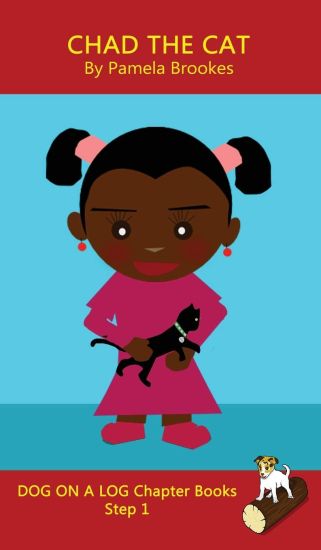
Chad The Cat Chapter Book

Chad The Cat Chapter Book

Pamela Brookes

Dog on a Log Books
2020
sidottu
The DOG ON A LOG Book series helps kids, including kids with dyslexia, learn to read. They are sound out books that start with just a few phonics rules. Each following Step of books adds a few more phonics rules and sight words. This gradual progression helps kids learn to read without feeling so overwhelmed. The word list below will help you decide where in the series your child should start. For added practice, free printable game boards, flashcards, handwriting sheets, and more can be downloaded from dogonalogbooks.com.The (purple) Let's GO books have less text for new or less confident readers. The (red) chapter books are longer for more reading practice. Kids enjoy these stories that get more complex and longer as more phonics are added throughout the series.Books can be purchased individually or as collection volumes. This is an individual volume of Step 1 Chapter Book.Additional information on using this series is available in the e-book HOW TO USE DECODABLE BOOKS TO TEACH READING. It can also be read for free at dogonalogbooks.com/free.DOG ON A LOG Books follow a structured literacy/Orton Gillingham phonics progression.DOG ON A LOG "What Step Should We Start With?" Word List Have your child read the following words. If they can't read every word in a Step, that is probably the step they should start with. For some kids, you may want to start at an earlier Step so they can build confidence in their reading ability.Step 1 fin, mash, sock, sub, cat, that, Dan'sStep 2 less, bats, tell, mall, chips, whiff, fallsStep 3 bangs, dank, honk, pings, chunk, sink, gong, rungsStep 4 silk, fluff, smash, krill, drop, slim, whiskStep 5 hunch, crate, rake, tote, inch, mote, limeStep 6child, molts, fold, hind, jolt, post, coldsStep 7 strive, scrape, splint, twists, crunch, prints, blendStep 8 finish, denim, within, bathtub, sunset, medic, habitStep 9 hundred, goldfinch, free, wheat, inhale, play, JoeStep 10 be, remake, spry, repeat, silo, sometime, pinwheelMany early reader books or leveled books are written so they cannot be sounded out. Kids often struggle and grow frustrated when they can't sound out the words. However, kids who have been taught the phonics in DOG ON A LOG Books can be proud when they are able to sound out and read almost every word.Paper books have black and white images. The books are optimized for learners with dyslexia. They have cream colored paper and large Verdana font. Research has shown Verdana is one of the most dyslexia-friendly fonts.More DOG ON A LOG Books: DOG ON A LOG Pup Books ---Before the Squiggle Code (Pre-Reading Skills) ---The Squiggle Code (Learning Letters and Words) ---Kids' Squiggles (First Stories)DOG ON A LOG Parent and Teacher Guides ---Teaching a Struggling Reader: One Mom's Experience with Dyslexia ---How to Use Decodable Books to Teach ReadingYou can read the complete DOG ON A LOG Phonics Progression (Scope and Sequence) at www (dot) dogonalogbooks.com/about-dog-on-a-log-books/phonics-progression/Youi can print a copy of the Quick Assessment Tool ("What Step Should We Start With?" Word List) at www (dot) dogonalogbooks.com/how-to-use/assessment-tool/WATCH FOR MORE STEPS AND BOOKS COMING SOON
Zip The Bug Chapter Book

Zip The Bug Chapter Book

Pamela Brookes

Dog on a Log Books
2020
sidottu
The DOG ON A LOG Book series helps kids, including kids with dyslexia, learn to read. They are sound out books that start with just a few phonics rules. Each following Step of books adds a few more phonics rules and sight words. This gradual progression helps kids learn to read without feeling so overwhelmed. The word list below will help you decide where in the series your child should start. For added practice, free printable game boards, flashcards, handwriting sheets, and more can be downloaded from dogonalogbooks.com.The (purple) Let's GO books have less text for new or less confident readers. The (red) chapter books are longer for more reading practice. Kids enjoy these stories that get more complex and longer as more phonics are added throughout the series.Books can be purchased individually or as collection volumes. This is an individual volume of Step 1 Chapter Book.Additional information on using this series is available in the e-book HOW TO USE DECODABLE BOOKS TO TEACH READING. It can also be read for free at dogonalogbooks.com/free.DOG ON A LOG Books follow a structured literacy/Orton Gillingham phonics progression.DOG ON A LOG "What Step Should We Start With?" Word List Have your child read the following words. If they can't read every word in a Step, that is probably the step they should start with. For some kids, you may want to start at an earlier Step so they can build confidence in their reading ability.Step 1 fin, mash, sock, sub, cat, that, Dan'sStep 2 less, bats, tell, mall, chips, whiff, fallsStep 3 bangs, dank, honk, pings, chunk, sink, gong, rungsStep 4 silk, fluff, smash, krill, drop, slim, whiskStep 5 hunch, crate, rake, tote, inch, mote, limeStep 6child, molts, fold, hind, jolt, post, coldsStep 7 strive, scrape, splint, twists, crunch, prints, blendStep 8 finish, denim, within, bathtub, sunset, medic, habitStep 9 hundred, goldfinch, free, wheat, inhale, play, JoeStep 10 be, remake, spry, repeat, silo, sometime, pinwheelMany early reader books or leveled books are written so they cannot be sounded out. Kids often struggle and grow frustrated when they can't sound out the words. However, kids who have been taught the phonics in DOG ON A LOG Books can be proud when they are able to sound out and read almost every word.Paper books have black and white images. The books are optimized for learners with dyslexia. They have cream colored paper and large Verdana font. Research has shown Verdana is one of the most dyslexia-friendly fonts.More DOG ON A LOG Books: DOG ON A LOG Pup Books ---Before the Squiggle Code (Pre-Reading Skills) ---The Squiggle Code (Learning Letters and Words) ---Kids' Squiggles (First Stories)DOG ON A LOG Parent and Teacher Guides ---Teaching a Struggling Reader: One Mom's Experience with Dyslexia ---How to Use Decodable Books to Teach ReadingYou can read the complete DOG ON A LOG Phonics Progression (Scope and Sequence) at www (dot) dogonalogbooks.com/about-dog-on-a-log-books/phonics-progression/Youi can print a copy of the Quick Assessment Tool ("What Step Should We Start With?" Word List) at www (dot) dogonalogbooks.com/how-to-use/assessment-tool/WATCH FOR MORE STEPS AND BOOKS COMING SOON
The Fish and The Pig Chapter Book

The Fish and The Pig Chapter Book

Pamela Brookes

Dog on a Log Books
2020
sidottu
The DOG ON A LOG Book series helps kids, including kids with dyslexia, learn to read. They are sound out books that start with just a few phonics rules. Each following Step of books adds a few more phonics rules and sight words. This gradual progression helps kids learn to read without feeling so overwhelmed. The word list below will help you decide where in the series your child should start. For added practice, free printable game boards, flashcards, handwriting sheets, and more can be downloaded from dogonalogbooks.com.The (purple) Let's GO books have less text for new or less confident readers. The (red) chapter books are longer for more reading practice. Kids enjoy these stories that get more complex and longer as more phonics are added throughout the series.Books can be purchased individually or as collection volumes. This is an individual volume of Step 1 Chapter Book.Additional information on using this series is available in the e-book HOW TO USE DECODABLE BOOKS TO TEACH READING. It can also be read for free at dogonalogbooks.com/free.DOG ON A LOG Books follow a structured literacy/Orton Gillingham phonics progression.DOG ON A LOG "What Step Should We Start With?" Word List Have your child read the following words. If they can't read every word in a Step, that is probably the step they should start with. For some kids, you may want to start at an earlier Step so they can build confidence in their reading ability.Step 1 fin, mash, sock, sub, cat, that, Dan'sStep 2 less, bats, tell, mall, chips, whiff, fallsStep 3 bangs, dank, honk, pings, chunk, sink, gong, rungsStep 4 silk, fluff, smash, krill, drop, slim, whiskStep 5 hunch, crate, rake, tote, inch, mote, limeStep 6child, molts, fold, hind, jolt, post, coldsStep 7 strive, scrape, splint, twists, crunch, prints, blendStep 8 finish, denim, within, bathtub, sunset, medic, habitStep 9 hundred, goldfinch, free, wheat, inhale, play, JoeStep 10 be, remake, spry, repeat, silo, sometime, pinwheelMany early reader books or leveled books are written so they cannot be sounded out. Kids often struggle and grow frustrated when they can't sound out the words. However, kids who have been taught the phonics in DOG ON A LOG Books can be proud when they are able to sound out and read almost every word.Paper books have black and white images. The books are optimized for learners with dyslexia. They have cream colored paper and large Verdana font. Research has shown Verdana is one of the most dyslexia-friendly fonts.More DOG ON A LOG Books: DOG ON A LOG Pup Books ---Before the Squiggle Code (Pre-Reading Skills) ---The Squiggle Code (Learning Letters and Words) ---Kids' Squiggles (First Stories)DOG ON A LOG Parent and Teacher Guides ---Teaching a Struggling Reader: One Mom's Experience with Dyslexia ---How to Use Decodable Books to Teach ReadingYou can read the complete DOG ON A LOG Phonics Progression (Scope and Sequence) at www (dot) dogonalogbooks.com/about-dog-on-a-log-books/phonics-progression/Youi can print a copy of the Quick Assessment Tool ("What Step Should We Start With?" Word List) at www (dot) dogonalogbooks.com/how-to-use/assessment-tool/WATCH FOR MORE STEPS AND BOOKS COMING SOON
Mud On The Path Chapter Book

Mud On The Path Chapter Book

Pamela Brookes

Dog on a Log Books
2020
sidottu
The DOG ON A LOG Book series helps kids, including kids with dyslexia, learn to read. They are sound out books that start with just a few phonics rules. Each following Step of books adds a few more phonics rules and sight words. This gradual progression helps kids learn to read without feeling so overwhelmed. The word list below will help you decide where in the series your child should start. For added practice, free printable game boards, flashcards, handwriting sheets, and more can be downloaded from dogonalogbooks.com.The (purple) Let's GO books have less text for new or less confident readers. The (red) chapter books are longer for more reading practice. Kids enjoy these stories that get more complex and longer as more phonics are added throughout the series.Books can be purchased individually or as collection volumes. This is an individual volume of Step 2 Chapter Book.Additional information on using this series is available in the e-book HOW TO USE DECODABLE BOOKS TO TEACH READING. It can also be read for free at dogonalogbooks.com/free.DOG ON A LOG Books follow a structured literacy/Orton Gillingham phonics progression.DOG ON A LOG "What Step Should We Start With?" Word List Have your child read the following words. If they can't read every word in a Step, that is probably the step they should start with. For some kids, you may want to start at an earlier Step so they can build confidence in their reading ability.Step 1 fin, mash, sock, sub, cat, that, Dan'sStep 2 less, bats, tell, mall, chips, whiff, fallsStep 3 bangs, dank, honk, pings, chunk, sink, gong, rungsStep 4 silk, fluff, smash, krill, drop, slim, whiskStep 5 hunch, crate, rake, tote, inch, mote, limeStep 6child, molts, fold, hind, jolt, post, coldsStep 7 strive, scrape, splint, twists, crunch, prints, blendStep 8 finish, denim, within, bathtub, sunset, medic, habitStep 9 hundred, goldfinch, free, wheat, inhale, play, JoeStep 10 be, remake, spry, repeat, silo, sometime, pinwheelMany early reader books or leveled books are written so they cannot be sounded out. Kids often struggle and grow frustrated when they can't sound out the words. However, kids who have been taught the phonics in DOG ON A LOG Books can be proud when they are able to sound out and read almost every word.Paper books have black and white images. The books are optimized for learners with dyslexia. They have cream colored paper and large Verdana font. Research has shown Verdana is one of the most dyslexia-friendly fonts.More DOG ON A LOG Books: DOG ON A LOG Pup Books ---Before the Squiggle Code (Pre-Reading Skills) ---The Squiggle Code (Learning Letters and Words) ---Kids' Squiggles (First Stories)DOG ON A LOG Parent and Teacher Guides ---Teaching a Struggling Reader: One Mom's Experience with Dyslexia ---How to Use Decodable Books to Teach ReadingYou can read the complete DOG ON A LOG Phonics Progression (Scope and Sequence) at www (dot) dogonalogbooks.com/about-dog-on-a-log-books/phonics-progression/Youi can print a copy of the Quick Assessment Tool ("What Step Should We Start With?" Word List) at www (dot) dogonalogbooks.com/how-to-use/assessment-tool/WATCH FOR MORE STEPS AND BOOKS COMING SOON
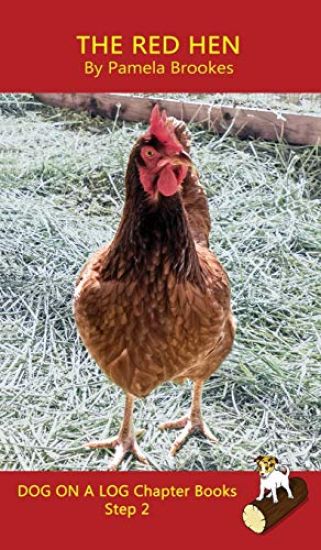
The Red Hen Chapter Book

The Red Hen Chapter Book

Pamela Brookes

Dog on a Log Books
2020
sidottu
The DOG ON A LOG Book series helps kids, including kids with dyslexia, learn to read. They are sound out books that start with just a few phonics rules. Each following Step of books adds a few more phonics rules and sight words. This gradual progression helps kids learn to read without feeling so overwhelmed. The word list below will help you decide where in the series your child should start. For added practice, free printable game boards, flashcards, handwriting sheets, and more can be downloaded from dogonalogbooks.com.The (purple) Let's GO books have less text for new or less confident readers. The (red) chapter books are longer for more reading practice. Kids enjoy these stories that get more complex and longer as more phonics are added throughout the series.Books can be purchased individually or as collection volumes. This is an individual volume of Step 2 Chapter Book.Additional information on using this series is available in the e-book HOW TO USE DECODABLE BOOKS TO TEACH READING. It can also be read for free at dogonalogbooks.com/free.DOG ON A LOG Books follow a structured literacy/Orton Gillingham phonics progression.DOG ON A LOG "What Step Should We Start With?" Word List Have your child read the following words. If they can't read every word in a Step, that is probably the step they should start with. For some kids, you may want to start at an earlier Step so they can build confidence in their reading ability.Step 1 fin, mash, sock, sub, cat, that, Dan'sStep 2 less, bats, tell, mall, chips, whiff, fallsStep 3 bangs, dank, honk, pings, chunk, sink, gong, rungsStep 4 silk, fluff, smash, krill, drop, slim, whiskStep 5 hunch, crate, rake, tote, inch, mote, limeStep 6child, molts, fold, hind, jolt, post, coldsStep 7 strive, scrape, splint, twists, crunch, prints, blendStep 8 finish, denim, within, bathtub, sunset, medic, habitStep 9 hundred, goldfinch, free, wheat, inhale, play, JoeStep 10 be, remake, spry, repeat, silo, sometime, pinwheelMany early reader books or leveled books are written so they cannot be sounded out. Kids often struggle and grow frustrated when they can't sound out the words. However, kids who have been taught the phonics in DOG ON A LOG Books can be proud when they are able to sound out and read almost every word.Paper books have black and white images. The books are optimized for learners with dyslexia. They have cream colored paper and large Verdana font. Research has shown Verdana is one of the most dyslexia-friendly fonts.More DOG ON A LOG Books: DOG ON A LOG Pup Books ---Before the Squiggle Code (Pre-Reading Skills) ---The Squiggle Code (Learning Letters and Words) ---Kids' Squiggles (First Stories)DOG ON A LOG Parent and Teacher Guides ---Teaching a Struggling Reader: One Mom's Experience with Dyslexia ---How to Use Decodable Books to Teach ReadingYou can read the complete DOG ON A LOG Phonics Progression (Scope and Sequence) at www (dot) dogonalogbooks.com/about-dog-on-a-log-books/phonics-progression/Youi can print a copy of the Quick Assessment Tool ("What Step Should We Start With?" Word List) at www (dot) dogonalogbooks.com/how-to-use/assessment-tool/WATCH FOR MORE STEPS AND BOOKS COMING SOON
The Hat And Bug Shop Chapter Book

The Hat And Bug Shop Chapter Book

Pamela Brookes

Dog on a Log Books
2020
sidottu
The DOG ON A LOG Book series helps kids, including kids with dyslexia, learn to read. They are sound out books that start with just a few phonics rules. Each following Step of books adds a few more phonics rules and sight words. This gradual progression helps kids learn to read without feeling so overwhelmed. The word list below will help you decide where in the series your child should start. For added practice, free printable game boards, flashcards, handwriting sheets, and more can be downloaded from dogonalogbooks.com.The (purple) Let's GO books have less text for new or less confident readers. The (red) chapter books are longer for more reading practice. Kids enjoy these stories that get more complex and longer as more phonics are added throughout the series.Books can be purchased individually or as collection volumes. This is an individual volume of Step 2 Chapter Book.Additional information on using this series is available in the e-book HOW TO USE DECODABLE BOOKS TO TEACH READING. It can also be read for free at dogonalogbooks.com/free.DOG ON A LOG Books follow a structured literacy/Orton Gillingham phonics progression.DOG ON A LOG "What Step Should We Start With?" Word List Have your child read the following words. If they can't read every word in a Step, that is probably the step they should start with. For some kids, you may want to start at an earlier Step so they can build confidence in their reading ability.Step 1 fin, mash, sock, sub, cat, that, Dan'sStep 2 less, bats, tell, mall, chips, whiff, fallsStep 3 bangs, dank, honk, pings, chunk, sink, gong, rungsStep 4 silk, fluff, smash, krill, drop, slim, whiskStep 5 hunch, crate, rake, tote, inch, mote, limeStep 6child, molts, fold, hind, jolt, post, coldsStep 7 strive, scrape, splint, twists, crunch, prints, blendStep 8 finish, denim, within, bathtub, sunset, medic, habitStep 9 hundred, goldfinch, free, wheat, inhale, play, JoeStep 10 be, remake, spry, repeat, silo, sometime, pinwheelMany early reader books or leveled books are written so they cannot be sounded out. Kids often struggle and grow frustrated when they can't sound out the words. However, kids who have been taught the phonics in DOG ON A LOG Books can be proud when they are able to sound out and read almost every word.Paper books have black and white images. The books are optimized for learners with dyslexia. They have cream colored paper and large Verdana font. Research has shown Verdana is one of the most dyslexia-friendly fonts.More DOG ON A LOG Books: DOG ON A LOG Pup Books ---Before the Squiggle Code (Pre-Reading Skills) ---The Squiggle Code (Learning Letters and Words) ---Kids' Squiggles (First Stories)DOG ON A LOG Parent and Teacher Guides ---Teaching a Struggling Reader: One Mom's Experience with Dyslexia ---How to Use Decodable Books to Teach ReadingYou can read the complete DOG ON A LOG Phonics Progression (Scope and Sequence) at www (dot) dogonalogbooks.com/about-dog-on-a-log-books/phonics-progression/Youi can print a copy of the Quick Assessment Tool ("What Step Should We Start With?" Word List) at www (dot) dogonalogbooks.com/how-to-use/assessment-tool/WATCH FOR MORE STEPS AND BOOKS COMING SOON
Babs The 'Bot Chapter Book

Babs The 'Bot Chapter Book

Pamela Brookes

Dog on a Log Books
2020
sidottu
The DOG ON A LOG Book series helps kids, including kids with dyslexia, learn to read. They are sound out books that start with just a few phonics rules. Each following Step of books adds a few more phonics rules and sight words. This gradual progression helps kids learn to read without feeling so overwhelmed. The word list below will help you decide where in the series your child should start. For added practice, free printable game boards, flashcards, handwriting sheets, and more can be downloaded from dogonalogbooks.com.The (purple) Let's GO books have less text for new or less confident readers. The (red) chapter books are longer for more reading practice. Kids enjoy these stories that get more complex and longer as more phonics are added throughout the series.Books can be purchased individually or as collection volumes. This is an individual volume of Step 2 Chapter Book.Additional information on using this series is available in the e-book HOW TO USE DECODABLE BOOKS TO TEACH READING. It can also be read for free at dogonalogbooks.com/free.DOG ON A LOG Books follow a structured literacy/Orton Gillingham phonics progression.DOG ON A LOG "What Step Should We Start With?" Word List Have your child read the following words. If they can't read every word in a Step, that is probably the step they should start with. For some kids, you may want to start at an earlier Step so they can build confidence in their reading ability.Step 1 fin, mash, sock, sub, cat, that, Dan'sStep 2 less, bats, tell, mall, chips, whiff, fallsStep 3 bangs, dank, honk, pings, chunk, sink, gong, rungsStep 4 silk, fluff, smash, krill, drop, slim, whiskStep 5 hunch, crate, rake, tote, inch, mote, limeStep 6child, molts, fold, hind, jolt, post, coldsStep 7 strive, scrape, splint, twists, crunch, prints, blendStep 8 finish, denim, within, bathtub, sunset, medic, habitStep 9 hundred, goldfinch, free, wheat, inhale, play, JoeStep 10 be, remake, spry, repeat, silo, sometime, pinwheelMany early reader books or leveled books are written so they cannot be sounded out. Kids often struggle and grow frustrated when they can't sound out the words. However, kids who have been taught the phonics in DOG ON A LOG Books can be proud when they are able to sound out and read almost every word.Paper books have black and white images. The books are optimized for learners with dyslexia. They have cream colored paper and large Verdana font. Research has shown Verdana is one of the most dyslexia-friendly fonts.More DOG ON A LOG Books: DOG ON A LOG Pup Books ---Before the Squiggle Code (Pre-Reading Skills) ---The Squiggle Code (Learning Letters and Words) ---Kids' Squiggles (First Stories)DOG ON A LOG Parent and Teacher Guides ---Teaching a Struggling Reader: One Mom's Experience with Dyslexia ---How to Use Decodable Books to Teach ReadingYou can read the complete DOG ON A LOG Phonics Progression (Scope and Sequence) at www (dot) dogonalogbooks.com/about-dog-on-a-log-books/phonics-progression/Youi can print a copy of the Quick Assessment Tool ("What Step Should We Start With?" Word List) at www (dot) dogonalogbooks.com/how-to-use/assessment-tool/WATCH FOR MORE STEPS AND BOOKS COMING SOON
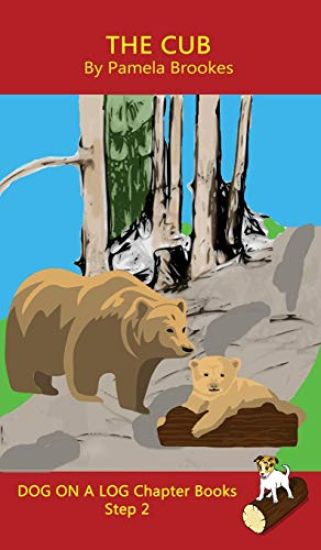
The Cub Chapter Book

The Cub Chapter Book

Pamela Brookes

Dog on a Log Books
2020
sidottu
The DOG ON A LOG Book series helps kids, including kids with dyslexia, learn to read. They are sound out books that start with just a few phonics rules. Each following Step of books adds a few more phonics rules and sight words. This gradual progression helps kids learn to read without feeling so overwhelmed. The word list below will help you decide where in the series your child should start. For added practice, free printable game boards, flashcards, handwriting sheets, and more can be downloaded from dogonalogbooks.com.The (purple) Let's GO books have less text for new or less confident readers. The (red) chapter books are longer for more reading practice. Kids enjoy these stories that get more complex and longer as more phonics are added throughout the series.Books can be purchased individually or as collection volumes. This is an individual volume of Step 2 Chapter Book.Additional information on using this series is available in the e-book HOW TO USE DECODABLE BOOKS TO TEACH READING. It can also be read for free at dogonalogbooks.com/free.DOG ON A LOG Books follow a structured literacy/Orton Gillingham phonics progression.DOG ON A LOG "What Step Should We Start With?" Word List Have your child read the following words. If they can't read every word in a Step, that is probably the step they should start with. For some kids, you may want to start at an earlier Step so they can build confidence in their reading ability.Step 1 fin, mash, sock, sub, cat, that, Dan'sStep 2 less, bats, tell, mall, chips, whiff, fallsStep 3 bangs, dank, honk, pings, chunk, sink, gong, rungsStep 4 silk, fluff, smash, krill, drop, slim, whiskStep 5 hunch, crate, rake, tote, inch, mote, limeStep 6child, molts, fold, hind, jolt, post, coldsStep 7 strive, scrape, splint, twists, crunch, prints, blendStep 8 finish, denim, within, bathtub, sunset, medic, habitStep 9 hundred, goldfinch, free, wheat, inhale, play, JoeStep 10 be, remake, spry, repeat, silo, sometime, pinwheelMany early reader books or leveled books are written so they cannot be sounded out. Kids often struggle and grow frustrated when they can't sound out the words. However, kids who have been taught the phonics in DOG ON A LOG Books can be proud when they are able to sound out and read almost every word.Paper books have black and white images. The books are optimized for learners with dyslexia. They have cream colored paper and large Verdana font. Research has shown Verdana is one of the most dyslexia-friendly fonts.More DOG ON A LOG Books: DOG ON A LOG Pup Books ---Before the Squiggle Code (Pre-Reading Skills) ---The Squiggle Code (Learning Letters and Words) ---Kids' Squiggles (First Stories)DOG ON A LOG Parent and Teacher Guides ---Teaching a Struggling Reader: One Mom's Experience with Dyslexia ---How to Use Decodable Books to Teach ReadingYou can read the complete DOG ON A LOG Phonics Progression (Scope and Sequence) at www (dot) dogonalogbooks.com/about-dog-on-a-log-books/phonics-progression/Youi can print a copy of the Quick Assessment Tool ("What Step Should We Start With?" Word List) at www (dot) dogonalogbooks.com/how-to-use/assessment-tool/WATCH FOR MORE STEPS AND BOOKS COMING SOON
Mr. Bing Has Hen Dots Chapter Book

Mr. Bing Has Hen Dots Chapter Book

Pamela Brookes

Dog on a Log Books
2020
sidottu
The DOG ON A LOG Book series helps kids, including kids with dyslexia, learn to read. They are sound out books that start with just a few phonics rules. Each following Step of books adds a few more phonics rules and sight words. This gradual progression helps kids learn to read without feeling so overwhelmed. The word list below will help you decide where in the series your child should start. For added practice, free printable game boards, flashcards, handwriting sheets, and more can be downloaded from dogonalogbooks.com.The (purple) Let's GO books have less text for new or less confident readers. The (red) chapter books are longer for more reading practice. Kids enjoy these stories that get more complex and longer as more phonics are added throughout the series.Books can be purchased individually or as collection volumes. This is an individual volume of Step 3 Chapter Book.Additional information on using this series is available in the e-book HOW TO USE DECODABLE BOOKS TO TEACH READING. It can also be read for free at dogonalogbooks.com/free.DOG ON A LOG Books follow a structured literacy/Orton Gillingham phonics progression.DOG ON A LOG "What Step Should We Start With?" Word List Have your child read the following words. If they can't read every word in a Step, that is probably the step they should start with. For some kids, you may want to start at an earlier Step so they can build confidence in their reading ability.Step 1 fin, mash, sock, sub, cat, that, Dan'sStep 2 less, bats, tell, mall, chips, whiff, fallsStep 3 bangs, dank, honk, pings, chunk, sink, gong, rungsStep 4 silk, fluff, smash, krill, drop, slim, whiskStep 5 hunch, crate, rake, tote, inch, mote, limeStep 6child, molts, fold, hind, jolt, post, coldsStep 7 strive, scrape, splint, twists, crunch, prints, blendStep 8 finish, denim, within, bathtub, sunset, medic, habitStep 9 hundred, goldfinch, free, wheat, inhale, play, JoeStep 10 be, remake, spry, repeat, silo, sometime, pinwheelMany early reader books or leveled books are written so they cannot be sounded out. Kids often struggle and grow frustrated when they can't sound out the words. However, kids who have been taught the phonics in DOG ON A LOG Books can be proud when they are able to sound out and read almost every word.Paper books have black and white images. The books are optimized for learners with dyslexia. They have cream colored paper and large Verdana font. Research has shown Verdana is one of the most dyslexia-friendly fonts.More DOG ON A LOG Books: DOG ON A LOG Pup Books ---Before the Squiggle Code (Pre-Reading Skills) ---The Squiggle Code (Learning Letters and Words) ---Kids' Squiggles (First Stories)DOG ON A LOG Parent and Teacher Guides ---Teaching a Struggling Reader: One Mom's Experience with Dyslexia ---How to Use Decodable Books to Teach ReadingYou can read the complete DOG ON A LOG Phonics Progression (Scope and Sequence) at www (dot) dogonalogbooks.com/about-dog-on-a-log-books/phonics-progression/Youi can print a copy of the Quick Assessment Tool ("What Step Should We Start With?" Word List) at www (dot) dogonalogbooks.com/how-to-use/assessment-tool/WATCH FOR MORE STEPS AND BOOKS COMING SOON
The Junk Lot Cat Chapter Book

The Junk Lot Cat Chapter Book

Pamela Brookes

Dog on a Log Books
2020
sidottu
The DOG ON A LOG Book series helps kids, including kids with dyslexia, learn to read. They are sound out books that start with just a few phonics rules. Each following Step of books adds a few more phonics rules and sight words. This gradual progression helps kids learn to read without feeling so overwhelmed. The word list below will help you decide where in the series your child should start. For added practice, free printable game boards, flashcards, handwriting sheets, and more can be downloaded from dogonalogbooks.com.The (purple) Let's GO books have less text for new or less confident readers. The (red) chapter books are longer for more reading practice. Kids enjoy these stories that get more complex and longer as more phonics are added throughout the series.Books can be purchased individually or as collection volumes. This is an individual volume of Step 3 Chapter Book.Additional information on using this series is available in the e-book HOW TO USE DECODABLE BOOKS TO TEACH READING. It can also be read for free at dogonalogbooks.com/free.DOG ON A LOG Books follow a structured literacy/Orton Gillingham phonics progression.DOG ON A LOG "What Step Should We Start With?" Word List Have your child read the following words. If they can't read every word in a Step, that is probably the step they should start with. For some kids, you may want to start at an earlier Step so they can build confidence in their reading ability.Step 1 fin, mash, sock, sub, cat, that, Dan'sStep 2 less, bats, tell, mall, chips, whiff, fallsStep 3 bangs, dank, honk, pings, chunk, sink, gong, rungsStep 4 silk, fluff, smash, krill, drop, slim, whiskStep 5 hunch, crate, rake, tote, inch, mote, limeStep 6child, molts, fold, hind, jolt, post, coldsStep 7 strive, scrape, splint, twists, crunch, prints, blendStep 8 finish, denim, within, bathtub, sunset, medic, habitStep 9 hundred, goldfinch, free, wheat, inhale, play, JoeStep 10 be, remake, spry, repeat, silo, sometime, pinwheelMany early reader books or leveled books are written so they cannot be sounded out. Kids often struggle and grow frustrated when they can't sound out the words. However, kids who have been taught the phonics in DOG ON A LOG Books can be proud when they are able to sound out and read almost every word.Paper books have black and white images. The books are optimized for learners with dyslexia. They have cream colored paper and large Verdana font. Research has shown Verdana is one of the most dyslexia-friendly fonts.More DOG ON A LOG Books: DOG ON A LOG Pup Books ---Before the Squiggle Code (Pre-Reading Skills) ---The Squiggle Code (Learning Letters and Words) ---Kids' Squiggles (First Stories)DOG ON A LOG Parent and Teacher Guides ---Teaching a Struggling Reader: One Mom's Experience with Dyslexia ---How to Use Decodable Books to Teach ReadingYou can read the complete DOG ON A LOG Phonics Progression (Scope and Sequence) at www (dot) dogonalogbooks.com/about-dog-on-a-log-books/phonics-progression/Youi can print a copy of the Quick Assessment Tool ("What Step Should We Start With?" Word List) at www (dot) dogonalogbooks.com/how-to-use/assessment-tool/WATCH FOR MORE STEPS AND BOOKS COMING SOON