Kirjojen hintavertailu. Mukana 11 699 587 kirjaa ja 12 kauppaa.

Kirjahaku

Etsi kirjoja tekijän nimen, kirjan nimen tai ISBN:n perusteella.

3 kirjaa tekijältä Patricia Clavin

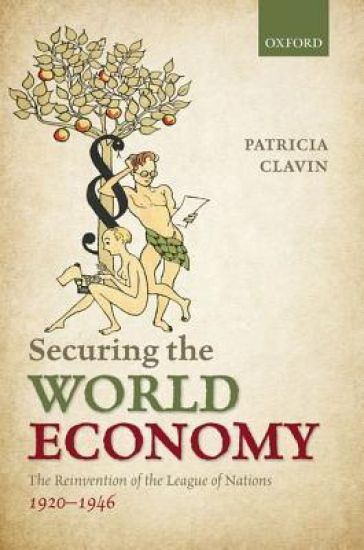
Securing the World Economy

Securing the World Economy

Patricia Clavin

Oxford University Press
2015
nidottu
Securing the World Economy explains how efforts to support global capitalism became a core objective of the League of Nations. Based on new research drawn together from archives on three continents, it explores how the world's first ever inter-governmental organization confronted the powerful forces that influenced the global economy, and the prospects for peace. It traces how the League was drawn into economics and finance by the exigencies of the financial slump and hyperinflation after the First World War, when it provided essential financial support to Austria, Hungary, Greece, Bulgaria, and Estonia, and thereby established the founding principles of financial intervention, international oversight, and the twentieth-century notion of international 'development'. But it is the impact of the Great Depression after 1929 that lies at the heart of this history. Patricia Clavin traces how the League of Nations sought to combat economic nationalism and promote economic and monetary co-operation in a variety of, sometimes contradictory, ways. Many of the economists, bureaucrats, and policy-advisors who worked for it played a seminal role in the history of international relations and social science, and their efforts did not end with the outbreak of the Second World War. In 1940 the League established an economic mission in the United States, where it contributed to the creation of organizations for the post-war world - the United Nations Organization, the IMF, the World Bank, the UN Food and Agriculture Organization - as well as to plans for European reconstruction and co-operation. It is a history that resonates deeply with challenges that face the twenty-first century world.
Securing the World Economy

Securing the World Economy

Patricia Clavin

Oxford University Press
2013
sidottu
Securing the World Economy explains how efforts to support global capitalism became a core objective of the League of Nations. Based on new research drawn together from archives on three continents, it explores how the world's first ever inter-governmental organization sought to understand and shape the powerful forces that influenced the global economy, and the prospects for peace. It traces how the League was drawn into economics and finance by the exigencies of the slump and hyperinflation after the First World War, when it provided essential financial support to Austria, Hungary, Greece, Bulgaria, and Estonia and, thereby, established the founding principles of financial intervention, international oversight, and the twentieth-century notion of international 'development'. But it is the impact of the Great Depression after 1929 that lies at the heart of this history. Patricia Clavin traces how the League of Nations sought to combat economic nationalism and promote economic and monetary co-operation in a variety of, sometimes contradictory, ways. Many of the economists, bureaucrats, and policy-advisors who worked for it played a seminal role in the history of international relations and social science, and their efforts did not end with the outbreak of the Second World War. In 1940 the League established an economic mission in the United States, where it contributed to the creation of organizations for the post-war world - the United Nations Organization, the IMF, the World Bank, the UN Food and Agriculture Organization - as well as to plans for European reconstruction and co-operation. It is a history that resonates deeply with challenges that face the Twenty-First Century world.
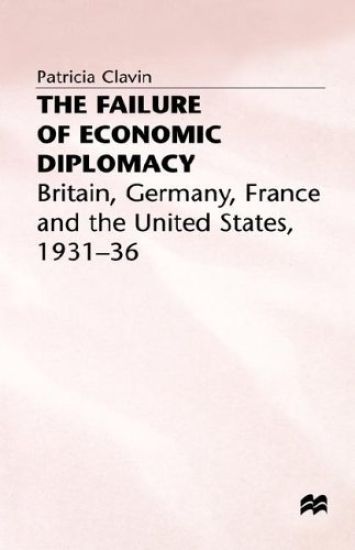
The Failure of Economic Diplomacy

The Failure of Economic Diplomacy

Patricia Clavin

Palgrave Macmillan
1995
sidottu
Based on new archival research, this is the first comprehensive study of the failure of international co-operation to combat the Great Depression. The book explores the impact of protectionism, reparations and war debts, as well as the more well known disagreements on monetary issues which, together, helped to prolong the most profound economic depression of the twentieth century. The economic and diplomatic lessons drawn from this period by the major powers - particularly German intelligence as to the deep divisions in Anglo-American economic relations - also provide an important contribution to understanding the origins of the Second World War and the diplomatic and economic order created in its aftermath.