Kirjojen hintavertailu. Mukana 12 390 323 kirjaa ja 12 kauppaa.

Kirjahaku

Etsi kirjoja tekijän nimen, kirjan nimen tai ISBN:n perusteella.

6 kirjaa tekijältä Patricia Crain

The Story of a

The Story of a

Patricia Crain

Stanford University Press
2000
sidottu
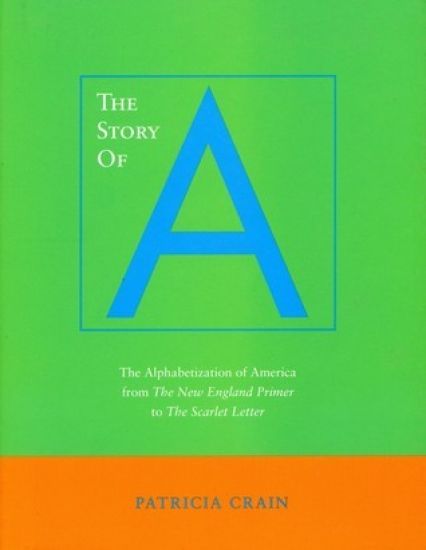
Richly illustrated with often antic images from alphabet books and primers, The Story of A relates the history of the alphabet as a genre of text for children and of alphabetization as a social practice in America, from early modern reading primers to the literature of the American Renaissance. Offering a poetics of alphabetization and explicating the alphabet's tropes and rhetorical strategies, the author demonstrates the far-reaching cultural power of such apparently neutral statements as "A is for apple." The new market for children's books in the eighteenth century established for the "republic of ABC" a cultural potency equivalent to its high-culture counterpart, the "republic of letters," while shaping its child-readers into consumers. As a central rite of socialization, alphabetization schooled children to conflicting expectations, as well as to changing models of authority, understandings of the world, and uses of literature. In the nineteenth century, literacy became a crucial aspect of American middle-class personality and subjectivity. Furnishing the readers and writers needed for a national literature, the alphabetization of America between 1800 and 1850 informed the sentimental-reform novel as well as the self-consciously aesthetic novel of the 1850s. Through readings of conduct manuals, reading primers, and a sentimental bestseller, the author shows how the alphabet became embedded in a maternal narrative, which organized the world through domestic affections. Nathaniel Hawthorne, by contrast, insisted on the artificiality of the alphabet and its practices in his antimimetic, hermetic The Scarlet Letter, with its insistent focus on the letter A. By understanding this novel as part of the network of alphabetization, The Story of A accounts for its uniquely persistent cultural role. The author concludes, in an epilogue, with a reading of postmodern alphabets and their implications for the future of literacy.
The Story of a

The Story of a

Patricia Crain

Stanford University Press
2002
pokkari
Richly illustrated with often antic images from alphabet books and primers, The Story of A relates the history of the alphabet as a genre of text for children and of alphabetization as a social practice in America, from early modern reading primers to the literature of the American Renaissance. Offering a poetics of alphabetization and explicating the alphabet's tropes and rhetorical strategies, the author demonstrates the far-reaching cultural power of such apparently neutral statements as "A is for apple." The new market for children's books in the eighteenth century established for the "republic of ABC" a cultural potency equivalent to its high-culture counterpart, the "republic of letters," while shaping its child-readers into consumers. As a central rite of socialization, alphabetization schooled children to conflicting expectations, as well as to changing models of authority, understandings of the world, and uses of literature. In the nineteenth century, literacy became a crucial aspect of American middle-class personality and subjectivity. Furnishing the readers and writers needed for a national literature, the alphabetization of America between 1800 and 1850 informed the sentimental-reform novel as well as the self-consciously aesthetic novel of the 1850s. Through readings of conduct manuals, reading primers, and a sentimental bestseller, the author shows how the alphabet became embedded in a maternal narrative, which organized the world through domestic affections. Nathaniel Hawthorne, by contrast, insisted on the artificiality of the alphabet and its practices in his antimimetic, hermetic The Scarlet Letter, with its insistent focus on the letter A. By understanding this novel as part of the network of alphabetization, The Story of A accounts for its uniquely persistent cultural role. The author concludes, in an epilogue, with a reading of postmodern alphabets and their implications for the future of literacy.
Reading Children

Reading Children

Patricia Crain

University of Pennsylvania Press
2017
pokkari
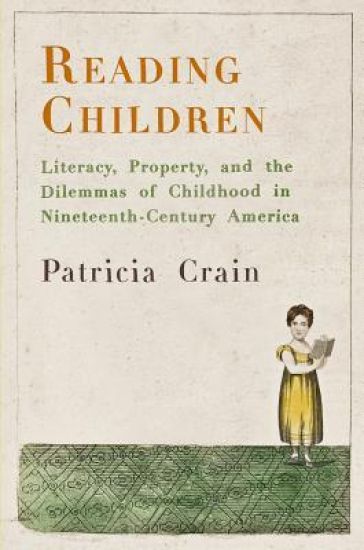
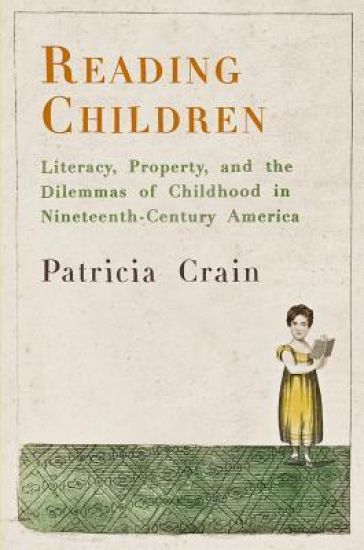
What does it mean for a child to be a "reader" and how did American culture come to place such a high value on this identity? Reading Children offers a history of the relationship between children and books in Anglo-American modernity, exploring long-lived but now forgotten early children's literature, discredited yet highly influential pedagogical practices, the property lessons inherent in children's book ownership, and the emergence of childhood itself as a literary property. The nursery and schoolroom version of the social contract, Crain argues, underwrote children's entry not only into reading and writing but also into a world of commodity and property relations. Increasingly positioned as an indispensable form of cultural capital by the end of the eighteenth century, literacy became both the means and the symbol of children's newly recognized self-possession and autonomy. At the same time, as children's legal and economic status was changing, "childhood" emerged as an object of nostalgia for adults. Literature for children enacted the terms of children's self-possession, often with explicit references to property, contracts, or inheritances, and yet also framed adult longing for an imagined past called "childhood." Dozens of colorful illustrations chart the ways in which early literature for children was transformed into spectacle through new image technologies and a burgeoning marketplace that capitalized on nostalgic fantasies of childhood conflated with bowdlerized fantasies of history. Reading Children offers new terms for thinking about the imbricated and mutually constitutive histories of literacy, property, and childhood in the eighteenth and nineteenth centuries that ground current anxieties and long-held beliefs about childhood and reading.
Reading Children

Reading Children

Patricia Crain

University of Pennsylvania Press
2016
sidottu
What does it mean for a child to be a "reader" and how did American culture come to place such a high value on this identity? Reading Children offers a history of the relationship between children and books in Anglo-American modernity, exploring long-lived but now forgotten early children's literature, discredited yet highly influential pedagogical practices, the property lessons inherent in children's book ownership, and the emergence of childhood itself as a literary property. The nursery and schoolroom version of the social contract, Crain argues, underwrote children's entry not only into reading and writing but also into a world of commodity and property relations. Increasingly positioned as an indispensable form of cultural capital by the end of the eighteenth century, literacy became both the means and the symbol of children's newly recognized self-possession and autonomy. At the same time, as children's legal and economic status was changing, "childhood" emerged as an object of nostalgia for adults. Literature for children enacted the terms of children's self-possession, often with explicit references to property, contracts, or inheritances, and yet also framed adult longing for an imagined past called "childhood." Dozens of colorful illustrations chart the ways in which early literature for children was transformed into spectacle through new image technologies and a burgeoning marketplace that capitalized on nostalgic fantasies of childhood conflated with bowdlerized fantasies of history. Reading Children offers new terms for thinking about the imbricated and mutually constitutive histories of literacy, property, and childhood in the eighteenth and nineteenth centuries that ground current anxieties and long-held beliefs about childhood and reading.
Máquina de Fazer Dinheiro

Máquina de Fazer Dinheiro

Patricia Crain; Victor Rebelo

Victor Rebelo
2019
nidottu
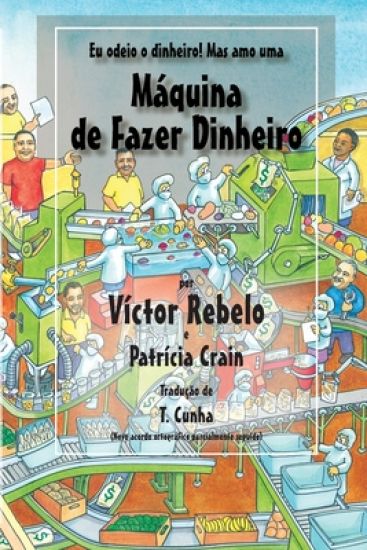
Este um livro sobre um emigrante que deixou Portugal quando era crian a. Quantos n o ter o deixado a terra m e com a mesma idade? Quantos n o ter o enfrentado as mesmas ou mesmo mais dificuldades que V ctor? Quantos n o poderiam tamb m redigir um livro sobre as suas vidas? Por m, poucos teriam a coragem de revelar o bom e o mau das suas vidas, os fracassos e as vit rias, as culpas e as desculpas. V ctor um homem que reconhece o desagrad vel que cometeu, que deseja passar uma li o a muitos jovens, emigrantes ou n o, que enfrentam a vida de uma posi o dif cil. Ele teve sucesso, e outros podem tamb m ter sucesso. E neste desejo relembra e apresenta o desenvolvimento social, pol tico e econ mico dos tr s pa ses onde a sua vida decorreu: Portugal, frica do Sul e Rod sia, hoje Zimbabu . um livro que poderia chamar-se 'esperan a'. Esta a que ficou na caixa de Pandora e sempre a ltima a deixar a nossa alma e os nossos cora es.