Kirjojen hintavertailu. Mukana 11 244 527 kirjaa ja 12 kauppaa.

Kirjahaku

Etsi kirjoja tekijän nimen, kirjan nimen tai ISBN:n perusteella.

8 kirjaa tekijältä Patricia MacCormack

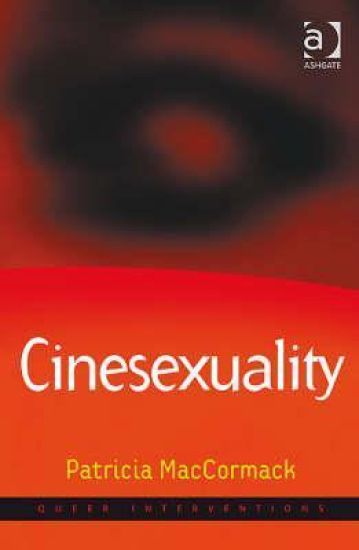
Cinesexuality

Cinesexuality

Patricia MacCormack

Ashgate Publishing Limited
2008
sidottu
Cinesexuality explores the queerness of cinema spectatorship, arguing that cinema spectatorship represents a unique encounter of desire, pleasure and perversion beyond dialectics of subject/object and image/meaning; an extraordinary 'cinesexual' relationship, that encompasses each event of cinema spectatorship in excess of gender, hetero- or homosexuality, encouraging all spectators to challenge traditional notions of what elicits pleasure and constitutes desiring subjectivity. Through a variety of cinematic examples, including abstract film, extreme films and films which present perverse sexuality and corporeal reconfiguration, Cinesexuality encourages a radical shift to spectatorship as itself inherently queer beyond what is watched and who watches. Film as its own form of philosophy invokes spectatorship thought as an ethics of desire. Original, exciting and theoretically sophisticated - focusing on continental philosophy, particularly Guattari, Deleuze, Blanchot, Foucault, Lyotard, Irigaray and Serres - the book will be of interest to scholars and students of queer, gender and feminist studies, film and aesthetics theory, cultural studies, media and communication, post-structural theory and contemporary philosophical thought.
Posthuman Ethics

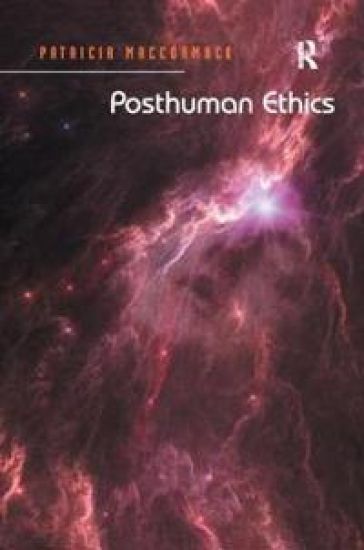
Posthuman Ethics

Patricia MacCormack

Routledge
2017
nidottu
Posthuman theory asks in various ways what it means to be human in a time when philosophy has become suspicious of claims about human subjectivity. Those subjects who were historically considered aberrant, and our future lives becoming increasingly hybrid show we have always been and are continuously transforming into posthumans. What are the ethical considerations of thinking the posthuman? Posthuman Ethics asks not what the posthuman is, but how posthuman theory creates new, imaginative ways of understanding relations between lives. Ethics is a practice of activist, adaptive and creative interaction which avoids claims of overarching moral structures. Inherent in thinking posthuman ethics is the status of bodies as the site of lives inextricable from philosophy, thought, experiments in being and fantasies of the future. Posthuman Ethics explores certain kinds of bodies to think new relations that offer liberty and a contemplation of the practices of power which have been exerted upon bodies. The tattooed and modified body, the body made ecstatic through art, the body of the animal as a strategy for abolitionist animal rights, the monstrous body from teratology to fabulations, queer bodies becoming angelic, the bodies of the nation of the dead and the radical ways in which we might contemplate human extinction are the bodies which populate this book creating joyous political tactics toward posthuman ethics.
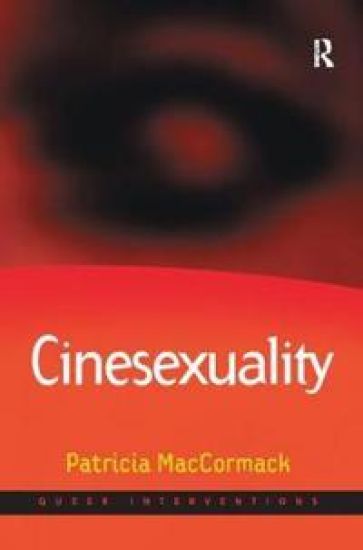
Cinesexuality

Cinesexuality

Patricia MacCormack

Routledge
2017
nidottu
Cinesexuality explores the queerness of cinema spectatorship, arguing that cinema spectatorship represents a unique encounter of desire, pleasure and perversion beyond dialectics of subject/object and image/meaning; an extraordinary 'cinesexual' relationship, that encompasses each event of cinema spectatorship in excess of gender, hetero- or homosexuality, encouraging all spectators to challenge traditional notions of what elicits pleasure and constitutes desiring subjectivity. Through a variety of cinematic examples, including abstract film, extreme films and films which present perverse sexuality and corporeal reconfiguration, Cinesexuality encourages a radical shift to spectatorship as itself inherently queer beyond what is watched and who watches. Film as its own form of philosophy invokes spectatorship thought as an ethics of desire. Original, exciting and theoretically sophisticated - focusing on continental philosophy, particularly Guattari, Deleuze, Blanchot, Foucault, Lyotard, Irigaray and Serres - the book will be of interest to scholars and students of queer, gender and feminist studies, film and aesthetics theory, cultural studies, media and communication, post-structural theory and contemporary philosophical thought.
The Ahuman Manifesto

The Ahuman Manifesto

Patricia MacCormack

Bloomsbury Academic
2020
sidottu
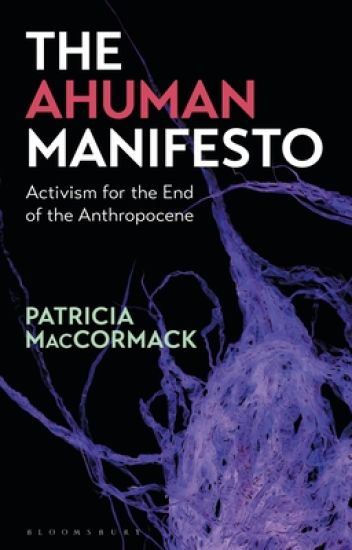
We are in the midst of a growing ecological crisis. Developing technologies and cultural interventions are throwing the status of “human” into question. It is against this context that Patricia McCormack delivers her expert justification for the “ahuman”. An alternative to “posthuman” thought, the term paves the way for thinking that doesn’t dissolve into nihilism and despair, but actively embraces issues like human extinction, vegan abolition, atheist occultism, death studies, a refusal of identity politics, deep ecology, and the apocalypse as an optimistic beginning.In order to suggest vitalistic, perhaps even optimistic, ways to negotiate some of the difficulties in thinking and acting in the world, this book explores five key contemporary themes:· Identity· Spirituality· Art· Death· The apocalypseCollapsing activism, artistic practice and affirmative ethics, while introducing some radical contemporary ideas and addressing specifically modern phenomena like death cults, intersectional identity politics and capitalist enslavement of human and nonhuman organisms to the point of ‘zombiedom’, The Ahuman Manifesto navigates the ways in which we must compose the human differently, specifically beyond nihilism and post- and trans-humanism and outside human privilege. This is so that we can actively think and live viscerally, with connectivity (actual not virtual), and with passion and grace, toward a new world.
The Ahuman Manifesto

The Ahuman Manifesto

Patricia MacCormack

Bloomsbury Academic
2020
nidottu
We are in the midst of a growing ecological crisis. Developing technologies and cultural interventions are throwing the status of “human” into question. It is against this context that Patricia McCormack delivers her expert justification for the “ahuman”. An alternative to “posthuman” thought, the term paves the way for thinking that doesn’t dissolve into nihilism and despair, but actively embraces issues like human extinction, vegan abolition, atheist occultism, death studies, a refusal of identity politics, deep ecology, and the apocalypse as an optimistic beginning.In order to suggest vitalistic, perhaps even optimistic, ways to negotiate some of the difficulties in thinking and acting in the world, this book explores five key contemporary themes:· Identity· Spirituality· Art· Death· The apocalypseCollapsing activism, artistic practice and affirmative ethics, while introducing some radical contemporary ideas and addressing specifically modern phenomena like death cults, intersectional identity politics and capitalist enslavement of human and nonhuman organisms to the point of ‘zombiedom’, The Ahuman Manifesto navigates the ways in which we must compose the human differently, specifically beyond nihilism and post- and trans-humanism and outside human privilege. This is so that we can actively think and live viscerally, with connectivity (actual not virtual), and with passion and grace, toward a new world.
Death Activism

Death Activism

Patricia MacCormack

BLOOMSBURY PUBLISHING PLC
2025
nidottu
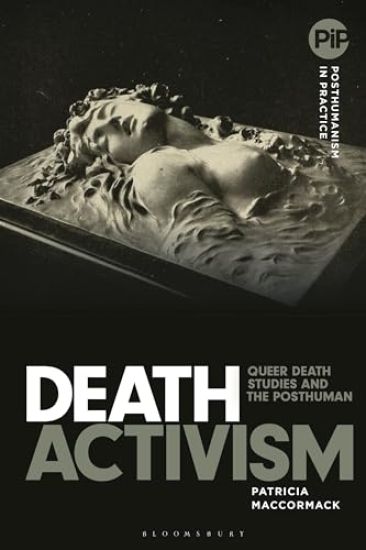
Traditional Western attitudes towards death deal with it as a painful inevitability, something that has to be navigated as a trauma and a taboo. They focus essentially on the ‘management’ of death, an anthropocentric practice prioritising the human life above every other type of existence.Patricia MacCormack explores how we can develop a ‘death activism’ – a variety of tactics and posthuman practices which celebrate death, its inevitability, its forms, from the slow to times of crisis, and how trauma and mourning emerge as their own forms of expression. Crucial to the foundation of death activism is the dissymmetry with which different deaths are met including the mass death of nonhuman animals and ecologies.Death Activism is a feminist, queer, postcolonialist enquiry, that seeks to queer death – making queer our usual familiar death habits and trajectories of thought, toward a jubilant activism that can transform death into a more democratically equal, and a more jubilant force for life.
Death Activism

Death Activism

Patricia MacCormack

BLOOMSBURY PUBLISHING PLC
2025
sidottu
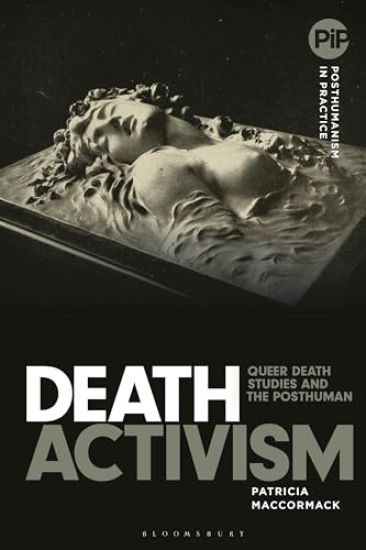
Traditional Western attitudes towards death deal with it as a painful inevitability, something that has to be navigated as a trauma and a taboo. They focus essentially on the ‘management’ of death, an anthropocentric practice prioritising the human life above every other type of existence.Patricia MacCormack explores how we can develop a ‘death activism’ – a variety of tactics and posthuman practices which celebrate death, its inevitability, its forms, from the slow to times of crisis, and how trauma and mourning emerge as their own forms of expression. Crucial to the foundation of death activism is the dissymmetry with which different deaths are met including the mass death of nonhuman animals and ecologies.Death Activism is a feminist, queer, postcolonialist enquiry, that seeks to queer death – making queer our usual familiar death habits and trajectories of thought, toward a jubilant activism that can transform death into a more democratically equal, and a more jubilant force for life.
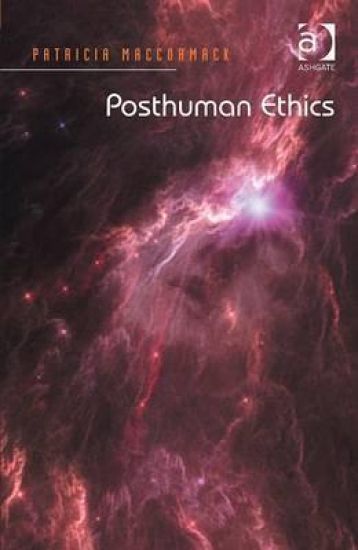
Posthuman Ethics

Posthuman Ethics

Patricia MacCormack

Ashgate Publishing Limited
2012
sidottu
Posthuman theory asks in various ways what it means to be human in a time when philosophy has become suspicious of claims about human subjectivity. Those subjects who were historically considered aberrant, and our future lives becoming increasingly hybrid show we have always been and are continuously transforming into posthumans. What are the ethical considerations of thinking the posthuman? Posthuman Ethics asks not what the posthuman is, but how posthuman theory creates new, imaginative ways of understanding relations between lives. Ethics is a practice of activist, adaptive and creative interaction which avoids claims of overarching moral structures. Inherent in thinking posthuman ethics is the status of bodies as the site of lives inextricable from philosophy, thought, experiments in being and fantasies of the future. Posthuman Ethics explores certain kinds of bodies to think new relations that offer liberty and a contemplation of the practices of power which have been exerted upon bodies. The tattooed and modified body, the body made ecstatic through art, the body of the animal as a strategy for abolitionist animal rights, the monstrous body from teratology to fabulations, queer bodies becoming angelic, the bodies of the nation of the dead and the radical ways in which we might contemplate human extinction are the bodies which populate this book creating joyous political tactics toward posthuman ethics.