Kirjojen hintavertailu. Mukana 12 051 938 kirjaa ja 12 kauppaa.

Kirjahaku

Etsi kirjoja tekijän nimen, kirjan nimen tai ISBN:n perusteella.

6 kirjaa tekijältä Patrick Moser

Surf and Rescue

Surf and Rescue

Patrick Moser

UNIVERSITY OF ILLINOIS PRESS
2022
sidottu
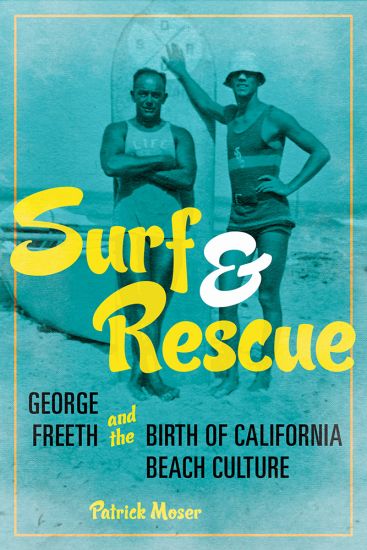
The mixed-race Hawaiian athlete George Freeth brought surfing to Venice, California, in 1907. Over the next twelve years, Freeth taught Southern Californians to surf and swim while creating a modern lifeguard service that transformed the beach into a destination for fun, leisure, and excitement. Patrick Moser places Freeth’s inspiring life story against the rise of the Southern California beach culture he helped shape and define. Freeth made headlines with his rescue of seven fishermen, an act of heroism that highlighted his innovative lifeguarding techniques. But he also founded California's first surf club and coached both male and female athletes, including Olympic swimming champion and “father of modern surfing” Duke Kahanamoku. Often in financial straits, Freeth persevered as a teacher and lifeguarding pioneer--building a legacy that endured long after his death during the 1919 influenza pandemic. A compelling merger of biography and sports history, Surf and Rescue brings to light the forgotten figure whose novel way of seeing the beach sparked the imaginations of people around the world.
Waikiki Dreams

Waikiki Dreams

Patrick Moser

UNIVERSITY OF ILLINOIS PRESS
2024
sidottu
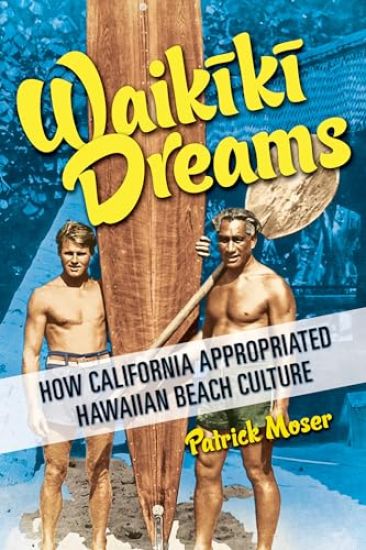
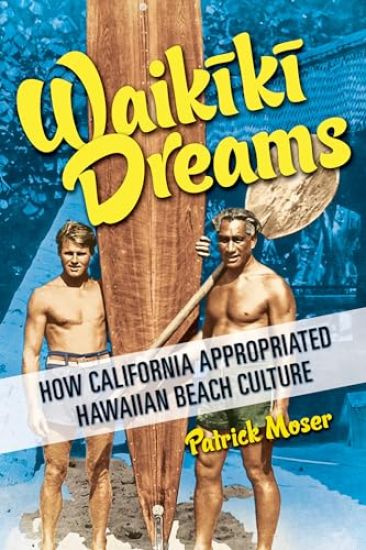
Despite a genuine admiration for Native Hawaiian culture, white Californians of the 1930s ignored authentic relationships with Native Hawaiians. Surfing became a central part of what emerged instead: a beach culture of dressing, dancing, and acting like an Indigenous people whites idealized. Patrick Moser uses surfing to open a door on the cultural appropriation practiced by Depression-era Californians against a backdrop of settler colonialism and white nationalism. Recreating the imagined leisure and romance of life in Waikiki attracted people buffeted by economic crisis and dislocation. California-manufactured objects like surfboards became a physical manifestation of a dream that, for all its charms, emerged from a white impulse to both remove and replace Indigenous peoples. Moser traces the rise of beach culture through the lives of trendsetters Tom Blake, John “Doc” Ball, Preston “Pete” Peterson, Mary Ann Hawkins, and Lorrin “Whitey” Harrison while also delving into California’s control over images of Native Hawaiians via movies, tourism, and the surfboard industry. Compelling and innovative, Waikiki Dreams opens up the origins of a defining California subculture.
Surf and Rescue

Surf and Rescue

Patrick Moser

UNIVERSITY OF ILLINOIS PRESS
2022
nidottu
The mixed-race Hawaiian athlete George Freeth brought surfing to Venice, California, in 1907. Over the next twelve years, Freeth taught Southern Californians to surf and swim while creating a modern lifeguard service that transformed the beach into a destination for fun, leisure, and excitement. Patrick Moser places Freeth’s inspiring life story against the rise of the Southern California beach culture he helped shape and define. Freeth made headlines with his rescue of seven fishermen, an act of heroism that highlighted his innovative lifeguarding techniques. But he also founded California's first surf club and coached both male and female athletes, including Olympic swimming champion and “father of modern surfing” Duke Kahanamoku. Often in financial straits, Freeth persevered as a teacher and lifeguarding pioneer--building a legacy that endured long after his death during the 1919 influenza pandemic. A compelling merger of biography and sports history, Surf and Rescue brings to light the forgotten figure whose novel way of seeing the beach sparked the imaginations of people around the world.
Waikiki Dreams

Waikiki Dreams

Patrick Moser

UNIVERSITY OF ILLINOIS PRESS
2024
nidottu
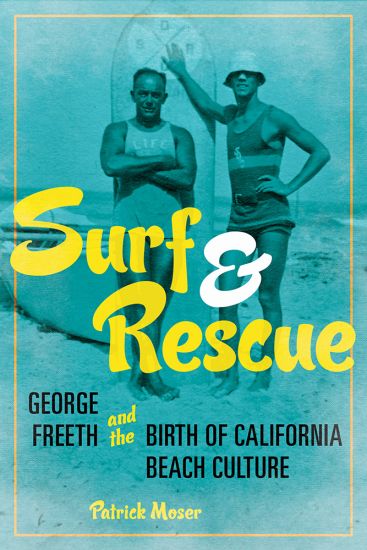
Despite a genuine admiration for Native Hawaiian culture, white Californians of the 1930s ignored authentic relationships with Native Hawaiians. Surfing became a central part of what emerged instead: a beach culture of dressing, dancing, and acting like an Indigenous people whites idealized. Patrick Moser uses surfing to open a door on the cultural appropriation practiced by Depression-era Californians against a backdrop of settler colonialism and white nationalism. Recreating the imagined leisure and romance of life in Waikiki attracted people buffeted by economic crisis and dislocation. California-manufactured objects like surfboards became a physical manifestation of a dream that, for all its charms, emerged from a white impulse to both remove and replace Indigenous peoples. Moser traces the rise of beach culture through the lives of trendsetters Tom Blake, John “Doc” Ball, Preston “Pete” Peterson, Mary Ann Hawkins, and Lorrin “Whitey” Harrison while also delving into California’s control over images of Native Hawaiians via movies, tourism, and the surfboard industry. Compelling and innovative, Waikiki Dreams opens up the origins of a defining California subculture.