Kirjojen hintavertailu. Mukana 12 016 292 kirjaa ja 12 kauppaa.

Kirjahaku

Etsi kirjoja tekijän nimen, kirjan nimen tai ISBN:n perusteella.

3 kirjaa tekijältä Patrick W. Galbraith

The Moe Manifesto

The Moe Manifesto

Patrick W. Galbraith

Tuttle Publishing
2017
nidottu
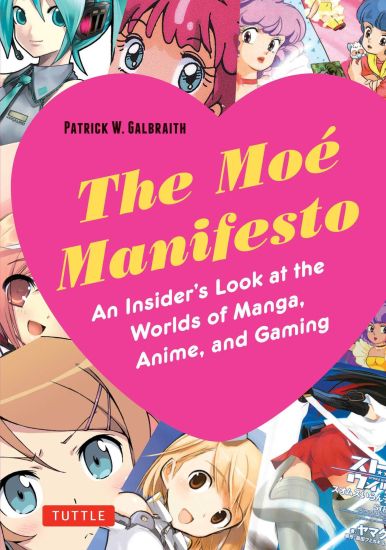
Moe is a huge cultural phenomenon and one of the driving forces behind the enormous success of Japanese anime and manga--not just in Japan but now throughout the world.In Japan, avid fans of manga comics, anime films and video games use the term Moe to refer to the strong sense of emotional attachment they feel for their favorite characters. These fans have a powerful desire to protect and nurture the youthful, beautiful and innocent characters they adore--like Sagisawa Moe in Dinosaur Planet and Tomoe Hotaru in Sailor Moon. They create their own websites, characters, stories, discussion groups, toys and games based on the original manga and anime roles. Author Patrick Galbraith is the world's acknowledged expert on Moe and a journalist based in Tokyo. For this book, he interviewed twenty important figures in the world of Japanese manga and anime to gain their insights on the Moe phenomenon. These interviews provide us with the first in-depth survey of this subject. Galbraith uncovers how Moe is influencing an entire generation of manga artists and readers. For those new to anime, manga, and youth culture in Japan, he discusses what constitutes the ideal Moe relationship and why some fans are even determined to marry their fictional sweethearts. He reveals key moments in the development of Moe, and current and future trends in the spread of Moe works and characters from Japan to other parts of the world.The Moe Manifesto provides an insider's look at the earliest Moe characters such as Ayame by Tezuka Osamu. The book has over 100 illustrations of the most famous Moe characters, many in color, and it is sure to delight manga and anime fans of every age.
Otaku and the Struggle for Imagination in Japan

Otaku and the Struggle for Imagination in Japan

Patrick W. Galbraith

Duke University Press
2019
sidottu
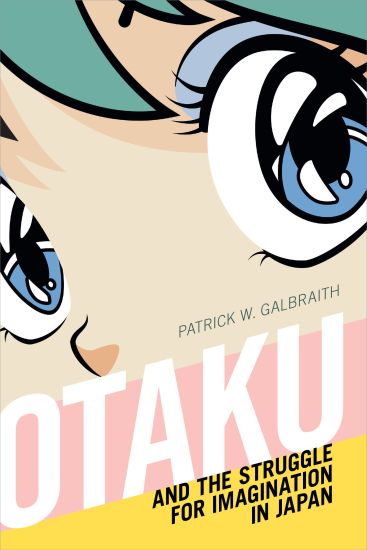
From computer games to figurines and maid cafes, men called “otaku” develop intense fan relationships with “cute girl” characters from manga, anime, and related media and material in contemporary Japan. While much of the Japanese public considers the forms of character love associated with “otaku” to be weird and perverse, the Japanese government has endeavored to incorporate “otaku” culture into its branding of “Cool Japan.” In Otaku and the Struggle for Imagination in Japan, Patrick W. Galbraith explores the conflicting meanings of “otaku” culture and its significance to Japanese popular culture, masculinity, and the nation. Tracing the history of “otaku” and “cute girl” characters from their origins in the 1970s to his recent fieldwork in Akihabara, Tokyo (“the Holy Land of Otaku”), Galbraith contends that the discourse surrounding “otaku” reveals tensions around contested notions of gender, sexuality, and ways of imagining the nation that extend far beyond Japan. At the same time, in their relationships with characters and one another, “otaku” are imagining and creating alternative social worlds.
Otaku and the Struggle for Imagination in Japan

Otaku and the Struggle for Imagination in Japan

Patrick W. Galbraith

Duke University Press
2019
pokkari
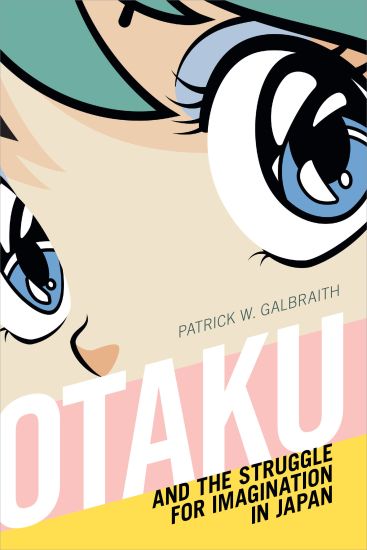
From computer games to figurines and maid cafes, men called “otaku” develop intense fan relationships with “cute girl” characters from manga, anime, and related media and material in contemporary Japan. While much of the Japanese public considers the forms of character love associated with “otaku” to be weird and perverse, the Japanese government has endeavored to incorporate “otaku” culture into its branding of “Cool Japan.” In Otaku and the Struggle for Imagination in Japan, Patrick W. Galbraith explores the conflicting meanings of “otaku” culture and its significance to Japanese popular culture, masculinity, and the nation. Tracing the history of “otaku” and “cute girl” characters from their origins in the 1970s to his recent fieldwork in Akihabara, Tokyo (“the Holy Land of Otaku”), Galbraith contends that the discourse surrounding “otaku” reveals tensions around contested notions of gender, sexuality, and ways of imagining the nation that extend far beyond Japan. At the same time, in their relationships with characters and one another, “otaku” are imagining and creating alternative social worlds.