Kirjojen hintavertailu. Mukana 11 699 587 kirjaa ja 12 kauppaa.

Kirjahaku

Etsi kirjoja tekijän nimen, kirjan nimen tai ISBN:n perusteella.

7 kirjaa tekijältä Paul Baines

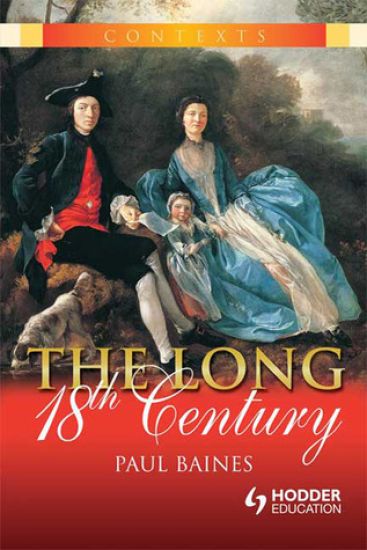
The Long 18th Century

The Long 18th Century

Paul Baines

Hodder Arnold
2004
nidottu
The books in the Contexts series provide broad-ranging and accessible information about the literary, historical and cultural background of the major periods and genres, Taking its instigation from the ways in which literary texts define their own area of reference within their historical moment, each volume also questions canonical readings of its period, and contains relevant extracts from contemporary documents to aid further discussion.
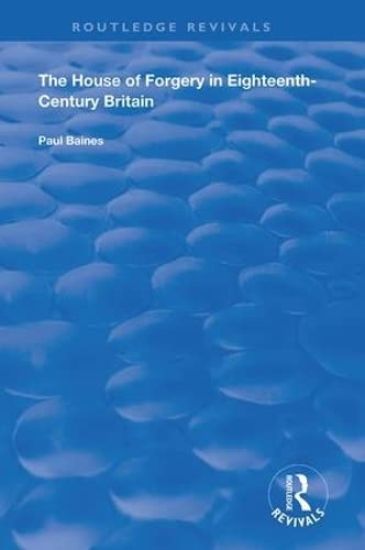
The House of Forgery in Eighteenth-Century Britain
Published in 1999, this work offers a balanced interdisciplinary account of literary and criminal forgery as they were practised, constructed and theorized in the 18th century as a corollary of the new documents of the financial revolution: banknotes, bills of exchange and promissory notes. The book surveys the crime and its mythology, placing well-known cases such as that of Dr. William Dodd within the pattern of 400 prosecutions from the period 1715-1780. In parallel, accounts of some major instances of literary forgery are rooted in a more pervasive culture in which "forgery" was discovered in many developing areas of literary practice: scholarly editing, historiography and antiquarianism. One surprising aspect of this study is the extent to which literary figures were involved in matters of criminal as well as literary forgery. It is suggested that the two kinds of forgery have unexpected connections with each other through the economy of literature which, following the development of copyright, regarded the signature of authorship as the legal site of literary authenticity, and through the economic and legal culture of forgery prosecutions, in which bogus "writing" came to signify a whole range of problems of personal and literary character. The study is based on a very large body of diverse material, from major texts such as "The Dunciad" and "Lives of the English Poets" to hundreds of minor poems, controversial pamphlets, criminal biographies, newspapers, legal records and manuscripts.
The House of Forgery in Eighteenth-Century Britain
Published in 1999, this work offers a balanced interdisciplinary account of literary and criminal forgery as they were practised, constructed and theorized in the 18th century as a corollary of the new documents of the financial revolution: banknotes, bills of exchange and promissory notes. The book surveys the crime and its mythology, placing well-known cases such as that of Dr. William Dodd within the pattern of 400 prosecutions from the period 1715-1780. In parallel, accounts of some major instances of literary forgery are rooted in a more pervasive culture in which "forgery" was discovered in many developing areas of literary practice: scholarly editing, historiography and antiquarianism. One surprising aspect of this study is the extent to which literary figures were involved in matters of criminal as well as literary forgery. It is suggested that the two kinds of forgery have unexpected connections with each other through the economy of literature which, following the development of copyright, regarded the signature of authorship as the legal site of literary authenticity, and through the economic and legal culture of forgery prosecutions, in which bogus "writing" came to signify a whole range of problems of personal and literary character. The study is based on a very large body of diverse material, from major texts such as "The Dunciad" and "Lives of the English Poets" to hundreds of minor poems, controversial pamphlets, criminal biographies, newspapers, legal records and manuscripts.
Alexander Pope

Alexander Pope

Paul Baines

Routledge
2000
sidottu
So many questions surround the key figures in the English literary canon, but most books focus on one aspect of an author's life or work, or limit themselves to a single critical approach. Alexander Pope is a comprehensive, user-friendly guide which: * offers information on Pope's life, contexts and works * outline the major critical issues surrounding his works, from the time they were written to the present *explains the full range of different critical views and interpretations * offers guides to further reading in each area discussed.
Alexander Pope

Alexander Pope

Paul Baines

Routledge
2000
nidottu
So many questions surround the key figures in the English literary canon, but most books focus on one aspect of an author's life or work, or limit themselves to a single critical approach. Alexander Pope is a comprehensive, user-friendly guide which: * offers information on Pope's life, contexts and works * outline the major critical issues surrounding his works, from the time they were written to the present *explains the full range of different critical views and interpretations * offers guides to further reading in each area discussed.
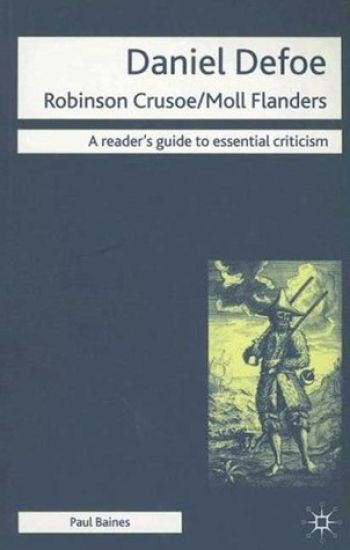
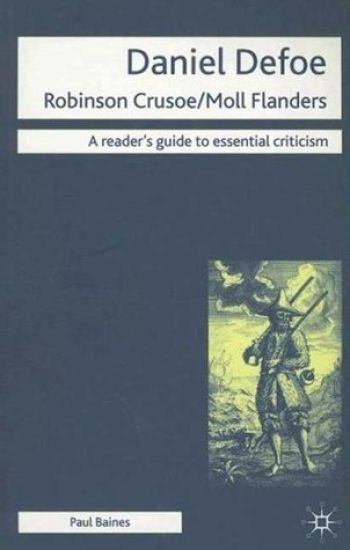
Daniel Defoe - Robinson Crusoe/Moll Flanders
Defoe's Robinson Crusoe (1719) and Moll Flanders (1721) together defined a new way of writing fiction in the eighteenth century. Each was highly controversial in Defoe's time, and each has generated a very large amount of criticism since. This Guide examines the major trends and movements in critical interpretation of these two popular and widely-studied novels, from the earliest reception history to the present day. The thematic and chronological organization of material points out similarities and differences between the two books, and maps Defoe studies onto some of the obvious lines of development that criticism in general has taken over the last century in particular, including feminist, ideological and postcolonial perspectives. The volume also features a section on adaptations of the novels in film and other media.
Daniel Defoe - Robinson Crusoe/Moll Flanders
Defoe's Robinson Crusoe (1719) and Moll Flanders (1721) together defined a new way of writing fiction in the eighteenth century. Each was highly controversial in Defoe's time, and each has generated a very large amount of criticism since. This Guide examines the major trends and movements in critical interpretation of these two popular and widely-studied novels, from the earliest reception history to the present day. The thematic and chronological organization of material points out similarities and differences between the two books, and maps Defoe studies onto some of the obvious lines of development that criticism in general has taken over the last century in particular, including feminist, ideological and postcolonial perspectives. The volume also features a section on adaptations of the novels in film and other media.