Kirjojen hintavertailu. Mukana 12 016 292 kirjaa ja 12 kauppaa.

Kirjahaku

Etsi kirjoja tekijän nimen, kirjan nimen tai ISBN:n perusteella.

4 kirjaa tekijältä Paul Cuff

A Revolution for the Screen

A Revolution for the Screen

Paul Cuff

TAYLOR FRANCIS LTD
2025
nidottu
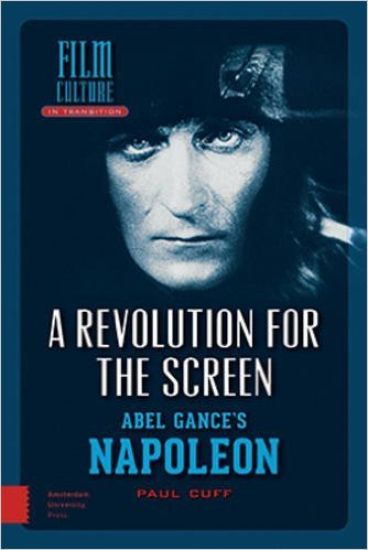
Abel Gance's silent masterpiece, Napoleon, was given a limited run on its debut in 1927, but soon afterwards distributors in France and America, unwilling to deal with its nine-hour running time, subjected it to savage cuts - with devastating results for the movie and for film history. The struggle across ensuing decades to restore and reintegrate Gance's film has formed a backdrop to an array of formal, contextual, and ideological battles. In this book, Paul Cuff takes account of those battles and challenges received opinion on Gance's view of both his film and its subject.|Paul Cuff takes account of the struggle across decades to restore and reintegrate Gance's film Napoleon and challenges received opinion on this work.
Abel Gance and the End of Silent Cinema

Abel Gance and the End of Silent Cinema

Paul Cuff

Springer International Publishing AG
2016
sidottu
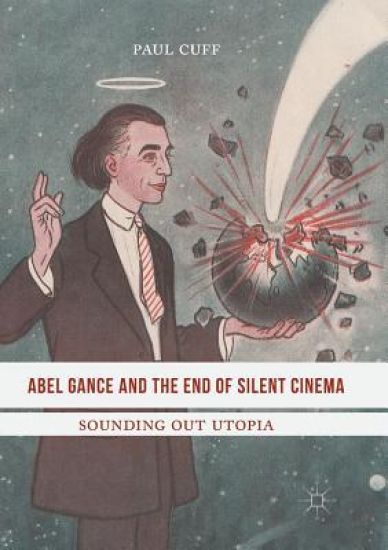
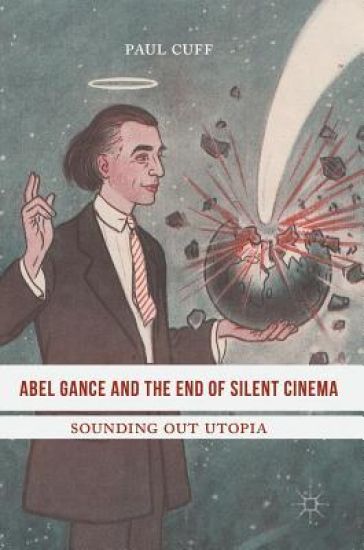
This book explores the creation and destruction of Abel Gance’s most ambitious film project, and seeks to explain why his meteoric career was so nearly extinguished at the end of silent cinema. By 1929, Gance was France’s most famous director. Acclaimed for his technical innovation and visual imagination, he was also admonished for the excessive length and expense of his productions. Gance’s first sound film, La Fin du Monde (1930), was a critical and financial disaster so great that it nearly destroyed his career. But what went wrong? Gance claimed it was commercial sabotage whilst critics blamed the director’s inexperience with new technology. Neither excuse is satisfactory. Based on extensive archival research, this book re-investigates the cultural background and aesthetic consequences of Gance’s transition from silent filmmaking to sound cinema. La Fin du Monde is revealed to be only one element of an extraordinary cultural project to transformcinema into a universal religion and propagate its power through the League of Nations. From unfinished films to unrealized social revolutions, the reader is given a fascinating tour of Gance’s lost cinematic utopia.
Abel Gance and the End of Silent Cinema

Abel Gance and the End of Silent Cinema

Paul Cuff

Springer International Publishing AG
2018
nidottu
This book explores the creation and destruction of Abel Gance’s most ambitious film project, and seeks to explain why his meteoric career was so nearly extinguished at the end of silent cinema. By 1929, Gance was France’s most famous director. Acclaimed for his technical innovation and visual imagination, he was also admonished for the excessive length and expense of his productions. Gance’s first sound film, La Fin du Monde (1930), was a critical and financial disaster so great that it nearly destroyed his career. But what went wrong? Gance claimed it was commercial sabotage whilst critics blamed the director’s inexperience with new technology. Neither excuse is satisfactory. Based on extensive archival research, this book re-investigates the cultural background and aesthetic consequences of Gance’s transition from silent filmmaking to sound cinema. La Fin du Monde is revealed to be only one element of an extraordinary cultural project to transformcinema into a universal religion and propagate its power through the League of Nations. From unfinished films to unrealized social revolutions, the reader is given a fascinating tour of Gance’s lost cinematic utopia.
A Revolution for the Screen

A Revolution for the Screen

Paul Cuff

Amsterdam University Press
2015
sidottu
Abel Gance's silent masterpiece, Napoleon, was given a limited run on its debut in 1927, but soon afterwards distributors in France and America, unwilling to deal with its nine-hour running time, subjected it to savage cuts - with devastating results for the movie and for film history. The struggle across ensuing decades to restore and reintegrate Gance's film has formed a backdrop to an array of formal, contextual, and ideological battles. In this book, Paul Cuff takes account of those battles and challenges received opinion on Gance's view of both his film and its subject.