Kirjojen hintavertailu. Mukana 11 342 296 kirjaa ja 12 kauppaa.

Kirjahaku

Etsi kirjoja tekijän nimen, kirjan nimen tai ISBN:n perusteella.

5 kirjaa tekijältä Paul Lopes

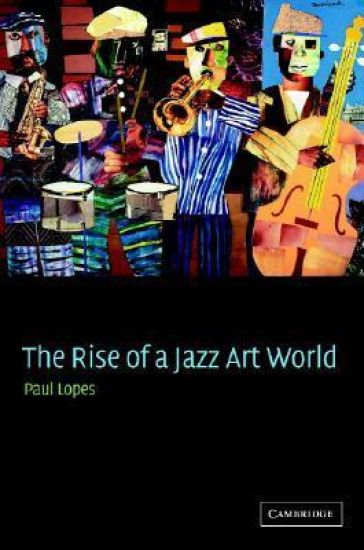
The Rise of a Jazz Art World

The Rise of a Jazz Art World

Paul Lopes

Cambridge University Press
2002
pokkari
This book presents a unique sociological vision of the evolution of jazz in the twentieth century. Analysing organizational structures and competing discourses in American music, Paul Lopes shows how musicians and others transformed the meaning and practice of jazz. Set against the distinct worlds of high art and popular art in America, the rise of a jazz art world is shown to be a unique movement - a socially diverse community struggling in various ways against cultural orthodoxy. Cultural politics in America is shown to be a dynamic, open, and often contradictory process of constant re-interpretation. This work is a compelling social history of American culture that incorporates various voices in jazz, including musicians, critics, collectors, producers and enthusiasts. Accessibly written and interdisciplinary in approach, it will be of great interest to scholars and students of sociology, cultural studies, social history, American studies, African-American studies, and jazz studies.
The Rise of a Jazz Art World

The Rise of a Jazz Art World

Paul Lopes

Cambridge University Press
2002
sidottu
This 2002 book presents a unique sociological vision of the evolution of jazz in the twentieth century. Analysing organizational structures and competing discourses in American music, Paul Lopes shows how musicians and others transformed the meaning and practice of jazz. Set against the distinct worlds of high art and popular art in America, the rise of a jazz art world is shown to be a unique movement - a socially diverse community struggling in various ways against cultural orthodoxy. Cultural politics in America is shown to be a dynamic, open, and often contradictory process of constant re-interpretation. This work is a compelling social history of American culture that incorporates various voices in jazz, including musicians, critics, collectors, producers and enthusiasts. Accessibly written and interdisciplinary in approach, it will be of great interest to scholars and students of sociology, cultural studies, social history, American studies, African-American studies, and jazz studies.
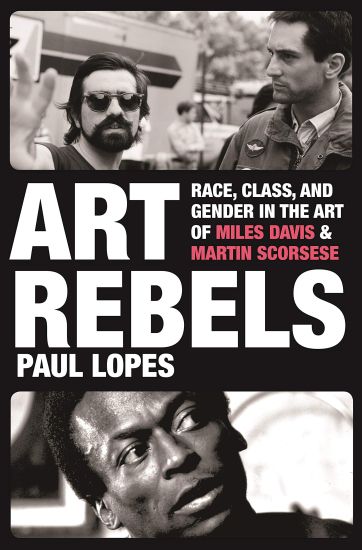
Art Rebels

Art Rebels

Paul Lopes

PRINCETON UNIVERSITY PRESS
2019
sidottu
How creative freedom, race, class, and gender shaped the rebellion of two visionary artistsPostwar America experienced an unprecedented flourishing of avant-garde and independent art. Across the arts, artists rebelled against traditional conventions, embracing a commitment to creative autonomy and personal vision never before witnessed in the United States. Paul Lopes calls this the Heroic Age of American Art, and identifies two artists—Miles Davis and Martin Scorsese—as two of its leading icons.In this compelling book, Lopes tells the story of how a pair of talented and outspoken art rebels defied prevailing conventions to elevate American jazz and film to unimagined critical heights. During the Heroic Age of American Art—where creative independence and the unrelenting pressures of success were constantly at odds—Davis and Scorsese became influential figures with such modern classics as Kind of Blue and Raging Bull. Their careers also reflected the conflicting ideals of, and contentious debates concerning, avant-garde and independent art during this period. In examining their art and public stories, Lopes also shows how their rebellions as artists were intimately linked to their racial and ethnic identities and how both artists adopted hypermasculine ideologies that exposed the problematic intersection of gender with their racial and ethnic identities as iconic art rebels.Art Rebels is the essential account of a new breed of artists who left an indelible mark on American culture in the second half of the twentieth century. It is an unforgettable portrait of two iconic artists who exemplified the complex interplay of the quest for artistic autonomy and the expression of social identity during the Heroic Age of American Art.