Kirjojen hintavertailu. Mukana 11 699 587 kirjaa ja 12 kauppaa.

Kirjahaku

Etsi kirjoja tekijän nimen, kirjan nimen tai ISBN:n perusteella.

9 kirjaa tekijältä Paul Lowe

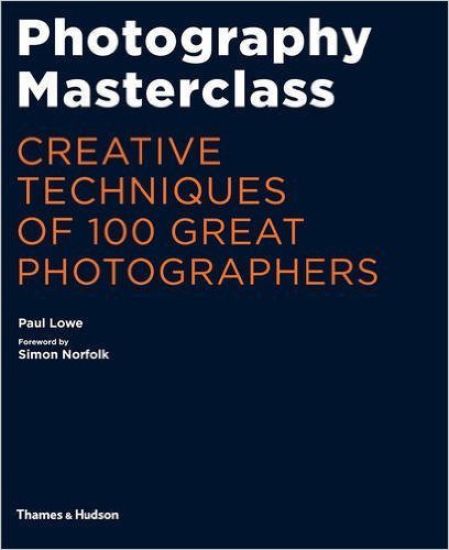
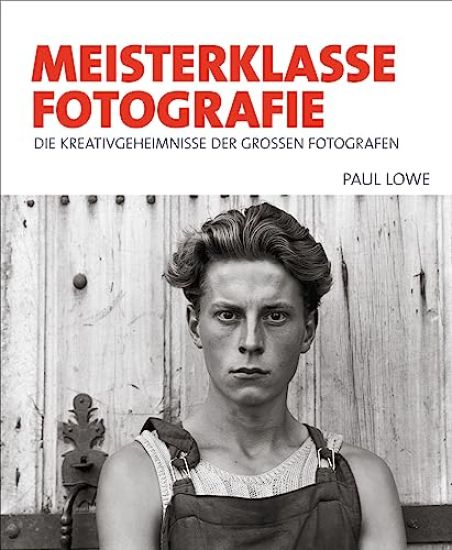
Photography Masterclass

Photography Masterclass

Paul Lowe

Thames Hudson Ltd
2016
pokkari
What makes some photographs stay in the memory forever? Sometimes it's the subject matter alone, but more often it's the skill of the artists who took them. This book showcases 100 of the greatest images in the history of the art and will provide an indispensable guide to the technicalities behind the well-known masterpieces and more.
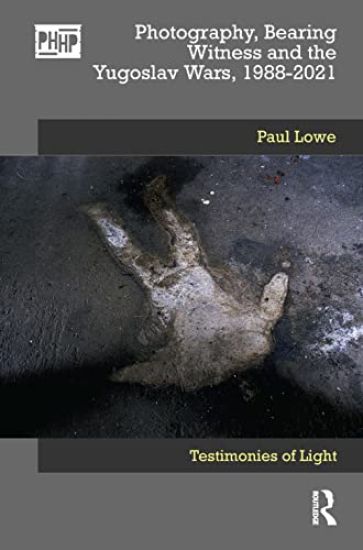
Photography, Bearing Witness and the Yugoslav Wars, 1988-2021
Combining case studies with theoretical and philosophical insights, this book explores the role of photography in representing conflict and genocide, both during and after the break-up of Yugoslavia.Concentrating on the photographer, this book considers the practice of photojournalism rather than simply in terms of its consumption and use by the media. The experiences and working methods of photographers in the field are analysed, showing how practitioners conceptualised their work and responded to larger questions about neutrality and moral responsibility. Presenting this ‘active’ form of witness, author Paul Lowe investigates a crucial ethical paradox faced by photojournalists. Moving beyond the end of the Yugoslav Wars in 2001, this book also considers the therapeutic and validating potential of photography for survivors, featuring photographers whose work centres on memory and reconciliation. Based on archival research, close reading and discourse analyses of photographs, and interviews with a range of international photographers, this book explores how photography from this period has been used and remediated in editorial photojournalism, fine art documentary and advocacy photography.This book will be of interest to scholars in the history of photography, art and visual culture, and photojournalism.
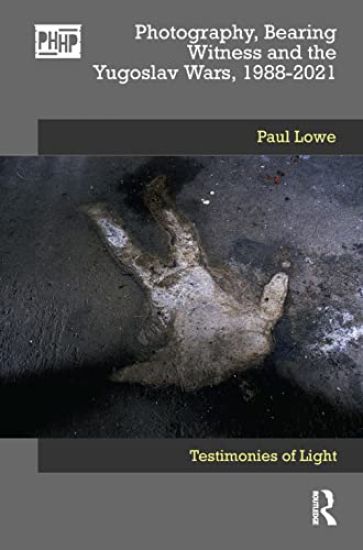
Photography, Bearing Witness and the Yugoslav Wars, 1988-2021
Combining case studies with theoretical and philosophical insights, this book explores the role of photography in representing conflict and genocide, both during and after the break-up of Yugoslavia.Concentrating on the photographer, this book considers the practice of photojournalism rather than simply in terms of its consumption and use by the media. The experiences and working methods of photographers in the field are analysed, showing how practitioners conceptualised their work and responded to larger questions about neutrality and moral responsibility. Presenting this ‘active’ form of witness, author Paul Lowe investigates a crucial ethical paradox faced by photojournalists. Moving beyond the end of the Yugoslav Wars in 2001, this book also considers the therapeutic and validating potential of photography for survivors, featuring photographers whose work centres on memory and reconciliation. Based on archival research, close reading and discourse analyses of photographs, and interviews with a range of international photographers, this book explores how photography from this period has been used and remediated in editorial photojournalism, fine art documentary and advocacy photography.This book will be of interest to scholars in the history of photography, art and visual culture, and photojournalism.
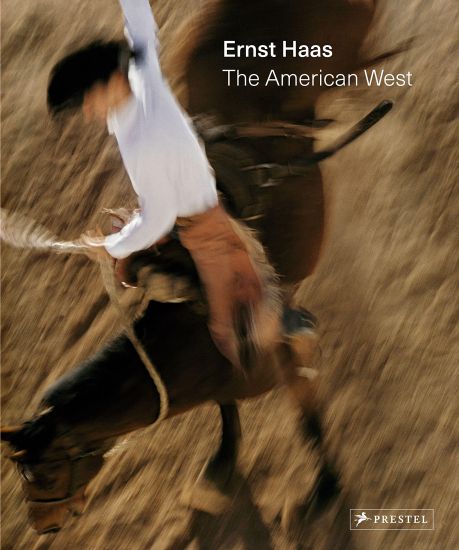
Ernst Haas

Ernst Haas

Paul Lowe

Prestel
2022
sidottu
The photographer behind Life magazine’s first ever all-color photographic essay, Ernst Haas made—and captured—history as an early adopter of Kodachrome film. The Austrian-born artist had already established himself as a black and white photographer when he moved to America in 1951. But as a member of the renowned Magnum agency, he transformed the genre with his color-saturated images, the perfect medium for capturing America’s geographic and cultural landscapes. From desert storms, Route 66 gas stations, and Las Vegas neon to rolling prairie, dilapidated farms, small-town parades, and city sidewalks, Haas’ perfectly composed images, contain a distinct pictorial language, suffused with poetry, pattern, and light. At the same time his pictures communicate a journalist’s point of view, whether the subject is rural poverty, suburban comfort, or the myth of the American West. This remarkable book offers a vision of America that feels both poignantly distant and reassuringly familiar.