Kirjojen hintavertailu. Mukana 11 627 220 kirjaa ja 12 kauppaa.

Kirjahaku

Etsi kirjoja tekijän nimen, kirjan nimen tai ISBN:n perusteella.

5 kirjaa tekijältä Paul Morrison

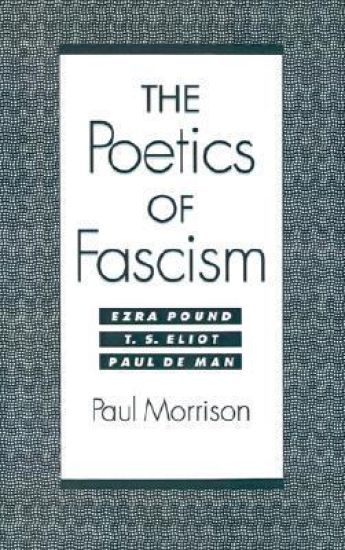
The Poetics of Fascism

The Poetics of Fascism

Paul Morrison

Oxford University Press Inc
1996
sidottu
Morrison examines the modernist poetics of Ezra Pound and T. S. Eliot, and traces their influence on the current crisis in post-structuralist literary theory. He concludes with a provocative analysis of deconstruction and the work of Paul de Man.
Classical Hollywood Cinema, Sexuality, and the Politics of the Face
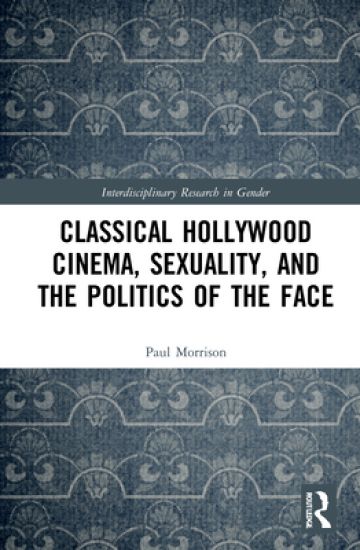
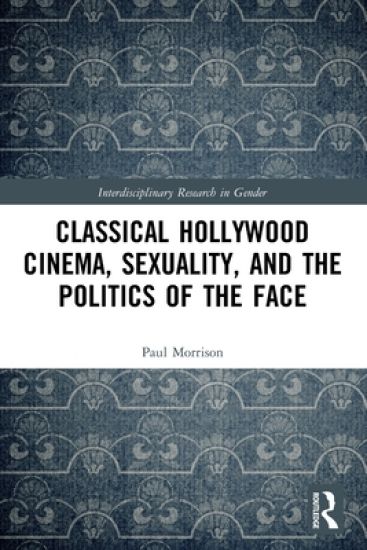
Classical Hollywood Cinema, Sexuality, and the Politics of the Face examines the representation of iconic female faces in the golden age of Hollywood – Greta Garbo, Gloria Swanson, Elizabeth Taylor – and the gay male fetishization of those faces. Classical Hollywood cinema is given to an aesthetic and ideological struggle between rival scopic economies: an erotics of “to-be-looked-at-ness” is countered by a hermeneutics of “to-be-seen-through-ness.” The latter emerges triumphant, but the legendary female faces of Hollywood resist, in their different ways, a coercive and normalizing knowledge, which is the source of the gay male investment in them. A disciplinary society privileges a hermeneutics of gaze; the iconomic female faces of classical Hollywood cinema demand an erotics. Classical Holly Cinema, Sexuality, and the Politics of the Face explores the tension between the two through detailed readings of Ninotchka, Sunset Boulevard, and Suddenly, Last Summer in the context of early and mid-century cinema and culture. It includes, for instance, an analysis of D. W. Griffith and blackface, the Stonewall riots and the coming-into-voice of the modern gay subject, several major films by Hitchcock, Citizen Kane, and the emergence of rival standards of beauty, both female and male, in figures such as Katharine Hepburn, Ingrid Bergman, Humphrey Bogart, Rock Hudson, and James Dean. This is an important study for students of queer theory, film theory and history, and gender and sexuality studies.
Classical Hollywood Cinema, Sexuality, and the Politics of the Face
Classical Hollywood Cinema, Sexuality, and the Politics of the Face examines the representation of iconic female faces in the golden age of Hollywood – Greta Garbo, Gloria Swanson, Elizabeth Taylor – and the gay male fetishization of those faces. Classical Hollywood cinema is given to an aesthetic and ideological struggle between rival scopic economies: an erotics of “to-be-looked-at-ness” is countered by a hermeneutics of “to-be-seen-through-ness.” The latter emerges triumphant, but the legendary female faces of Hollywood resist, in their different ways, a coercive and normalizing knowledge, which is the source of the gay male investment in them. A disciplinary society privileges a hermeneutics of gaze; the iconomic female faces of classical Hollywood cinema demand an erotics. Classical Holly Cinema, Sexuality, and the Politics of the Face explores the tension between the two through detailed readings of Ninotchka, Sunset Boulevard, and Suddenly, Last Summer in the context of early and mid-century cinema and culture. It includes, for instance, an analysis of D. W. Griffith and blackface, the Stonewall riots and the coming-into-voice of the modern gay subject, several major films by Hitchcock, Citizen Kane, and the emergence of rival standards of beauty, both female and male, in figures such as Katharine Hepburn, Ingrid Bergman, Humphrey Bogart, Rock Hudson, and James Dean. This is an important study for students of queer theory, film theory and history, and gender and sexuality studies.
The Explanation for Everything

The Explanation for Everything

Paul Morrison

New York University Press
2002
sidottu
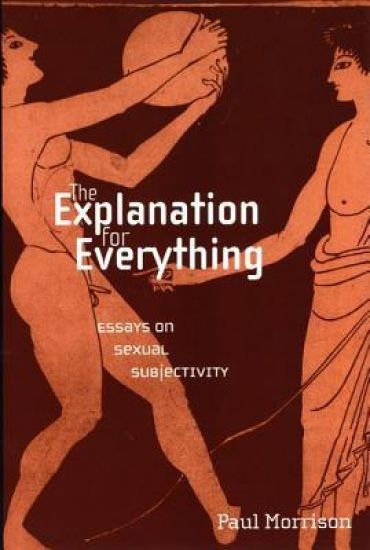
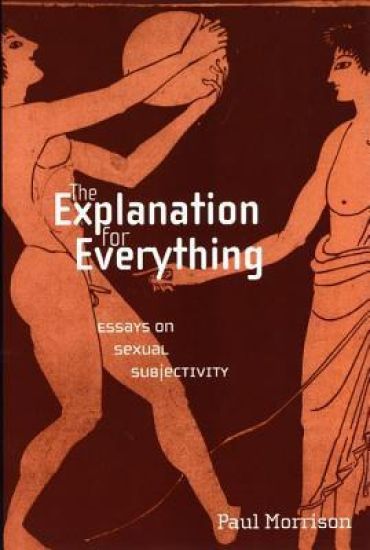
"The claim 'I'm straight' is the psychosexual analogue of 'The check is in the mail': if you need to say it, your credit or creditability is already in doubt." So begins Paul Morrison's dazzling polemic, which takes as its point of departure Foucault's famous remark that sex is "the explanation for everything." Combining psychoanalytic, literary, and queer theory, The Explanation for Everything seeks to account for the explanatory power attributed to homosexuality, and its relationship to compulsory heterosexuality. In the process, Morrison presents a scathing indictment of psychoanalysis and its impact on the study of sexuality. In bold but graceful leaps, Morrison applies his critique to a diversity of examples: subjectivity in Oscar Wilde, the cultural construction and reception of AIDS, the work of Robert Mapplethorpe, the practice of bodybuilding, and the contemporary reception of the sexual politics of fascism. Analytical, witty and astute, The Explanation for Everything will challenge and amuse, establishing Paul Morrison as one of our most exciting cultural critics.
The Explanation for Everything

The Explanation for Everything

Paul Morrison

New York University Press
2002
pokkari
"The claim 'I'm straight' is the psychosexual analogue of 'The check is in the mail': if you need to say it, your credit or creditability is already in doubt." So begins Paul Morrison's dazzling polemic, which takes as its point of departure Foucault's famous remark that sex is "the explanation for everything." Combining psychoanalytic, literary, and queer theory, The Explanation for Everything seeks to account for the explanatory power attributed to homosexuality, and its relationship to compulsory heterosexuality. In the process, Morrison presents a scathing indictment of psychoanalysis and its impact on the study of sexuality. In bold but graceful leaps, Morrison applies his critique to a diversity of examples: subjectivity in Oscar Wilde, the cultural construction and reception of AIDS, the work of Robert Mapplethorpe, the practice of bodybuilding, and the contemporary reception of the sexual politics of fascism. Analytical, witty and astute, The Explanation for Everything will challenge and amuse, establishing Paul Morrison as one of our most exciting cultural critics.