Kirjojen hintavertailu. Mukana 11 627 670 kirjaa ja 12 kauppaa.

Kirjahaku

Etsi kirjoja tekijän nimen, kirjan nimen tai ISBN:n perusteella.

10 kirjaa tekijältä Paul Sharp

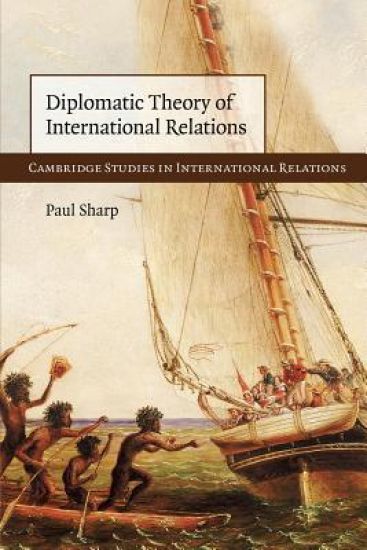
Diplomatic Theory of International Relations

Diplomatic Theory of International Relations

Paul Sharp

Cambridge University Press
2009
pokkari
Diplomacy does not take place simply between states but wherever people live in different groups. Paul Sharp argues that the demand for diplomacy, and the need for the insights of diplomatic theory, are on the rise. In contrast to conventional texts which use international relations theories to make sense of what diplomacy and diplomats do, this book explores what diplomacy and diplomats can contribute to the big theoretical and practical debates in international relations today. Sharp identifies a diplomatic tradition of international thought premised on the way people live in groups, the differences between intra- and inter-group relations, and the perspectives which those who handle inter-group relations develop about the sorts of international disputes which occur. He argues that the lessons of diplomacy are that we should be reluctant to judge, ready to appease, and alert to the partial grounds on which most universal claims about human beings are made.
Diplomatic Theory of International Relations

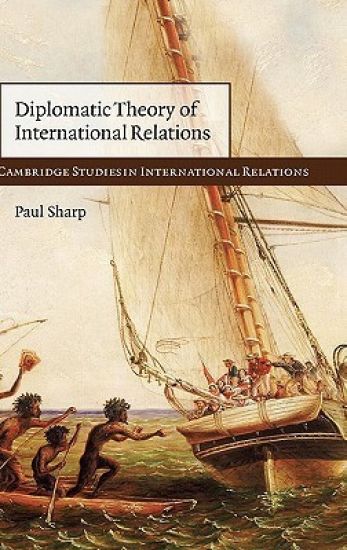
Diplomatic Theory of International Relations

Paul Sharp

Cambridge University Press
2009
sidottu
Diplomacy does not take place simply between states but wherever people live in different groups. Paul Sharp argues that the demand for diplomacy, and the need for the insights of diplomatic theory, are on the rise. In contrast to conventional texts which use international relations theories to make sense of what diplomacy and diplomats do, this book explores what diplomacy and diplomats can contribute to the big theoretical and practical debates in international relations today. Sharp identifies a diplomatic tradition of international thought premised on the way people live in groups, the differences between intra- and inter-group relations, and the perspectives which those who handle inter-group relations develop about the sorts of international disputes which occur. He argues that the lessons of diplomacy are that we should be reluctant to judge, ready to appease, and alert to the partial grounds on which most universal claims about human beings are made.
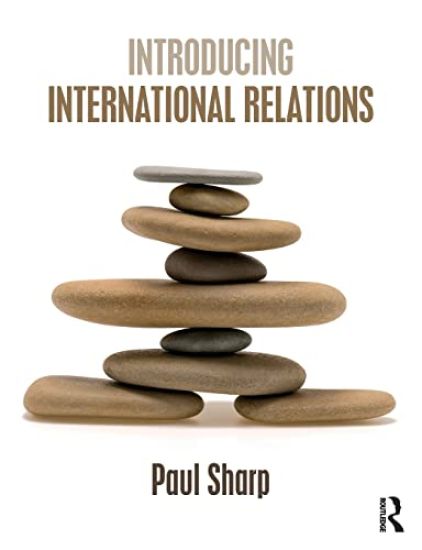
Introducing International Relations
This exciting new textbook provides an accessible and lively introduction to international relations for students encountering the subject for the first time. Presenting complex ideas, concepts and arguments in a straightforward and conversational way, the textbook explains international relations from a diplomatic perspective, emphasizing co-existence in the absence of agreement, and developing students’ ability to make sense of the current conditions of international uncertainty. Introducing students to the major theories and issues in international relations, each chapter: is written to a common structure, dividing each topic into sections with learning objectives within each section to provide points of focus for students and instructors includes extensive text box examples and short case studies for reflection and discussion provides key terms, key takeaways and simple exercises which require short responses offers a suggested list of further readings for those who wish to explore a topic further.The first introductory textbook to take a diplomatic approach, this text is essential reading for all those looking to take their first steps into the study of international relations in an era of uncertainty.
Introducing International Relations
This exciting new textbook provides an accessible and lively introduction to international relations for students encountering the subject for the first time. Presenting complex ideas, concepts and arguments in a straightforward and conversational way, the textbook explains international relations from a diplomatic perspective, emphasizing co-existence in the absence of agreement, and developing students’ ability to make sense of the current conditions of international uncertainty. Introducing students to the major theories and issues in international relations, each chapter: is written to a common structure, dividing each topic into sections with learning objectives within each section to provide points of focus for students and instructors includes extensive text box examples and short case studies for reflection and discussion provides key terms, key takeaways and simple exercises which require short responses offers a suggested list of further readings for those who wish to explore a topic further.The first introductory textbook to take a diplomatic approach, this text is essential reading for all those looking to take their first steps into the study of international relations in an era of uncertainty.
The Creation of the Local Authority Sector of Higher Education
Originally published in 1987, The Creation of Local Authority Sector of Higher Education is a macro-analysis of the creation and development of the local authority sector of higher education from the early 1960s to the 1980s. It is a political/administrative study of educational policy-making and decision-taking at the national level. This book surveys the influence on the policy of various groups such as the Department of Education and Science, the local authority associations, and the higher education teachers’ unions. The creation of the polytechnics receives considerable attention as does the merger of teacher training with advanced further education. The records of a large University Institute of Education show clearly how the battles over the future of teacher training were fought out in the 1960s and 1970s. Original material from the main teachers’ unions involved has provided additional evidence from a different perspective. This study shows the problems facing local authority higher education in the 1980s and 1990s are not new, and in many respects remain the same intractable issues which have dogged the sector since its creation.
The Creation of the Local Authority Sector of Higher Education
Originally published in 1987, The Creation of Local Authority Sector of Higher Education is a macro-analysis of the creation and development of the local authority sector of higher education from the early 1960s to the 1980s. It is a political/administrative study of educational policy-making and decision-taking at the national level. This book surveys the influence on the policy of various groups such as the Department of Education and Science, the local authority associations, and the higher education teachers’ unions. The creation of the polytechnics receives considerable attention as does the merger of teacher training with advanced further education. The records of a large University Institute of Education show clearly how the battles over the future of teacher training were fought out in the 1960s and 1970s. Original material from the main teachers’ unions involved has provided additional evidence from a different perspective. This study shows the problems facing local authority higher education in the 1980s and 1990s are not new, and in many respects remain the same intractable issues which have dogged the sector since its creation.
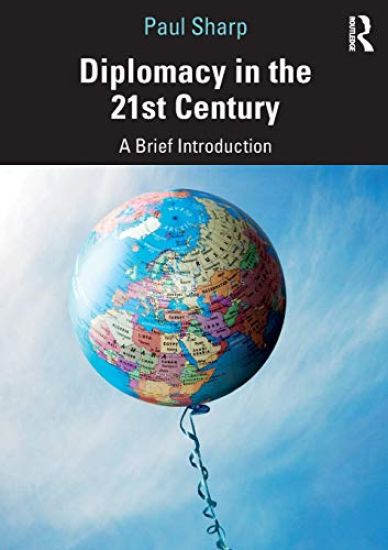
Diplomacy in the 21st Century

Diplomacy in the 21st Century

Paul Sharp

Routledge
2019
sidottu
This book provides an introduction to the theory and practice of diplomacy and its vital role in an era of increasing international uncertainty.The work employs a distinctive "diplomatic perspective" on international relations and argues that the experience of conducting diplomacy gives rise to a set of priorities: first, the peaceful resolution of disputes; second, the avoidance of unwanted conflict; and, third, the minimization of the intensity of violent conflict where it has become unavoidable. It argues that changes in the international system require a shift in priorities from the diplomacy of problem-solving by building institutionalized cooperation, to the diplomacy of managing relationships between people. Divided into three sections, the first examines what is meant when we talk about diplomacy, why we need diplomats, and the operations of the modern diplomatic system of states. The second discusses the "three bads," about which people generally worry: bad leaders, bad media, and bad followers. The idea of "bad" is considered in terms of the moral character, professional competence, and the consequences of what people do for us. The final section discusses diplomacy and bad diplomats, reviewing what people can do to help themselves and the professionals be good diplomats. This book is intended as a primary text for courses in international diplomacy and as a supplementary text for courses on contemporary issues in international relations.
Diplomacy in the 21st Century

Diplomacy in the 21st Century

Paul Sharp

Routledge
2019
nidottu
This book provides an introduction to the theory and practice of diplomacy and its vital role in an era of increasing international uncertainty.The work employs a distinctive "diplomatic perspective" on international relations and argues that the experience of conducting diplomacy gives rise to a set of priorities: first, the peaceful resolution of disputes; second, the avoidance of unwanted conflict; and, third, the minimization of the intensity of violent conflict where it has become unavoidable. It argues that changes in the international system require a shift in priorities from the diplomacy of problem-solving by building institutionalized cooperation, to the diplomacy of managing relationships between people. Divided into three sections, the first examines what is meant when we talk about diplomacy, why we need diplomats, and the operations of the modern diplomatic system of states. The second discusses the "three bads," about which people generally worry: bad leaders, bad media, and bad followers. The idea of "bad" is considered in terms of the moral character, professional competence, and the consequences of what people do for us. The final section discusses diplomacy and bad diplomats, reviewing what people can do to help themselves and the professionals be good diplomats. This book is intended as a primary text for courses in international diplomacy and as a supplementary text for courses on contemporary issues in international relations.