
Kirjahaku
Etsi kirjoja tekijän nimen, kirjan nimen tai ISBN:n perusteella.
363 kirjaa tekijältä Paul Smith
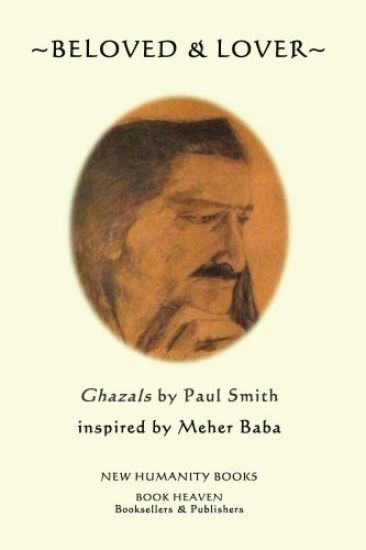
Beloved & Lover: Ghazals by Paul Smith inspired by Meher Baba
Paul Smith
Createspace Independent Publishing Platform
2014
nidottu
BELOVED & LOVER Ghazals by Paul Smith... inspired by Meher Baba From the 1920's into the late sixties the great Indian God-Realized Spiritual Master Meher Baba (1894-1969), who composed unique ghazals under the pen-name of Huma, occasionally gave to his disciples who were also poets the first couplet or line of ghazals he wished them to compose. Now after 40 years his disciple and poet from the mid-sixties, Paul Smith, carries on the tradition and completes the task of over 300 poems with love and dedication and the experience of writing hundreds of his own (the first in English) and translating for over 40 years those of Huma, Hafiz, Sadi, Nesimi, 'Attar and many others. Included are biographies of both poets and an article on Form, Function and History of the oldest, most mysterious, most beautiful poetic form... the still popular ghazal. Pages 410. COMMENTS ON PAUL SMITH'S VERSION OF HAFIZ'S 'DIVAN'."It is not a joke... the English version of ALL the ghazals of Hafiz is a great feat and of paramount importance. I am astonished." Dr. Mir Mohammad Taghavi (Dr. of Literature) Tehran. "Superb translations. 99% Hafiz 1% Paul Smith." Ali Akbar Shapurzman, translator into Persian and knower of Hafiz's Divan off by heart.Paul Smith is a poet, author and translator of many books of Sufi poets of Persian, Arabic, Urdu, Turkish, Pashtu and other languages, including Hafiz, Sadi, Nizami, Rumi, 'Attar, Sana'i, Jahan, Obeyd Zakani, Nesimi, Kabir, Anvari, Ansari, Jami, Khayyam, Rudaki, Yunus Emre, Lalla Ded, Iqbal, Ghalib and many others, as well as poetry, fiction, plays, biographies and screenplays. amazon.com/author/smithpa Published by New Humanity Books
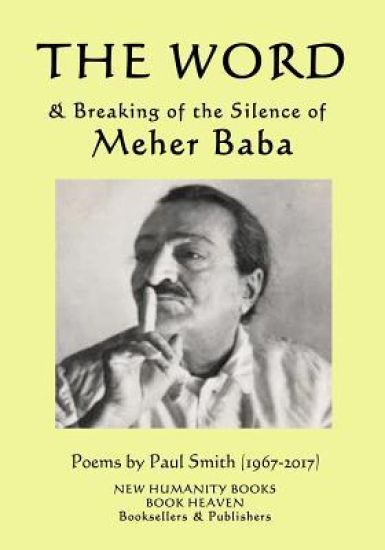
The Word & Breaking of the Silence of Meher Baba: Poems by Paul Smith (1967-2017)
Paul Smith
Createspace Independent Publishing Platform
2017
nidottu
THE WORD & Breaking of the Silence of Meher Baba Poems by Paul Smith (1967-2017) From July 10, 1925 until shortly before his passing in 1969, The Perfect Spiritual Master, Avatar Meher Baba, was silent. He communicated first by using an alphabet board, and later by unique hand gestures that were interpreted and spoken out by one of his mandali, usually by his close disciple Eruch Jessawala. Meher Baba said that his silence was not undertaken as a spiritual exercise but solely in connection with his inner universal work. 'Man's inability to live God's words makes the Avatar's teaching a mockery. Instead of practicing the compassion he taught, man has waged wars in his name. Instead of living the humility, purity, and truth of his words, man has given way to hatred, greed, and violence. Because man has been deaf to the principles and precepts laid down by God in the past, in this present Avataric form, I observe silence.' He declared that he would 'break his silence' with the Word of words that would be heard by all and begin a New Humanity on earth. Here are free-form poems and ghazals by Paul Smith for over 50 years about Meher Baba's Silence and the Word, along with quotes by Avatar Meher Baba and his closest disciples on his Silence and the Divine Word. Large Format Paperback 7" x 1o" Pages 318. Paul Smith (b. 1945) is an Australian poet and translator of many books of Sufi poets of the Persian, Arabic, Urdu, Turkish, Pashtu, Kashmiri and other languages including Hafiz, Sadi, Nizami, Dard, Nazir, Rumi, 'Attar, Sana'i, 'Iraqi, Jahan Khatun, Obeyd Zakani, Nesimi, Kabir, Anvari, Ansari, Jami, Khayyam, Ghalib, Iqbal, Rahman Baba, Huma and many others, as well as his own poetry, fiction, plays, biographies, children's books and a dozen screenplays. amazon.com/author/smithpa
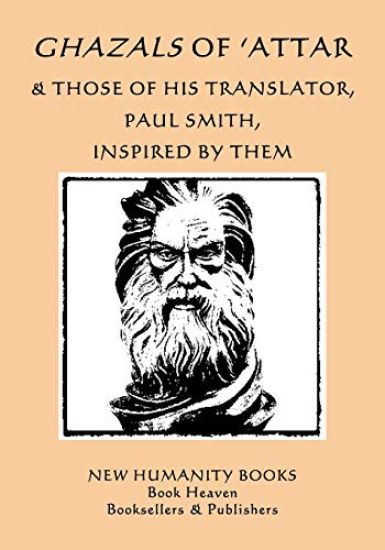
Ghazals of 'Attar & Those of His Translator, Paul Smith, Inspired by Them
Paul Smith
Independently Published
2019
pokkari
GHAZALS OF 'ATTAR & THOSE OF HIS TRANSLATOR, PAUL SMITH, INSPIRED BY THEM... Farid al-din 'Attar is seen with Sana'i and Rumi (who he met and influenced) as one of the three most important Sufi Poet-Masters of the 13th century. He composed over forty books mainly in the epic masnavi form, his most famous being The Book of God and The Conference of the Birds. He also composed many powerful mystical poems in the ghazal form that influenced Sadi and Hafiz and all who came later. 'Attar's powerful, honest and controversial ghazals remain as fresh today as they always were. With 'Attar the image of the 'rend'... the drunken debauchee, the thief of love, the carefree outsider, the honest scallywag, appears as the poet, the lover... the voice of the ghazal. The way of the malamati, or the path of 'no blame' has now stepped onto the stage of the play of the history of the ghazal and the story of the lover and beloved, the wine and the intoxicated, the Master and the devotee... will never be the same again Here is a largest translation of his ghazals in English in the correct-rhyme structure with the beauty and meaning and all by his translator inspired by their first couplets. Introduction: Life & Times and Poetry and essay on the Ghazal. Selected Bibliography, Glossary. 204 pages. Large Format Paperback 7" x 10". COMMENTS ON PAUL SMITH'S TRANSLATION HAFIZ'S 'DIVAN'."It is not a joke... the English version of ALL the ghazals of Hafiz is a great feat and of paramount importance. I am astonished." Dr. Mir Mohammad Taghavi (Dr. of Literature) Tehran. "Superb translations. 99% Hafiz 1% Paul Smith." Ali Akbar Shapurzman, translator of works in English into Persian and knower of Hafiz's Divan off by heart. "Smith has probably put together the greatest collection of literary facts and history concerning Hafiz." Daniel Ladinsky (Penguin Books author). Paul Smith (b.1945) is a poet, author and translator of many books of Sufi poets from the Persian, Arabic, Urdu, Turkish, Pashtu, Hindi and other languages... including Hafiz, Sadi, Nizami, Rumi, 'Attar, Sana'i, Jahan Khatun, Obeyd Zakani, Mu'in, Amir Khusrau, Nesimi, Kabir, Anvari, Ansari, Jami, Omar Khayyam, Rudaki, Yunus Emre, Mahsati, Lalla Ded, Makhfi, Ghalib, Iqbal, Rahman Baba, Bedil, Baba Farid, 'Iraqi, Ibn al-Farid, Nesimi, Amir Khusrau and many others, as well as his own poetry, fiction, plays, biographies, children's books and 12 screenplays. amazon.com/author/smithpa
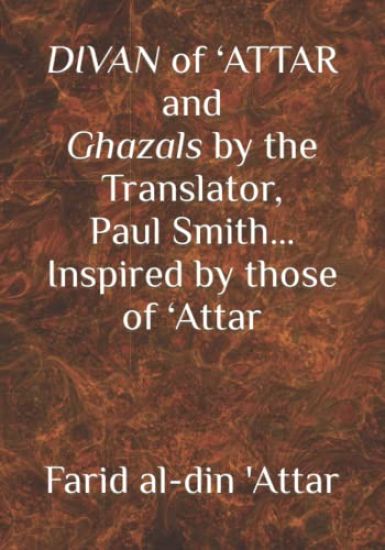
DIVAN of 'ATTAR and ghazals by the Translator, Paul Smith Inspired by those of 'Attar
Paul Smith
Independently Published
2020
pokkari
DIVAN of 'ATTAR and ghazals by the Translator, Paul Smith Inspired by those of 'Attar... Farid al-din 'Attar is seen with Sana'i and Rumi (who he met and influenced) as one of the three most important Sufi Poet-Masters of the 13th century. He composed over forty books mainly in the epic masnavi form of rhyming couplets, his most famous being The Book of God and The Conference of the Birds. He also composed many powerful mystical poems in the ghazal form that influenced Sadi and Hafiz and all who came later and he was a master in the ruba'i form and couplets in his Pand-Nama or 'Book of Wisdom'. Here for the first time is a selection of most of his ghazals and many other poems in the correct-rhyme structure with the beauty and meaning of many of his immortal poems. Included: Appendix over 60 Ghazals by the Translator, Paul Smith, Inspired by those of 'Attar. Introduction: Life & Times of 'Attar and his Poetry and an essay on Sufi Poetry. Bibliography, Glossary. 543 pages. Large Format 7" x 10" paperback. COMMENTS ON PAUL SMITH'S TRANSLATION HAFIZ'S 'DIVAN'. "It is not a joke... the English version of ALL the ghazals of Hafiz is a great feat and of paramount importance. I am astonished." Dr. Mir Mohammad Taghavi (Dr. of Literature) Tehran. "Superb translations. 99% Hafiz 1% Paul Smith." Ali Akbar Shapurzman, translator of works in English into Persian and knower of Hafiz's Divan off by heart. "Smith has probably put together the greatest collection of literary facts and history concerning Hafiz." Daniel Ladinsky (Penguin Books author). "I was very impressed with the beauty of these books." Dr. R.K. Barz. Faculty of Asian Studies, Australian National University. Paul Smith (b. 1945) is a poet, author and translator of many books of Sufi poets from the Persian, Arabic, Urdu, Turkish, Pashtu and other languages... including Hafiz, Sadi, Nizami, Rumi, 'Attar, Sana'i, Jahan Khatun, Obeyd Zakani, Mu'in, Amir Khusrau, Nesimi, Kabir, Anvari, Ansari, Jami, Omar Khayyam, Rudaki, Yunus Emre, Mahsati, Lalla Ded, Makhfi, Ghalib, Iqbal, Rahman Baba, Bedil, Baba Farid, 'Iraqi, Iqbal and many others, as well as his own poetry, fiction, plays, biographies, children's books, screenplays. amazon.com/author/smithpa New Humanity Books
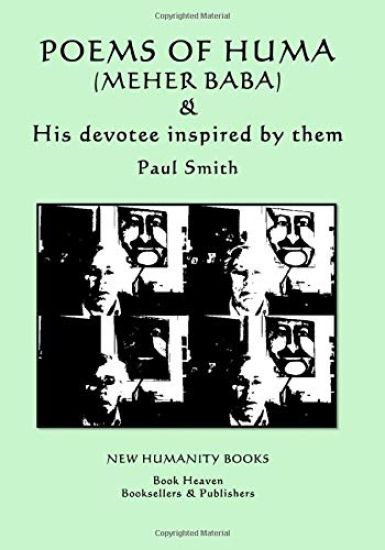
Poems of Huma (Meher Baba) & His devotee inspired by them - Paul Smith
Paul Smith
Createspace Independent Publishing Platform
2018
pokkari
POEMS OF HUMA (MEHER BABA) & His devotee inspired by them... Paul Smith Merwan S. Irani (1894-1969), known world-wide as Meher Baba, took Huma (Phoenix) as his takhallus or pen-name when he composed enlightened ghazals and other poems in a mixture of Persian, Urdu, Hindi & Gujarati from his twenties on. He knew the ghazals of Hafiz by heart. Merwan went on to reveal himself as a Perfect Master (Qutub) and later also declared himself as the Rasool or Messiah (Avatar). The correct rhyme-structure has been kept as well as the beauty and meaning of these important beautiful, inspiring, mystical poems. The Life of Meher Baba, The Ghazal and other forms he used, Selected Bibliography. The correct form and meaning is sought in all these enlightened poems. Now, after 40 years his devotee, translator and poet from the mid-sixties, Paul Smith, carries on the tradition and completes the task of ghazals inspired by couplets given by Huma with love and dedication and the experience of writing hundreds of his own (the first in English) and translating for over 40 years those of Huma, Hafiz, Sadi, Nesimi, 'Attar, Nizami, Kabir, Ghalib, 'Iraqi, Jigar and many others. Large Format Paperback 7" x 10" Pages 380. COMMENTS ON PAUL SMITH'S TRANSLATION OF HAFIZ'S 'DIVAN'."It is not a joke... the English version of ALL the ghazals of Hafiz is a great feat and of paramount importance. I am astonished. " Dr. Mir Mohammad Taghavi (Dr. of Literature) Tehran."Superb translations. 99% Hafiz 1% Paul Smith." Ali Akbar Shapurzman, translator of works into Persian and knower of Hafiz's Divan off by heart. "Smith has probably put together the greatest collection of literary facts and history concerning Hafiz." Daniel Ladinsky (Penguin Books author).Paul Smith (b. 1945) is a poet, author and translator of many books of Sufi poets of the Persian, Arabic, Urdu, Turkish, Pashtu and other languages including Hafiz, Sadi, Nizami, Rumi, 'Attar, Sana'i, Jahan Khatun, Obeyd Zakani, Mu'in, Amir Khusrau, Nesimi, Kabir, Anvari, Ansari, Jami, Omar Khayyam, Rudaki, Yunus Emre, Bulleh Shah, Shah Latif, Khushal Khan Khattak, Ghalib, Iqbal and many others, and his own poetry, fiction, children's books, plays, biographies and 12 screenplays. amazon.com/author/smithpa

Why did women in France not win the right to vote until 1945, three-quarters of a century after universal male suffrage had been established? The 1789 Déclaration des Droits de l'Homme et du Citoyen had aspired to provide the French people with lasting guarantees of their political and civil rights, whilst the constitutional laws of the Third Republic, established in the 1870s, consolidated a regime based on universal suffrage. For the unenfranchised women of France, however, civil rights had barely advanced since the Napoleonic code in 1904. Frenchwomen were not second-class citizens - they were not citizens at all, although this did not prevent Republicans from demanding sacrifices from women. In this fascinating and ground-breaking study, Paul Smith assesses why Frenchwomen were repeatedly refused the rights of citizenship, while their sisters elsewhere were gradually beginning to enjoy those rights. He examines how feminists in France set about staking a claim for the rights of all women to the vote, to their property, and to their bodies, and how they responded to republican and Catholic discourses on gender roles in the 1920s and 1930s. Finally, he analyses the political relationships established by French feminists in order to achieve their goal.
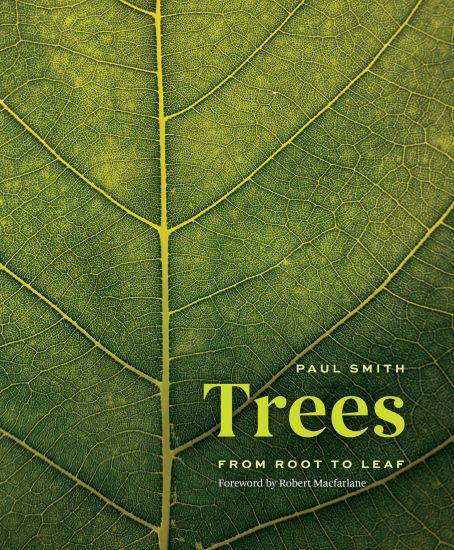
Trees seen like never before--a world expert presents a stunning compendium, illuminating science, conservation, and art. Trees provoke deep affection, spirituality, and creativity. They cover about a third of the world's land and play a crucial role in our environmental systems--influencing the water, carbon, and nutrient cycles and the global climate. This puts trees at the forefront of research into mitigating our climate emergency; we cannot understate their importance in shaping our daily lives and our planet's future. In these lavish pages, ecologist Paul Smith celebrates all that trees have inspired across nearly every human culture throughout history. Generously illustrated with over 450 images and organized according to tree life cycle--from seeds and leaves to wood, flowers, and fruit--this book celebrates the great diversity and beauty of the 60,000 tree species that inhabit our planet. Surprising photography and infographics will inspire readers, illustrating intricate bark and leaf patterns, intertwined ecosystems, colorful flower displays, archaic wooden wheels, and timber houses. In this lavishly illustrated book, Smith presents the science, art, and culture of trees. As we discover the fundamental and fragile nature of trees and their interdependence, we more deeply understand the forest without losing sight of the magnificent trees.
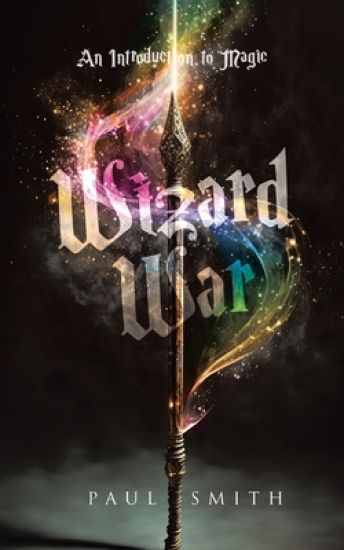
Wizard War is the story of Maxwell, who discovers he has magical powers. He is trained by the council of wizards who provide Maxwell with his introduction to magic and the wizarding world while teaching him about the perils of dark magic.
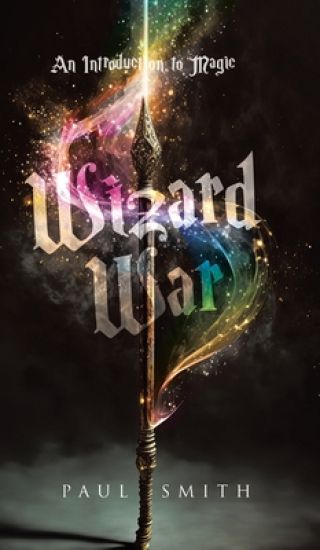
Wizard War is the story of Maxwell, who discovers he has magical powers. He is trained by the council of wizards who provide Maxwell with his introduction to magic and the wizarding world while teaching him about the perils of dark magic.

This is the story of Seth, registered nurse, and his fight for an accurate mental health diagnosis. Read through Seth's life and determine for yourself what the cause of Seth's post-traumatic stress disorder is.

This is the story of Seth, registered nurse, and his fight for an accurate mental health diagnosis. Read through Seth's life and determine for yourself what the cause of Seth's post-traumatic stress disorder is.
A clear and concise introduction to moral and political philosophy which critically analyses arguments about controversial and topical practical issues – drug laws, justifications of punishment, civil disobedience, whether there is a duty to obey the law, and global poverty.
A clear and concise introduction to moral and political philosophy which critically analyses arguments about controversial and topical practical issues – drug laws, justifications of punishment, civil disobedience, whether there is a duty to obey the law, and global poverty.
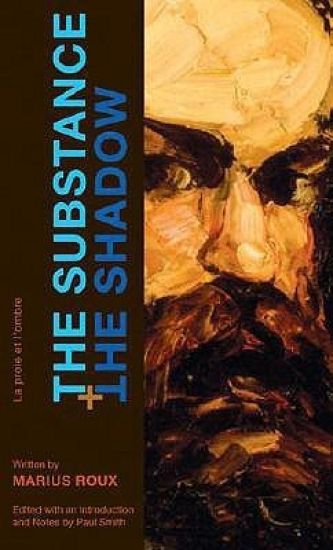
In 1878, the author Marius Roux, a noted friend of Emile Zola and Paul Cézanne, published La proie et l’ombre, a little-known roman à clef featuring a thinly disguised Cézanne as the main character, Germain Rambert. The text prominently features several conversations drawn from famous Impressionist discussions on the nature of art. La proie et l’ombre offers a unique insight into the thoughts and lives of the Impressionists. Cézanne scholar Paul Smith has resurrected this all-but-forgotten novel, recognizing its value in expanding our understanding of the Impressionists’ world in general and Cézanne’s in particular.This translation, titled The Substance and the Shadow, also brings to the foreground the effects of a burgeoning capitalist economy on the artistic practices of the period. With changes in the Salon and the dealer system, art in France was no longer reserved for the privileged few, and artists increasingly found themselves attempting to appeal to the merchant classes. Art had become a commercial endeavor in ways never before imagined, and the story details Rambert’s—and, by extension, Cézanne’s—attempts to cope with the shift.In a substantial introductory essay, Paul Smith discusses the nature of the roman à clef and its use as a historical document, and provides an examination of the relationship between Roux’s characters and their real-life counterparts.
This text aims to teach the basic principles of structures via simple explanations of the theory and numerous worked examples. The emphasis throughout is on problem based learning. The worked examples start from a fundamental level and progress to more intricate and taxing problems.
Painting, Science, and the Perception of Coloured Shadows
Paul Smith
TAYLOR FRANCIS LTD
2024
nidottu
Many artists and scientists – including Buffon, Goethe, and Philipp Otto Runge – who observed the vividly coloured shadows that appear outdoors around dawn and dusk, or indoors when a candle burns under waning daylight, chose to describe their colours as ‘beautiful’. Paul Smith explains what makes these ephemeral effects worthy of such appreciation – or how depictions of coloured shadows have genuine aesthetic and epistemological significance. This multidisciplinary book synthesises methodologies drawn from art history (close pictorial analysis), psychology and neuroscience (theories of colour constancy), history of science (the changing paradigms used to explain coloured shadows), and philosophy (theories of perception and aesthetic value drawn from Wittgenstein and Merleau-Ponty). This title will be of interest to scholars in art history, art theory, and the history of science and technology.

BOARDROOMS are experiencing major transformation and disruption as we transition into a world that demands greater transparency, digitalization and social accountability. The old ways of doing business are becoming less relevant. DIRECTORS now need different skills, a sense of purpose and capabilities that far exceed being well connected and experienced. There is an increasing demand for a new type of board member to help govern companies and organizations in the 21st century. But, where will the next generation of directors come from? And, how do you become a non-executive board director, especially if you consider yourself an 'outsider'? RIGHT SEAT, RIGHT TABLE offers a practical yet inspiring 'how-to' guide for getting a seat in the contemporary boardroom. In the book, you'll: - Follow a proven and universal methodology for finding and securing your ideal (first) board role. - Be inspired by the impactful boardroom journeys of people just like you. - Understand how to overcome the challenges faced by new directors trying to make a difference. - Ultimately learn what it takes to become an effective, successful, and influential non-executive board director.Paul Smith is co-founder and CEO of the Future Directors Institute. His business has empowered, trained, and supported hundreds of "outsiders" into their ideal boardrooms. He started his own governance career at a relatively young age and is now an experienced non-executive director and chairperson. He is also a coach, board advisor, international keynote speaker, and host of the popular podcast, Boardroom Hustle.
Trees: From Root to Leaf â?? A Financial Times Book of the Year
Paul Smith
ThamesHudson Ltd
2022
sidottu
A landmark publication that captures the beautiful richness of every aspect of trees and their importance for science, culture and the future of humankind. Trees feed us, shelter us, inspire us and heal us. In a world facing the destruction of the Amazon rainforest and a pressing climate emergency, the importance of these primeval beings in shaping our future is hard to understate. Generously illustrated and organized according to tree lifecycle - from seeds, leaves and form to wood, flowers and fruit - this book celebrates the great diversity and beauty of the 60,000 tree species that inhabit our planet. Exquisite details are rendered by surprising photography and infographics: intricate bark and leaf patterns, intertwined ecosystems, colourful flower displays, archaic wooden wheels and timber houses. Integral to science, art and culture, fundamental and fragile, dependent and depended on, the vitality of trees is revealed like never before.
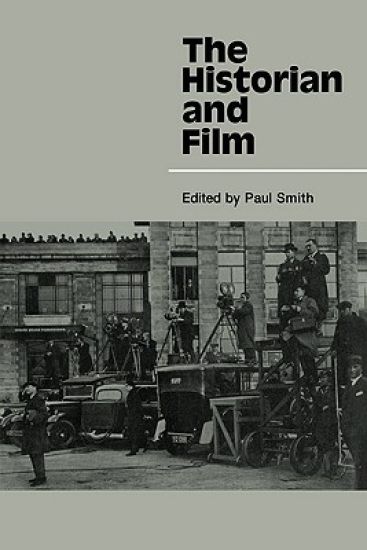
Film is increasingly engaging the attention of students of history at all levels. In its manifold forms from the newsreel to the 'feature', it is a major source of evidence for, and an important influence upon, contemporary history, and a vivid means of bringing the recent past to life. For earlier periods, it provides a medium in which the often widely dispersed visual evidences of the past can be brought together for the student. It offers the historian a new form in which to interpret and present his subject, and, as television has shown, it is by far the most important vehicle for the presentation of history to mass audiences. The analysis of its content and impact and the exploration of its uses are especially fitted to bring history into an interdisciplinary relationship with other fields, from sociology to the visual arts.