Kirjojen hintavertailu. Mukana 11 699 587 kirjaa ja 12 kauppaa.

Kirjahaku

Etsi kirjoja tekijän nimen, kirjan nimen tai ISBN:n perusteella.

3 kirjaa tekijältä Peter B. Kaufman

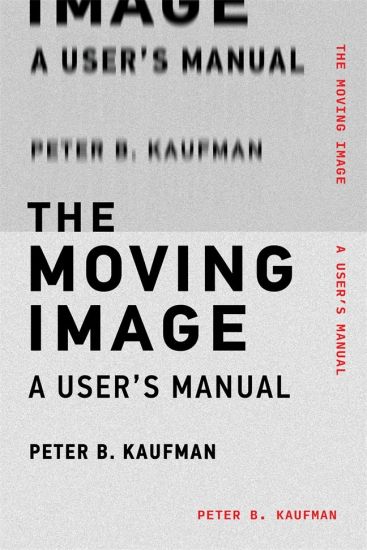
The Moving Image

The Moving Image

Peter B. Kaufman

MIT PRESS LTD
2025
nidottu
The definitive guidebook for using video in modern communication. Video (television, film, the moving image generally) is today's most popular information medium. Two-thirds of the world's internet traffic is video. Americans get their news and information more often from screens and speakers than through any other means. The Moving Image is the first authoritative account of how we have arrived here, together with the first definitive manual to help writers, educators, and publishers to use video more effectively. Drawing on decades as an educator, publisher, and producer, MIT's Peter Kaufman presents new tools, best practices, and community resources for integrating film and sound into media that matters. Kaufman describes video's vital role in politics, law, education, and entertainment today, only 130 years since the birth of film. He explains how best to produce video, distribute it, clear rights to it, cite it, and, ultimately, archive and preserve it. With detailed guidance on producing and deploying video and sound for publication, finding and using archival video and sound, securing rights and permissions, developing distribution strategies, and addressing questions about citation, preservation, and storage--across the broadest spectrum of platforms, publications, disciplines, and formats--The Moving Image equips readers for the medium's continued ascendance in education, publishing, and knowledge dissemination over the decades to come. And modeled in part on Strunk & White's classic Elements of Style, it's also a highly enjoyable read.
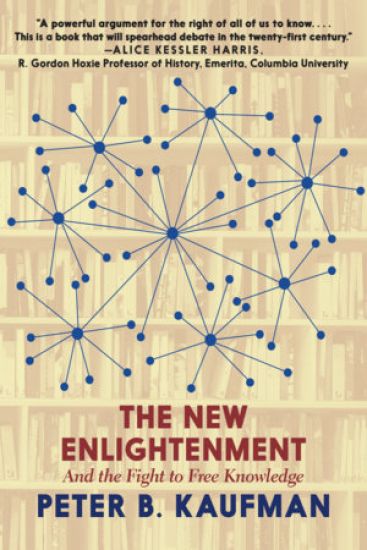
The New Enlightenment And The Fight To Free Knowledge

The New Enlightenment And The Fight To Free Knowledge

Peter B. Kaufman

Seven Stories Press,U.S.
2021
nidottu
How the internet transformed education and knowledge in the 21st century. Peter B. Kaufman is a visionary of the video age who, from his perch at Columbia and now MIT, sees what he calls "the Monsterverse" for what it is--an Internet dominated by purely commercial interests--and how, just maybe, we can change that. A publisher, teacher, and videographer, Kaufman describes how recapturing control over moving images and recorded sound can transform our online engagement from one that is stubbornly unsatisfying, aggravates inequities, and even facilitates totalitarianism, to one that can free our minds and transform education--in much the same way that the Encyclop die and the Enlightenment helped European society modernize and democratize in the 18th century. He reminds us how the control of publishing, broadcast media, and knowledge itself has evolved--and devolved. He looks at copyright law and other laws that govern the dissemination of information and intellectual freedoms in our digital age. Kaufman's subject is the battleground of ideas, how the fights there affect the quality of life in our society. He charts how corporate dominance of the Internet has meant that we the people have been losing these battles in recent decades and, most pressingly, he proposes new ways for us, finally, to start winning now "In many ways," writes Kaufman, "we are returning via the Internet to a world of sound and pictures--after a detour among letters for a few hundred years." He shows how a whole new era of visual education awaits us with exciting and unprecedented opportunities--opportunities that could expand the very definition of what it means to be a citizen in the 21st century.
The New Enlightenment and the Fight to Free Knowledge

The New Enlightenment and the Fight to Free Knowledge

Peter B. Kaufman

SEVEN STORIES PRESS
2021
sidottu
How do we create a universe of truthful and verifiable information, available to everyone? In The New Enlightenment and the Fight to Free Knowledge, MIT Open Learning's Peter B. Kaufman describes the powerful forces that have purposely crippled our efforts to share knowledge widely and freely. Popes and their inquisitors, emperors and their hangmen, commissars and their secret police--throughout history, all have sought to stanch the free flow of information. Kaufman writes of times when the Bible could not be translated--you'd be burned for trying; when dictionaries and encyclopedias were forbidden; when literature and science and history books were trashed and pulped--sometimes along with their authors; and when efforts to develop public television and radio networks were quashed by private industry. In the 21st century, the enemies of free thought have taken on new and different guises--giant corporate behemoths, sprawling national security agencies, gutted regulatory commissions. Bereft of any real moral compass or sense of social responsibility, their work to surveil and control us are no less nefarious than their 16th- and 18th- and 20th- century predecessors. They are all part of what Kaufman calls the Monsterverse. The New Enlightenment and the Fight to Free Knowledge maps out the opportunities to mobilize for the fight ahead of us. With the Internet and other means of media production and distribution--video especially--at hand, knowledge institutions like universities, libraries, museums, and archives have a special responsibility now to counter misinformation, disinformation, and fake news--and especially efforts to control the free flow of information. A film and video producer and former book publisher, Kaufman begins to draft a new social contract for our networked video age. He draws his inspiration from those who fought tooth and nail against earlier incarnations of the Monsterverse--including William Tyndale in the 16th century; Denis Diderot in the 18th; untold numbers of Soviet and Central and East European dissidents in the 20th--many of whom paid the ultimate price. Their successors? Advocates of free knowledge like Aaron Swartz, of free software like Richard Stallman, of an enlightened public television and radio network like James Killian, of a freer Internet like Tim Berners-Lee, of fuller rights and freedoms like Edward Snowden. All have been striving to secure for us a better world, marked by the right balance between state, society, and private gain. The concluding section of the book, its largest piece, builds on their work, drawing up a progressive agenda for how today's free thinkers can band together now to fight and win. With everything shut and everyone going online, The New Enlightenment and the Fight to Free Knowledge is a rousing call to action that expands the definition of what it means to be a citizen in the 21st century.