Kirjojen hintavertailu. Mukana 11 717 486 kirjaa ja 12 kauppaa.

Kirjahaku

Etsi kirjoja tekijän nimen, kirjan nimen tai ISBN:n perusteella.

5 kirjaa tekijältä Peter D. Ward

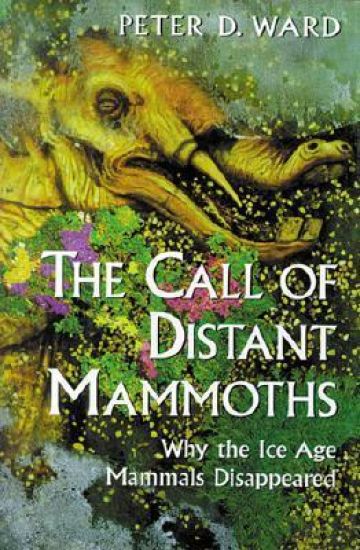
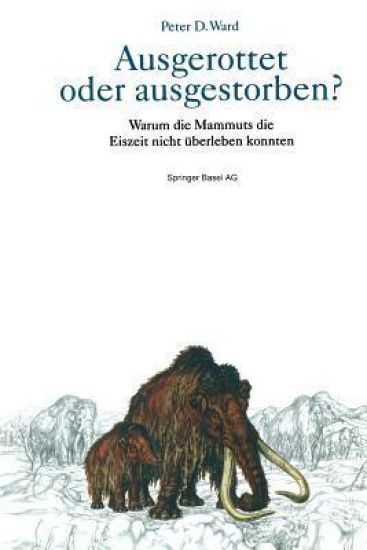
The Call of Distant Mammoths

The Call of Distant Mammoths

Peter D. Ward

Springer-Verlag New York Inc.
1997
sidottu
Just 12,000 years ago - at the height of the last Ice Age - saber-toothed tigers, giant ground sloths, camels, hippos and the great herds of proboscideans: giant mastodons and mammoths, extinct relatives of the elephant, roamed the land where skyscrapers now stand. Why are these splendid creatures no longer with us? This compelling book explores the reasons for these extinctions and provides a tour of mass extinctions throughout earth's history, including the great comet crash that killed off the dinosaurs. Brilliantly written, The Call of Distant Mammoths is an engaging exploration of the history of life and the importance of humanity as an evolutionary force.
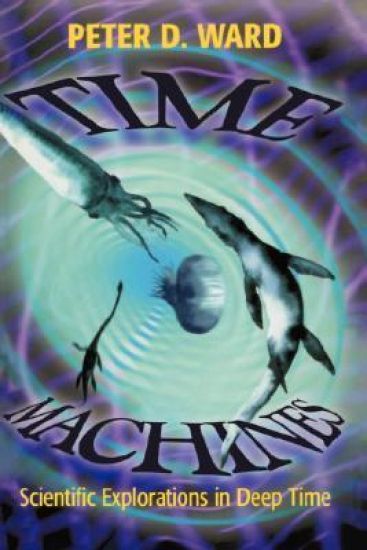
Time Machines

Time Machines

Peter D. Ward

Springer-Verlag New York Inc.
1998
sidottu
I n modem times, science has brought the past-and so many of its creatures-back to life via intellectual inquiry, application of the scientific method, and some extraordinary technology that has recently been devel­ oped. The wonder of the process is that such a rich and vivid understanding of the deep past has been generated from such scanty evidence: broken bones, lithified shells, fossil leaves, and even simple layered rocks. The sci­ entists who have contributed to this work have woven rich tapestries of an­ cient times, and their weaving, which is an adventure in itself, is the subject of this book. It is as if true time machines existed, enabling us to retreat through time's mists into the past, to examine the then-living as though liv­ ing still, to visit ancient worlds and reconstruct the lives their denizens led. vii TIME MA[HINES The past tantalizes us; it is part of our nature to seek clues about an­ cient times and our origins. Yet the past is far more than just some moment in time. In our own lives, for instance, it is also place, people (and other liv­ ing things), and history. Take the first day of school: the desks and posters, the windows and chalkboards, the people who left us there, the people we met. So, too, for paleontologists and archeologists is the deep past a conver­ gence of time, place, inhabitants, and their history or biological interactions.
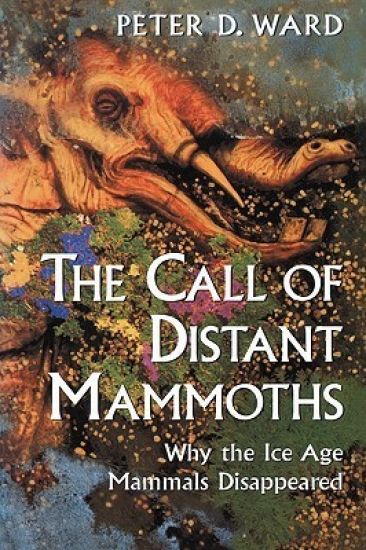
The Call of Distant Mammoths

The Call of Distant Mammoths

Peter D. Ward

Springer-Verlag New York Inc.
1998
nidottu
Just 12,000 years ago - at the height of the last Ice Age - saber-toothed tigers, giant ground sloths, camels, hippos and the great herds of proboscideans: giant mastodons and mammoths, extinct relatives of the elephant, roamed the land where skyscrapers now stand. Why are these splendid creatures no longer with us? This compelling book explores the reasons for these extinctions and provides a tour of mass extinctions throughout earth's history, including the great comet crash that killed off the dinosaurs. Brilliantly written, The Call of Distant Mammoths is an engaging exploration of the history of life and the importance of humanity as an evolutionary force.
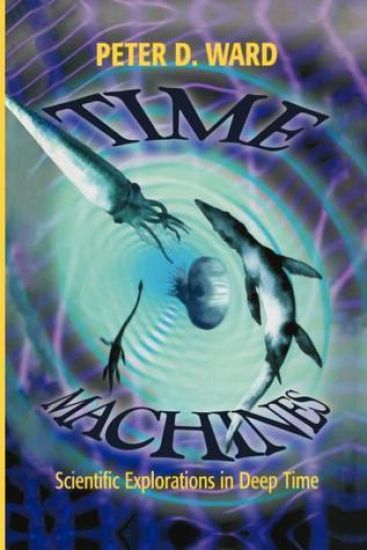
Time Machines

Time Machines

Peter D. Ward

Copernicus Books
2012
nidottu
I n modem times, science has brought the past-and so many of its creatures-back to life via intellectual inquiry, application of the scientific method, and some extraordinary technology that has recently been devel­ oped. The wonder of the process is that such a rich and vivid understanding of the deep past has been generated from such scanty evidence: broken bones, lithified shells, fossil leaves, and even simple layered rocks. The sci­ entists who have contributed to this work have woven rich tapestries of an­ cient times, and their weaving, which is an adventure in itself, is the subject of this book. It is as if true time machines existed, enabling us to retreat through time's mists into the past, to examine the then-living as though liv­ ing still, to visit ancient worlds and reconstruct the lives their denizens led. vii TIME MA[HINES The past tantalizes us; it is part of our nature to seek clues about an­ cient times and our origins. Yet the past is far more than just some moment in time. In our own lives, for instance, it is also place, people (and other liv­ ing things), and history. Take the first day of school: the desks and posters, the windows and chalkboards, the people who left us there, the people we met. So, too, for paleontologists and archeologists is the deep past a conver­ gence of time, place, inhabitants, and their history or biological interactions.