Kirjojen hintavertailu. Mukana 12 016 292 kirjaa ja 12 kauppaa.

Kirjahaku

Etsi kirjoja tekijän nimen, kirjan nimen tai ISBN:n perusteella.

5 kirjaa tekijältä Peter Forrester

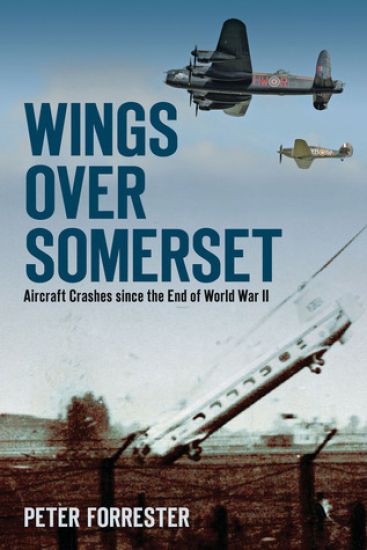
Wings Over Somerset

Wings Over Somerset

Peter Forrester

The History Press Ltd
2012
nidottu
One evening as he made his way to a local church social in the village hall during the 1950s, a loud crack shook the ground and the night sky turned to an orange glow, lighting the way for him. Shrugging his shoulders, the author made his way through the village, and in the distance he heard an explosion as a jet aircraft hit the ground. It was a common enough occurrence in the village of Ilton; RAF Merryfield was always losing aircraft and on a regular basis. Fifty years later, and in an effort to put his indifference right, the author began to investigate air crashes in and around Somerset. What he discovered appalled him at the sheer scale of it all. He now shares his findings of Somerset air crashes since 1945 with you.
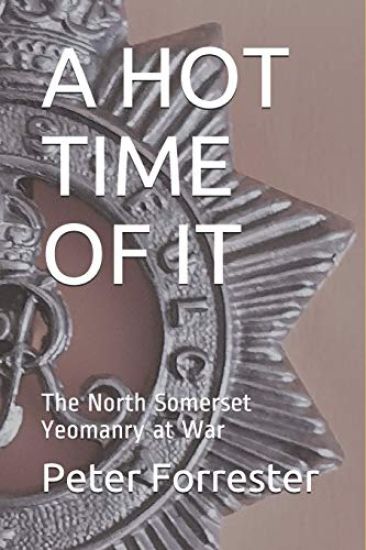
A Hot Time of It

A Hot Time of It

Peter Forrester

Independently Published
2019
pokkari
The First World War started slowly enough. In fact it was the cause of the longest bank holiday in British history. In August 1914 the British economy was being run ragged by the impending war. People in power were desperately trying to find a way to secure the financial position of Britain and prevent the banks from failing. The bank holiday, Monday 3rd August 1914, was simply extended by the government to include Tuesday 4th, Wednesday 5th and Thursday 6th August 1914. In order to stop the hoarding of gold coins the government introduced the 1 and the 10 shilling note. The lowest denomination note available at that time was the 5 note.The Bank of England was unable to prepare and print the required number of new notes quickly enough, so the government took the unprecedented step of deciding to issue the new notes on Friday 7th August 1914. This war was referred to locally as the European War and did not change until 1917 when the Americans entered the war. It then became known as the World War. The people of Bath, Somerset, did not envisage that it would affect them very much, for their local Territorial Regiments, the Yeomanry, were formed as Home Defence units only, and the local people imagined that this would be so. Anyway, it would all be over by Christmas.Territorial units were looked upon with disdain by their regular counterparts, being treated more as "weekend warriors" then true fighting men. Kitchener himself declined to use the existing Territorial Force as the basis for his New Army, because he was deeply suspicious of the poor performance put up by the French territorials in the Franco-Prussian War of 1870-1871. This book traces the story of the North Somerset Yeomanry from the day before mobilisation, Monday 3rd August 1914, right through to their first engagement in what was to become known as the First Battle of Ypres. Here they were pitted against and repulsed one of Germany's finest regular regiments, the Prussian Guards, on the 16th/17th November 1914.
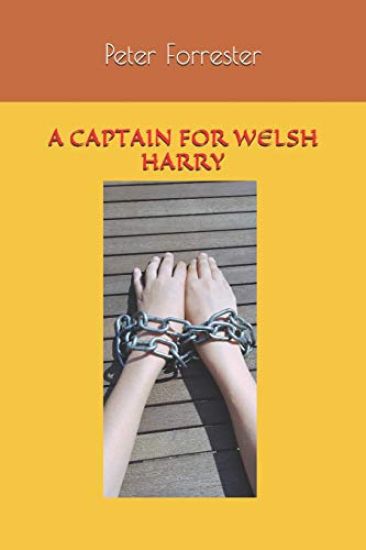
A Captain for Welsh Harry

A Captain for Welsh Harry

Peter Forrester

Independently Published
2018
nidottu
The last battle on English soil can offer several different times and locations as to when and where it occurred, depending on how you define the word "battle." It is generally agreed that the last pitched battle on English soil was the Battle of Sedgemoor, which took place on the 6th July 1685. James Scott, The Duke of Monmouth, landed at Lyme Regis, Devon, on the 11th June 1685. From there he raised an army to depose the Catholic King, James II. The first book of this swashbuckling trilogy, "A Captain for Monmouth," chronicles how a young gamekeeper from Whitelackington, Somerset, became entangled in this brief civil war. This book commences where the other left off. It begins with the flight from the battlefield of the defeated Duke of Monmouth and relates how Captain Oliver Hardman fared from there. What is recognised is how harshly King James II treated his captured rebels, and one man, Judge Jeffreys, rose to infamy during this period by sentencing many of them to death by hanging. What is not widely known is that many prisoners were sent as White Slaves to the Caribbean to work the plantations. We follow Oliver in his journey..........