Kirjojen hintavertailu. Mukana 11 244 527 kirjaa ja 12 kauppaa.

Kirjahaku

Etsi kirjoja tekijän nimen, kirjan nimen tai ISBN:n perusteella.

4 kirjaa tekijältä Peter Galassi

Proof

Proof

Peter Galassi

Yale University Press
2020
sidottu
A glimpse inside the darkroom—and into the strategies of renowned photographers This handsome volume offers an innovative perspective on the artistic processes of some of the most influential photographers of the 20th century. For decades before the advent of digital technology, the proof sheet or contact sheet was vital to the practice of photography. Photographers using roll film first saw positive images in the small-scale grid of the contact, which was marked for printing and served as a lasting reference. Because contact sheets typically remained out of view, they offer a privileged window into the working process. Photographers also recognized aesthetic potential in the proof sheet itself and occasionally presented the contact grid as a finished work of art. The lively but largely unexplored territory of the contact sheet is richly represented in the previously unpublished collection assembled by Mark Schwartz and Bettina Katz. As he charts this territory, Peter Galassi offers fresh insights into the work of Diane Arbus, Richard Avedon, Harry Benson, Harry Callahan, Larry Fink, Robert Frank, Emmet Gowin, Philippe Halsman, Arnold Newman, Irving Penn, and others.Distributed for the Cleveland Museum of ArtExhibition Schedule:Cleveland Museum of Art (February 7–April 19, 2020)
Tina Barney

Tina Barney

Peter Galassi

Rizzoli International Publications
2017
sidottu
Internationally acclaimed American artist Tina Barney burst on the scene in the early 1980s with her provocative yet intimate photographs capturing the domestic lives and social rituals of the elite. In choosing colour over black and white and producing large-format prints, she broke the tradition of established fine-art photography at the time. Her unstintingly honest portrayal of her subjects, many of whom are family and friends, remains completely original. Straddling the line between candid and choreographed photography, between engagement and detachment, she captures her subjects in a range of rarefied settings, both private and public. Her iconic tableaux suggest rich narratives or, as she has written, the synchronization of psychological, emotional, and sociological plots that bind a family together. Long awaited, this lavish survey is the most definitive book to date on Barney s work.
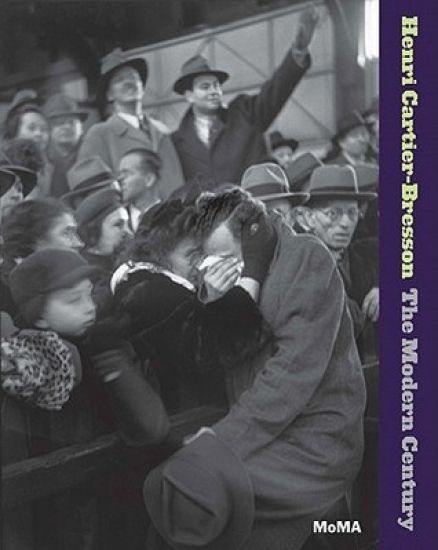
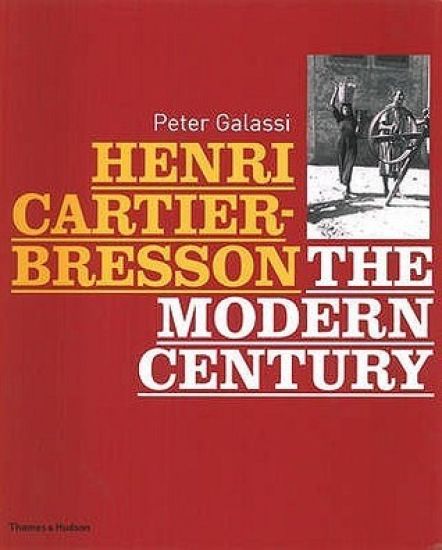
Henri Cartier-Bresson: The Modern Century

Henri Cartier-Bresson: The Modern Century

Peter Galassi

Museum of Modern Art
2010
sidottu
Henri Cartier-Bresson (1908-2004) is one of the most influential and beloved figures in the history of photography. His inventive work of the early 1930s helped define the creative potential of modern photography. Following World War II, he helped found the Magnum photo agency, which enabled photojournalists to reach a broad audience through magazines such as Life while retaining control over their work. Cartier-Bresson would go on to produce major bodies of photographic reportage, capturing such events as China during the revolution, the Soviet Union after Stalin's death, the United States in the postwar boom and Europe as its older cultures confronted modern realities. Published to accompany an exhibition at The Museum of Modern Art, this is the first major publication to make full use of the extensive holdings of the Fondation Cartier-Bresson--including thousands of prints and a vast resource of documents relating to the photographer's life and work. The heart of the book surveys Cartier-Bresson's career through 300 photographs divided into 12 chapters. While many of his most famous pictures are included, a great number of images will be unfamiliar even to specialists. A wide-ranging essay by Peter Galassi, Chief Curator of Photography at the Museum, offers an entirely new understanding of Cartier-Bresson's extraordinary career and its overlapping contexts of journalism and art. The extensive supporting material--featuring detailed chronologies of the photographer's professional travels and of spreads of his picture stories as they appeared in magazines--will revolutionize the study of Cartier-Bresson's work.