Details the 400 vessels that came into a bay on the Suffolk coast and never left it: sunk or stranded for the most part by gales, greed or gunshot; a timeworn minority abandoned or broken up where they lay. This work features information about the character of Sole Bay and the vessels that sailed its waters.
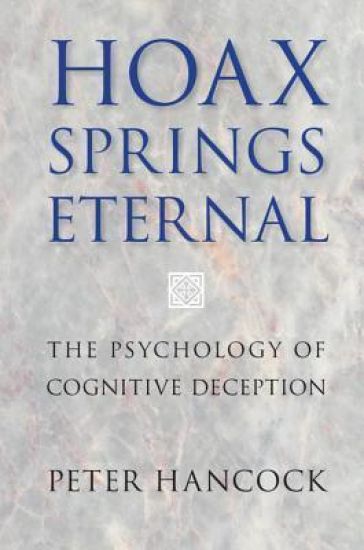
Unlike sleights of hand, which fool the senses, sleights of mind challenge cognition. This book defines and explains cognitive deception and explores six prominent potential historical instances of it: the Cross of King Arthur, Drake's Plate of Brass, the Kensington Runestone, the Vinland Map, the Piltdown Man, and the Shroud of Turin. In spite of evidence contradicting their alleged origins, their stories continue to persuade many of their authenticity. Peter Hancock uses these purported hoaxes as case studies to develop and demonstrate fundamental principles of cognitive psychology. By dissecting each ostensible artifact, he illustrates how hoaxes can deceive us and offers us defenses against them. This book further examines how and why we allow others to deceive us and how and why we even deceive ourselves at times. Accessible to beginner and expert alike, Hoax Springs Eternal provides an essential interdisciplinary guide to cognitive deception.
Unlike sleights of hand, which fool the senses, sleights of mind challenge cognition. This book defines and explains cognitive deception and explores six prominent potential historical instances of it: the Cross of King Arthur, Drake's Plate of Brass, the Kensington Runestone, the Vinland Map, the Piltdown Man, and the Shroud of Turin. In spite of evidence contradicting their alleged origins, their stories continue to persuade many of their authenticity. Peter Hancock uses these purported hoaxes as case studies to develop and demonstrate fundamental principles of cognitive psychology. By dissecting each ostensible artifact, he illustrates how hoaxes can deceive us and offers us defenses against them. This book further examines how and why we allow others to deceive us and how and why we even deceive ourselves at times. Accessible to beginner and expert alike, Hoax Springs Eternal provides an essential interdisciplinary guide to cognitive deception.
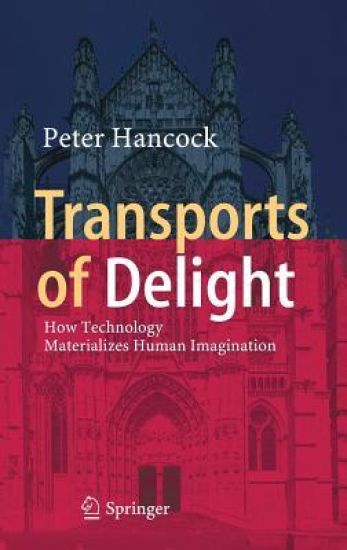
This inspiring book shows how the spiritual side of life, with its thoughts, feelings, and aspirations, is intimately bound up with our material technologies. From the wonder of Gothic Cathedrals, to the quiet majesty of lighter than air flight, to the ultimate in luxury of the north Atlantic steamers, Peter Hancock explores how these sequential heights of technology have enabled our dreams of being transported to new and uncharted realms to become reality. Sometimes literally, sometimes figuratively, technology has always been there to make material the visions of our imagination. This book shows how this has essentially been true for all technologies from Stonehenge to space station.But technology is far from perfect. Indeed, the author argues here that some of the most public and tragic of its failures still remain instructive, emblematic, and even inspiring. He reports on examples such as a Cathedral of the Earth (Beauvais), a Cathedral of the Seas (Titanic), and aCathedral of the Air (Hindenburg) and tells their stories from the viewpoint of material transcendence. By interweaving their stories he reveals how technologies can succeed in elevating human beings and, in taking them to whole new realms of being, he explores and explains why these experiences are ‘Transports of Delight.’
This inspiring book shows how the spiritual side of life, with its thoughts, feelings, and aspirations, is intimately bound up with our material technologies. From the wonder of Gothic Cathedrals, to the quiet majesty of lighter than air flight, to the ultimate in luxury of the north Atlantic steamers, Peter Hancock explores how these sequential heights of technology have enabled our dreams of being transported to new and uncharted realms to become reality. Sometimes literally, sometimes figuratively, technology has always been there to make material the visions of our imagination. This book shows how this has essentially been true for all technologies from Stonehenge to space station.But technology is far from perfect. Indeed, the author argues here that some of the most public and tragic of its failures still remain instructive, emblematic, and even inspiring. He reports on examples such as a Cathedral of the Earth (Beauvais), a Cathedral of the Seas (Titanic), and aCathedral of the Air (Hindenburg) and tells their stories from the viewpoint of material transcendence. By interweaving their stories he reveals how technologies can succeed in elevating human beings and, in taking them to whole new realms of being, he explores and explains why these experiences are ‘Transports of Delight.’