Kirjojen hintavertailu. Mukana 12 409 415 kirjaa ja 12 kauppaa.

Kirjahaku

Etsi kirjoja tekijän nimen, kirjan nimen tai ISBN:n perusteella.

4 kirjaa tekijältä Peter J. Schakel

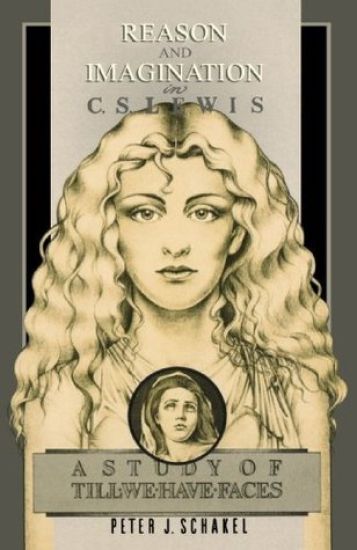
Reason and Imagination in C.S. Lewis

Reason and Imagination in C.S. Lewis

Peter J. Schakel

William B Eerdmans Publishing Co
1984
pokkari
The first study of C.S. Lewis to offer a detailed examination of "Till We Have Faces," Peter J. Schakel's book is also the first to explore the tension between reason and imagination that significantly shaped Lewis' thinking and writing. Schakel begins with a close analysis of "Till We Have Faces" which leads the readers through the plot, clarifying its themes and it discusses structure, symbols and allusions. The second part of the book surveys Lewis' works, tracing the tension between reason and imagination. In the works of the thirties and forties reason is in the ascendant; from the early fifties on, in works such as the Chronicles of Narnia, there is an increased emphasis on imagination - which culminates in the fine "myth retold," "Till We Have Faces." Imagination and reason are reconciled, finally in the works of the early sixties such as "A Grief Observed" and "Letters to Malcolm." PETER J. SCHAKEL is Professor of English at Hope College, Holland, MI. "This book is what Lewis scholarship ought to be. It is the most thoughtful, careful Lewis study yet." - Peter Kreeft "Reason and Imagination" is a remarkable achievement, literary criticism that is both wise and moving." - Margaret Hannay "Peter Schakel brings to C. S. Lewis scholarship what has often been lacking, namely rigorous scholarly method and real critical detachment. His study of "Till We Have Faces" is a major contribution to Lewis studies." - Thomas Howard
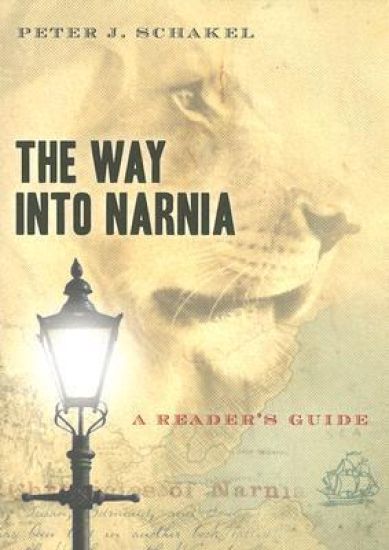
The Way Into Narnia

The Way Into Narnia

Peter J. Schakel

William B Eerdmans Publishing Co
2005
pokkari
How did a middle-aged professor with no children write books that have become beloved classics of children's literature? What is the best order for reading the Chronicles of Narnia? Whatever one's question, "The Way into Narnia" offers valuable guidance for first-time visitors to Narnia and fresh insights for those who have already traveled there often. Exploring ideas from Lewis's friend J. R. R. Tolkien, Peter Schakel shows that the best way to enter Narnia is to read the Chronicles as fairy tales. After walking readers through each of the books, he concludes the tour with a unique section of annotations that clarify unfamiliar words and unusual passages.
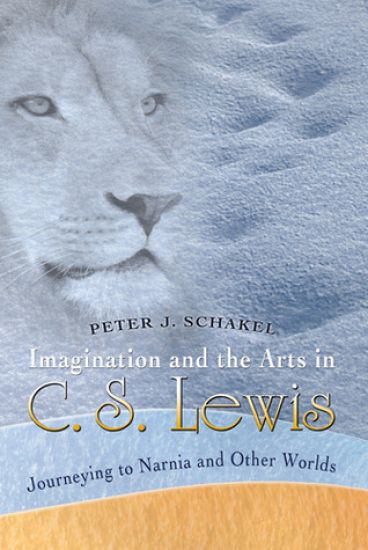
Imagination and the Arts in C.S. Lewis

Imagination and the Arts in C.S. Lewis

Peter J. Schakel

University of Missouri Press
2011
nidottu
Imagination has long been regarded as central to C. S. Lewis's life and to his creative and critical works, but this is the first study to provide a thorough analysis of his theory of imagination, including the different ways he used the word and how those uses relate to each other. Peter Schakel begins by concentrating on the way reading or engaging with the other arts is an imaginative activity. He focuses on three books in which imagination is the central theme—Surprised by Joy, An Experiment in Criticism, and The Discarded Image—and shows the important role of imagination in Lewis's theory of education. He then examines imagination and reading in Lewis's fiction, concentrating specifically on the Chronicles of Narnia, the most imaginative of his works. He looks at how the imaginative experience of reading the Chronicles is affected by the physical texture of the books, the illustrations, revisions of the texts, the order in which the books are read, and their narrative "voice," the "storyteller" who becomes almost a character in the stories. Imagination and the Arts in C. S. Lewis also explores Lewis's ideas about imagination in the nonliterary arts. Although Lewis regarded engagement with the arts as essential to a well- rounded and satisfying life, critics of his work and even biographers have given little attention to this aspect of his life. Schakel reviews the place of music, dance, art, and architecture in Lewis's life, the ways in which he uses them as content in his poems and stories, and how he develops some of the deepest, most significant themes of his stories through them. Schakel concludes by analyzing the uses and abuses of imagination. He looks first at "moral imagination." Although Lewis did not use this term, Schakel shows how Lewis developed the concept in That Hideous Strength and The Abolition of Man long before it became popularized in the 1980s and 1990s. While readers often concentrate on the Christian dimension of Lewis's works, equally or more important to him was their moral dimension. Imagination and the Arts in C. S. Lewis will appeal to students and teachers of both children's literature and twentieth-century British writers. It will also be of value to readers who wish to compare Lewis's creations with more recent imaginative works such as the Harry Potter series.
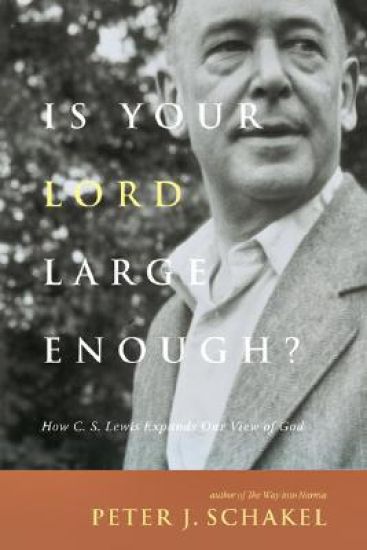
Is Your Lord Large Enough?

Is Your Lord Large Enough?

Peter J. Schakel

Inter-Varsity Press,US
2008
nidottu
Peter Schakel opens to you the more practical parts of C S Lewis' wonderful writings. Covering areas of potential struggle such as prayer, suffering, doubt and control, Schakel draws principles from Lewis' non-fiction as well as illustrations from the "Chronicles of Narnia" to stir your imagination and soul so that you might see God in new ways.