Kirjojen hintavertailu. Mukana 11 627 064 kirjaa ja 12 kauppaa.

Kirjahaku

Etsi kirjoja tekijän nimen, kirjan nimen tai ISBN:n perusteella.

4 kirjaa tekijältä Peter Kaye

Dostoevsky and English Modernism 1900–1930

Dostoevsky and English Modernism 1900–1930

Peter Kaye

Cambridge University Press
2006
pokkari
When Constance Garnett's translations (1910–20) made Dostoevsky's novels accessible in England for the first time they introduced a disruptive and liberating literary force, and English novelists had to confront a new model and rival. The writers who are the focus of this study - Lawrence, Woolf, Bennett, Conrad, Forster, Galsworthy and James - either admired or feared Dostoevsky as a monster who might dissolve all literary and cultural distinctions. Though their responses differed greatly, these writers were unanimous in their inability to recognize Dostoevsky as a literary artist. They viewed him instead as a psychologist, a mystic, a prophet and, in the cases of Lawrence and Conrad, a hated rival who compelled creative response. This study constructs a map of English modernist novelists' misreadings of Dostoevsky, and in so doing it illuminates their aesthetic and cultural values and the nature of the modern English novel.
Dostoevsky and English Modernism 1900–1930

Dostoevsky and English Modernism 1900–1930

Peter Kaye

Cambridge University Press
1999
sidottu
When Constance Garnett's translations (1910–20) made Dostoevsky's novels accessible in England for the first time they introduced a disruptive and liberating literary force, and English novelists had to confront a new model and rival. The writers who are the focus of this study - Lawrence, Woolf, Bennett, Conrad, Forster, Galsworthy and James - either admired or feared Dostoevsky as a monster who might dissolve all literary and cultural distinctions. Though their responses differed greatly, these writers were unanimous in their inability to recognize Dostoevsky as a literary artist. They viewed him instead as a psychologist, a mystic, a prophet and, in the cases of Lawrence and Conrad, a hated rival who compelled creative response. This study constructs a map of English modernist novelists' misreadings of Dostoevsky, and in so doing it illuminates their aesthetic and cultural values and the nature of the modern English novel.
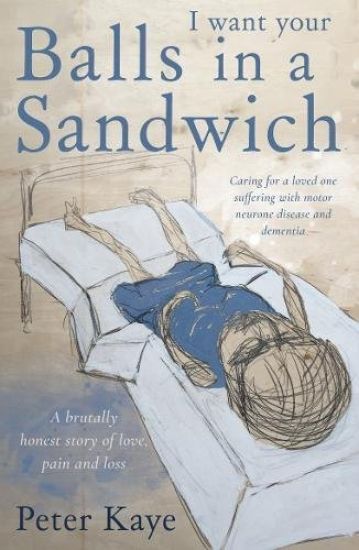
Balls in a Sandwich

Balls in a Sandwich

Peter Kaye

Matador
2017
nidottu
Over 850,000 people suffer from dementia in the UK today. A brutally honest story of love, pain and loss. “I want your balls in a sandwich” were the last intelligible words that Peter Kaye’s wife Bet said to him. Sadly they were delivered with, seemingly, the same degree of venom and hatred that had come to epitomise their last two years together, and sum up the vindictiveness that is so often a result of dementia. This book is about those two years, but is also the fifty year love story that preceded those final years of losing the person you love most. The author explains what it is like being a carer, and of what happens to someone after that role, which has dominated your life for so long, has come to an end. Peter Kaye’s autobiography of caring for his wife is a story full of the pain that comes with this horrific disease, but it is also a story of love, and humour and the positives in life that he has found from this time.
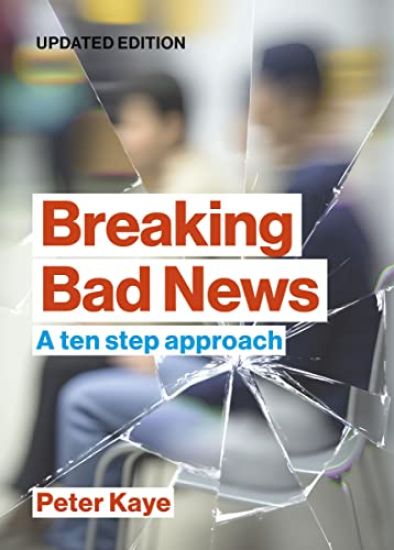
Breaking Bad News

Breaking Bad News

Peter Kaye

SCION PUBLISHING LTD
2023
nidottu
Breaking Bad News provides practical guidance on the key principles needed to create a framework for discussions with the patient Key Features: Concise, practical guideFeatures a simple 10 step approachClear explanations with key phrases for you to useFor doctors, students and healthcare professionals The ability to impart bad news well is an important skill for all doctors and many healthcare professionals. But it is perceived as a particularly stressful part of the job, even though it is a skill that can easily be understood and practised. When handled well it can significantly enhance the relationship with the patient and their relatives. 10 Simple Steps The principles are presented as 10 simple steps which emphasise that the process of breaking bad news is a negotiation with the patient to ensure that you provide them with the correct level of information they need at that time. The steps also encourage the patient to talk and think about their situation. Each of the steps is clearly explained and sample questions and key phrases are provided to help you navigate these discussions effectively and with compassion. If you learn to ask questions of the patient first and then elicit their concerns, you will help them and you will gain their trust.