Kirjojen hintavertailu. Mukana 11 699 587 kirjaa ja 12 kauppaa.

Kirjahaku

Etsi kirjoja tekijän nimen, kirjan nimen tai ISBN:n perusteella.

5 kirjaa tekijältä Peter Loizos

Innovation in Ethnographic Film

Innovation in Ethnographic Film

Peter Loizos

University of Chicago Press
1993
sidottu
In the first coprehensive introduction to the nature and development of ethnographic film, Peter Loizos reviews fifty of the most important films made between 1955 and 1985. Going beyond programmatic statements, he analyzes the films themselves, identifying and discussing their contributions to ethnographic documentation. Loizos begins by reviewing works of John Marshall and Timothy Asch in the 1950s and moves through those of Jean Rouch, Robert Gardner, and many more recent filmmakers. He reveals a steady course of innovations along four dimensions: production technology, subject matter, strategies of argument, and ethnographic authentication. His analyses of individual films address questions of realism, authenticity, genre, authorial and subjective voice, and representation of the films' creators as well as their subjects. "Innovation in Ethnographic Film," as a systematic and iluminating review of developments in ethnographic film, will be an important resource for the growing number of anthropologists and other scholars who use such films as tools for research and teaching.
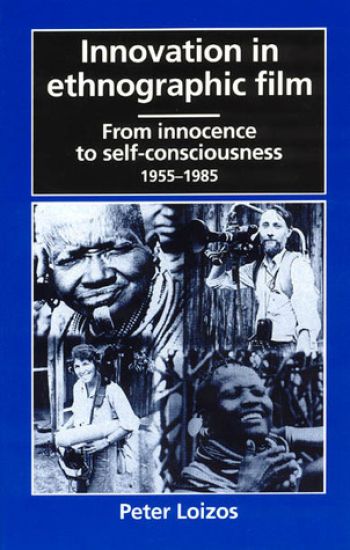
Innovation in Ethnographic Film

Innovation in Ethnographic Film

Peter Loizos

University of Chicago Press
1993
pokkari
In the first coprehensive introduction to the nature and development of ethnographic film, Peter Loizos reviews fifty of the most important films made between 1955 and 1985. Going beyond programmatic statements, he analyzes the films themselves, identifying and discussing their contributions to ethnographic documentation. Loizos begins by reviewing works of John Marshall and Timothy Asch in the 1950s and moves through those of Jean Rouch, Robert Gardner, and many more recent filmmakers. He reveals a steady course of innovations along four dimensions: production technology, subject matter, strategies of argument, and ethnographic authentication. His analyses of individual films address questions of realism, authenticity, genre, authorial and subjective voice, and representation of the films' creators as well as their subjects. Innovation in Ethnographic Film, as a systematic and iluminating review of developments in ethnographic film, will be an important resource for the growing number of anthropologists and other scholars who use such films as tools for research and teaching.
The Heart Grown Bitter

The Heart Grown Bitter

Peter Loizos

Cambridge University Press
1981
pokkari
In August 1974 most of the inhabitants of Argaki, a prosperous Cypriot village, fled from their homes in the face of an advancing army. In a matter of days they had become war refugees. This book is an account of their experiences before, during and after their flight from their village. Peter Loizos had made an anthropological study of Argaki before 1974 and is also related to some of its families. This has enabled him to combine the methods and approaches of an anthropologist with the personal insight of a family member and his account of the villagers' experiences is moving, vivid and sympathetic. No anthropologist has ever previously recorded so poignantly the experiences of the victims of war; this compassionate and sensitive book will be of compelling interest to all readers concerned about the aftermath of war and the problems of refugees.
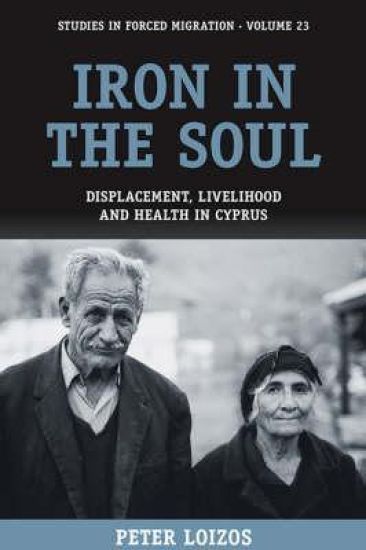
Iron in the Soul

Iron in the Soul

Peter Loizos

Berghahn Books
2008
sidottu
In his vivid, lively account of how Greek Cypriot villagers coped with a thirty-year displacement, Peter Loïzos follows a group of people whom he encountered as prosperous farmers in 1968, yet found as disoriented refugees when revisiting in 1975. By providing a forty year in-depth perspective unusual in the social sciences, this study yields unconventional insights into the deeper meanings of displacement. It focuses on reconstruction of livelihoods, conservation of family, community, social capital, health (both physical and mental), religious and political perceptions. The author argues for a closer collaboration between anthropology and the life sciences, particularly medicine and social epidemiology, but suggests that qualitative life-history data have an important role to play in the understanding of how people cope with collective stress.
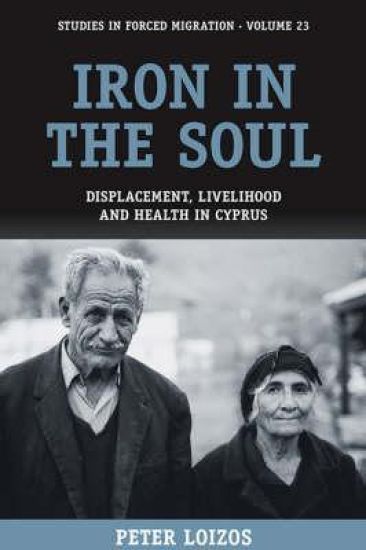
Iron in the Soul

Iron in the Soul

Peter Loizos

Berghahn Books
2008
pokkari
In his vivid, lively account of how Greek Cypriot villagers coped with a thirty-year displacement, Peter Loïzos follows a group of people whom he encountered as prosperous farmers in 1968, yet found as disoriented refugees when revisiting in 1975. By providing a forty year in-depth perspective unusual in the social sciences, this study yields unconventional insights into the deeper meanings of displacement. It focuses on reconstruction of livelihoods, conservation of family, community, social capital, health (both physical and mental), religious and political perceptions. The author argues for a closer collaboration between anthropology and the life sciences, particularly medicine and social epidemiology, but suggests that qualitative life-history data have an important role to play in the understanding of how people cope with collective stress.