Kirjojen hintavertailu. Mukana 11 244 527 kirjaa ja 12 kauppaa.

Kirjahaku

Etsi kirjoja tekijän nimen, kirjan nimen tai ISBN:n perusteella.

5 kirjaa tekijältä Peter Philippson

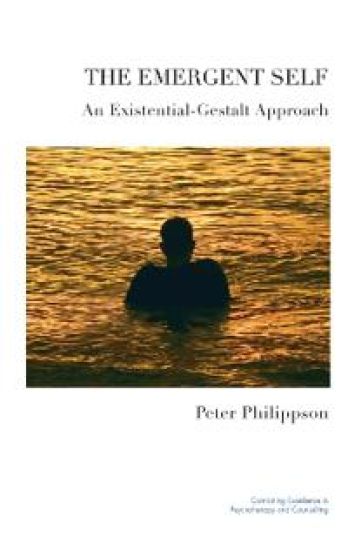
The Emergent Self

The Emergent Self

Peter Philippson

Routledge
2019
sidottu
This book tracks a particular understanding of self, philosophically, from research evidence and in its implications for psychotherapy. At each step, the author includes first the theory he is working from, then the clinical implications of the theory, followed by some links to the philosophical outlook inherent in the theory, and finally a more extended case example.It takes the view that the continuing self is partly an illusion, partly a construct, and that we in fact have to work to stay the same in the face of all the different possibilities the world offers us. The author believes that we do this for two reasons. First of all, continuity allows deeper contact: friendships, loving relationships with partners and families. Secondly, and balancing this, the predictable is less anxiety-producing, and that we avoid this existential anxiety by acting in a stereotyped way and avoiding some of the depths of contact.
Gestalt Therapy

Gestalt Therapy

Peter Philippson

Routledge
2019
sidottu
This book is a collection of articles written in the period 1985–2011. The articles form a background for perspectives that concern the foundations of Gestalt therapy: foundations in philosophy and foundations in psychoanalysis and connections with other therapeutic theories.
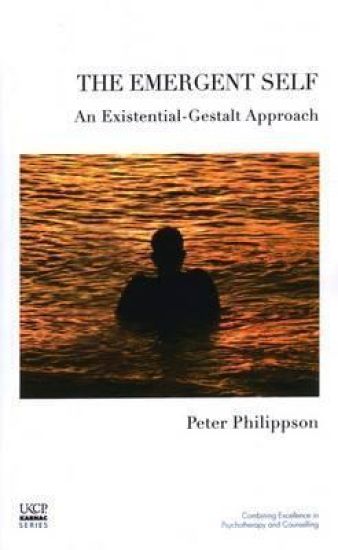
The Emergent Self

The Emergent Self

Peter Philippson

Karnac Books
2009
nidottu
This book tracks a particular understanding of self, philosophically, from research evidence and in its implications for psychotherapy. At each step, the author includes first the theory he is working from, then the clinical implications of the theory, followed by some links to the philosophical outlook inherent in the theory, and finally a more extended case example.It takes the view that the continuing self is partly an illusion, partly a construct, and that we in fact have to work to stay the same in the face of all the different possibilities the world offers us. The author believes that we do this for two reasons. First of all, continuity allows deeper contact: friendships, loving relationships with partners and families. Secondly, and balancing this, the predictable is less anxiety-producing, and that we avoid this existential anxiety by acting in a stereotyped way and avoiding some of the depths of contact.