

Kirjahaku
Etsi kirjoja tekijän nimen, kirjan nimen tai ISBN:n perusteella.
6 kirjaa tekijältä Phoebe Caldwell
Autism - Respecting Difference: An Inside View of Autism for Carers, Professionals and Families
Phoebe Caldwell
Pavilion Publishing and Media Ltd
2022
nidottu
Autism: Respecting Difference is a concise, straightforward introduction to the sensory and emotional experiences of autism, designed to help support staff, professionals, and families better understand and engage with autistic people in order to offer meaningful and effective support. It is difficult to know how other people feel, since we all assume we see, hear, and generally experience the world in the same way. For autistic people, the world they experience can be very different to ours. Autism: Respecting Difference is designed to help people who are new to autism understand how it might feel to be autistic, and how over- and under-sensitivities to incoming signals can overload the autistic brain, triggering anxiety and pain. Illustrated by artist Jodie Zutt, the book takes readers on a journey into the 'brainworld of autism' in order to better understand and support those who live each day with the challenges of this condition. Adopting a Responsive Communication approach, it explores how to reduce sensory overload while simultaneously establishing emotional engagement and interaction via use of an individual's body language and themes that have particular meaning for them.
Phoebe Caldwell's remarkable new book makes accessible for the first time the complex, intricate inner and sensory worlds of people whose learning disabilities are combined with autistic spectrum disorder and, often, difficult-to-manage behaviour. Based on many years of working with such people, many of whom have withdrawn into a world of their own, she explores the different sensory reality they experience, showing it to be infinitely more complex and varied than is widely understood. She introduces a practical approach known as Intensive Interaction, which uses the body language of such people - who have hitherto largely been regarded as unreachable - to get in touch with them, giving them a way of expressing themselves which shifts their attention from solitary self-stimulation to shared activity. The outcome is not only a marked improvement in behaviour and ability to communicate but, more important, many parents will say 'they are just much happier'.Covering not only the practical aspects of introducing this technique, but also the thinking behind it, this landmark book has much to say on behalf of a group that has in the past largely been denied a voice, and will open new avenues for both practice and research. It is invaluable for parents, carers, and all who work with this group.
If you have no language, how can you make yourself understood, let alone make friends? Phoebe Caldwell has worked for many years with people with severe intellectual disabilities and/or autistic spectrum disorder who are non-verbal, and whose inability to communicate has led to unhappy and often violent behaviour. In this new book she explores the nature of close relationships, and shows how these are based not so much on words as on the ability to listen, pay attention, and respond in terms that are familiar to the other person.This is the key to Intensive Interaction, which she shows is a straightforward and uncomplicated way, through attending to body language and other non-verbal means of communication, of establishing contact and building a relationship with people who are non-verbal, even those in a state of considerable distress. This simple method is accessible to anyone who lives or works with such people, and is shown to transform lives and to introduce a sense of fun, of participation and of intimacy, as trust and familiarity are established.
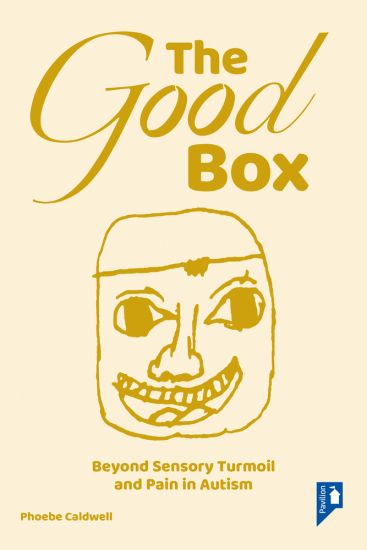
In her influential and successful book The Anger Box, expert practitioner Phoebe Caldwell shifted attention away from the surface symptoms of autism and towards understanding sensory experiences and alleviating the distress associated with them. 'The Anger Box' of the title was a drawing by William, then aged six, of the sensations he felt when he lost control due to sensory overload. The book ended with William's 'Good Box', representing his experience of calm and relief. Bringing together ideas and material from The Anger Box as well as the later Hall of Mirrors, Shards of Clarity (which explored sense of self), and integrating updates and findings from a further decade of autism research, The Good Box gathers and extends insights from a pioneer of the field now in her ninetieth year. It also reflects a further shift of focus away from distress and towards acceptance and more positive interpretations of autistic experiences.
