Kirjojen hintavertailu. Mukana 12 016 292 kirjaa ja 12 kauppaa.

Kirjahaku

Etsi kirjoja tekijän nimen, kirjan nimen tai ISBN:n perusteella.

4 kirjaa tekijältä Pierfausto Seneci

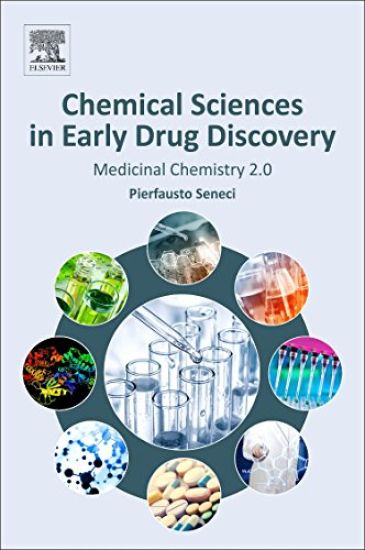
Chemical Sciences in Early Drug Discovery

Chemical Sciences in Early Drug Discovery

Pierfausto Seneci

Elsevier / The Lancet
2018
nidottu
Chemical Sciences in Early Drug Discovery: Medicinal Chemistry 2.0 describes how new technologies and approaches can be used to improve the probability of success in fulfilling the perennial goal of finding and developing new drugs. Drawing on the author's extensive experience consulting and teaching in medicinal chemistry, the book outlines ways in which medicinal chemistry is widening its reach to meet modern demands, and how modern technologies and approaches are facilitating this growth into new fields. Supported by examples throughout, the book is a practical resource for organic-medicinal chemists, biological chemists and pharmacologists involved in drug discovery.
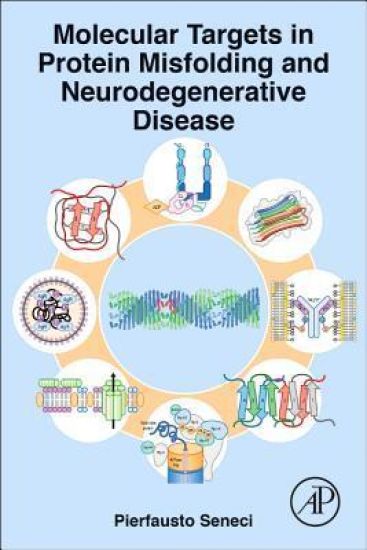
Molecular Targets in Protein Misfolding and Neurodegenerative Disease
Aimed at "drug discoverers" – i.e. any scientist who is interested in neurodegenerative diseases in general, and in finding disease-modifying treatments in particular – the first edition of Molecular Targets in Protein Misfolding and Neurodegenerative Disease will contain both a detailed, discipline-specific coverage (paragraphs on medicinal chemistry, on clinical and preclinical characterization of compounds in development, on target identification and validation, on genetic factors influencing a pathology, etc.) and a drug discovery-oriented, overall evaluation of each target (validation, druggability, existing leads, etc.). Together these will satisfy the needs of various audiences, including in vitro biologists, pharmacologists, medicinal chemists, etc.
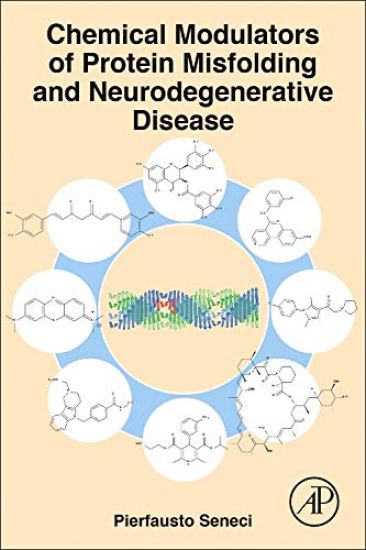
Chemical Modulators of Protein Misfolding and Neurodegenerative Disease
This book is a neurochemistry-based companion for Protein Misfolding and Neurodegenerative Diseases: Molecular Targets, an Elsevier title by the same author publishing in December 2014. While the first book focuses on biology and molecular targets, this companion book describes how these targets are regulated by small molecules and disease-modifying compounds. The book begins with a brief introduction to how key proteins become dysfunctional, and each subsequent chapter describes major disease mechanisms in Alzheimer’s and other tauopathies. Properties and development status of these molecular targets and disease mechanisms are thoroughly described, as are small molecule effectors of autophagy and dis-aggregating agents.
Solid-Phase Synthesis and Combinatorial Technologies

Solid-Phase Synthesis and Combinatorial Technologies

Pierfausto Seneci

John Wiley Sons Inc
2000
sidottu
A unique, integrated look at solid-phase synthesis and advances in combinatorial chemistry and technologies The last decade has seen a rapid expansion in combinatorial technologies, a field where chemistry disciplines intersect with automation, statistics, and information science, as well as certain biological disciplines. Reflecting these multidisciplinary trends, this new work provides a comprehensive overview of the most important aspects of solid-phase synthesis (SPS), combinatorial chemistry, and related combinatorial technologies. It clearly demonstrates how SPS and combinatorial chemistry have extended their application from the pharmaceutical arena to new areas, including biotechnology, material sciences, catalysis, and agrochemical industries, and explores in detail strategies for planning, designing, preparing, and testing of combinatorial libraries in various disciplines. Designed to meet the needs of both experienced combinatorial chemists and newcomers to the field, Solid-Phase Synthesis and Combinatorial Technologies: * Surveys the most recent developments in SPS and combinatorial chemistry * Explains the entire process, from determining the need for a library to the details necessary for synthesis of the library * Discusses choice of format, size, and the rationale behind the design of each synthetic step * Surveys the analytical techniques and the purification methods used to characterize and purify combinatorial libraries * Employs a large number of examples to illustrate important concepts * Includes problems geared toward applying acquired knowledge and designing the steps to SPS/library synthesis * Describes the quality control and activity screening of combinatorial libraries for various applications * Features a detailed bibliography of more than 1,700 relevant sources