Kirjojen hintavertailu. Mukana 12 459 402 kirjaa ja 12 kauppaa.

Kirjahaku

Etsi kirjoja tekijän nimen, kirjan nimen tai ISBN:n perusteella.

9 kirjaa tekijältä Priscilla Browne

Design Control and Manufacture of Medical Devices for Engineers
The aim of the short book is to provide an understanding of the importance of design controls in device quality and safety for the patient and end user. Design controls interact with main elements of a companies quality management system and they have a continual role in post market surveillance and maintaining the product design throughout its lifecycle. Design Control and their statutory regulations ensure that good quality management (QM) practices are used for the design of medical devices and products remain consistent with quality management systemsDesign controls increase the probability that the design transferred to production will result in a medical device that performs and functions as intended and meets the user's needs. Providing a safe and effective medical device is critical for the success of any firm or manufacturing company. This book covers the nine main areas of design control listed below. It is an ideal desktop companion or resource for those new to design controls or those impacted by them. Short Concise (Paperback book- 99 pages)
Data Integrity Pocket Guide

Data Integrity Pocket Guide

Priscilla Browne

Createspace Independent Publishing Platform
2017
pokkari
This short book provides an overview of Data integrity within regulated settings such as Medical device and Pharmaceutical industries. Data Integrity applies to both paper based records and electronic records. This pocket book introduces the principles of Data integrity and reliability. It also steps through the requirements of validating automated and computerised systems. This pocket book is an ideal resource for quick reference, training in Data integrity and ensuring the importance of Data integrity throughout an organisation is realised
Commissioning, Qualification and Validation

Commissioning, Qualification and Validation

Priscilla Browne

Createspace Independent Publishing Platform
2017
pokkari
Commissioning, Qualification and Validation (CQV) are requirements of modern facilities within the Life Science industry. Be it a Medical Device Manufacturing, pharmaceuticals or bio-pharmaceuticals, each present challenges in how new facilities, equipment, utilities and processes are introduced. Providing a defined approach to CQV aligns activities to ensure success and the timely completion. This book covers the core elements of CQV including the key steps, terminology and how an integrated approach to CQV can be achieved.Chapter 1-Introduction to Commissioning & Qualification (C&Q)Chapter 2-FacilitiesChapter 3-Introduction to Validation Chapter 4-Design RequirementChapter 5-Risk ManagementChapter 6-Validation Planning Chapter 7-Clean UtilitiesChapter 8-Equipment Validation Chapter 9-Process ValidationChapter 10-Test Method ValidationChapter 11-Supplier ValidationChapter 12-Summary of Good Manufacturing Practices (GMP)
The Biologics and Biotechnology Handbook for Engineers

The Biologics and Biotechnology Handbook for Engineers

Priscilla Browne

Createspace Independent Publishing Platform
2017
pokkari
This book provides a wide ranging overview of key themes and technologies used in Biotechnology. It is written from an engineers perspective and focuses on understanding the key subject areas including facility requirements, clean utilities, equipment validation, aseptic processes, Chapter 1: FacilitiesIntroduction Contamination Control Material Flow Material Transfer Disinfection and Cleaning Agents GMP Zoning Environmental Grade A (Aseptic) Environmental Grade B Environmental Grade C Environmental Grade D Chapter 2: Clean UtilitiesCompressed Air Water Systems Water for Injection Clean SteamHVAC Chapter 3: Sterile Manufacturing OperationsUnit Operations Raw materials Upstream Processing Filling Operations Container Closure Integrity Isolator Barrier SystemsDecontamination Agents Containment Steam Sterilisers Chapter 4: DepyrogenationWhat is Depyrogenation? Pyrogens Endotoxins and Depyrogenation Biological Indicators for Dry HeatControl of Materials In-Process Controls Cooling Failure of Depyrogenation Chapter 5: Cleaning and DisinfectionCleaning ValidationPICS/s Guidance on limit Test Methods Cleaning Process Design Piping Utilities Chapter 6: Process DevelopmentVial Washers Depyrogenation Tunnels Isolators Chapter 7: Physical ProcessesFluid Flow Classification of Fluids Mixing Vessel Geometry Heat Transfer Chapter 8: Equipment ValidationDepyrogenation Tunnels (Equipment Validation) Isolators (Equipment Validation) Steam Sterilisers (Equipment Qualification) Chapter 9: Performance QualificationDepyrogenation Isolators Steam SterilisersChapter 10: Data IntegrityThe Lifecycle of Data System Categorisation Chapter 11: Test Method Validation Basics Chapter 12: Ethylene Oxide SterilisationSterilisation and Parametric Release Sterilisation Conditions Packaging Systems Pure ethylene oxide sterilizers Ethylene Oxide Sterilisation Cycles Biological indicator (BI) placement Chapter 13: Single Use TechnologyIntroduction Extractables and Leachables BiocompatibilityChapter:14 Extractables and LeachablesIntroductionExtractables Explained Leachables Explained
GMP and GXP Guide for Engineers

GMP and GXP Guide for Engineers

Priscilla Browne

Createspace Independent Publishing Platform
2017
pokkari
The GMP and GXP Guide for Engineers brings together regulatory guidance and industry norms into a paperback resource for Engineers and professionals working in Life Sciences (Medical devices, Pharamceutical and Biotechnology). It is a powerful resource for those looking to refresh knowledge or those who wish to have a practical resource at their fingertips. The title is divided into five comprehensive chapters.Chapter 1-Good Manufacturing Practices (GMP): This chapter reviews the body of guidance and regulations on GMP published by the FDA, PICs, EU GMP and WHO. It will provide the reader with a broad understanding of what is required to meet GMP in a manufacturing setting.Chapter 2-Data Integrity, reviews the increasingly critical area of Data and ensuring data reliability and integrity in a CGMP setting.Chapter 3-Test Method Validation, takes the reader through the fundamentals of TMV. Chapter 4-Cleaning and GMP, provides an overview of a process approach to cleaning along with an explanation of key concepts. In conclusion, Chapter 5-Audit and Inspection Guide, examines auditor approaches and key focus areas on what is expected for onsite inspection. (Large Paperback 8" X 10", 310 pages)
Cleaning Validation

Cleaning Validation

Priscilla Browne

Createspace Independent Publishing Platform
2017
pokkari
This paperback book provides an introduction to Cleaning Verification and Validation for pharmaceutical and biological equipment and facilities. It provides a practical framework for the design and execution of cleaning validation. Cleaning Validation is a regulatory requirement as per GMP. There are many organisations and bodies which provide guidance of implementing a Cleaning Program such as PIC/s ICH, PDA reports, EU GMP V4 to name a few. The key elements to achieving a successful cleaning validation include (1) understanding the sources of residues (soils, excipients, actives, microbes etc) (2) developing a cleaning procedure (3) developing a test method (4) validating the cleaning procedure in respect of the products and equipment to be used in manufacturing.Summary of title indexIntroduction, What is Cleaning, Why Clean, Verification and ValidationDefinitions, Regulatory RequirementsFDA, EU GMP. ICH Q7, Validation Standards Stages of Validation, Stage 1 Process DesignStage 2 Process Qualification, Stage 3 Continued Process Verification, Validation General Principles and PracticesCleaning Validation Prerequisites to Cleaning Validation ExecutionValidation ReportClean In Place (CIP)Visibly CleanSoils and their behaviour DetergentsValidation StrategiesSummaryHow are Acceptance levels defined?Historical Context of LimitsUses of the term limitPDA Technical Report No. 29Calculation of MACO MACO for each piece of equipmentCleaning Validation ProtocolPIC/S Guidance on LimitsTest Methods ICH Q7 Validation of Analytical Methods DefinitionsCleaning Process DesignEquipment Considerations Cleaning Agent Approval Critical Cleaning Parameters Cleaning Pipes Dead LegsConnections and Tie-ins Valves Materials of Construction Pressure Testing SamplingDirect SamplingRinse Sampling Sources of Contaminants Utilities IntroductionKey Definitions Compressed AirWater Systems Clean SteamUseful References Appendix Precision Cleaning (Medical Devices)
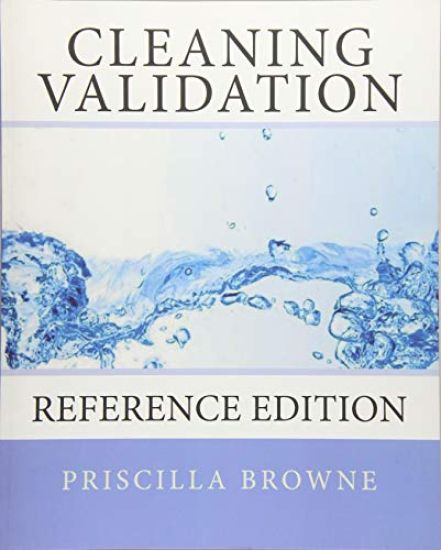
Cleaning Validation

Cleaning Validation

Priscilla Browne

Createspace Independent Publishing Platform
2017
pokkari
This paperback book (Reference Edition) provides an introduction to Cleaning Verification and Validation for pharmaceutical and biological equipment and facilities. It provides a practical framework for the design and execution of cleaning validation. Cleaning Validation is a regulatory requirement as per GMP. There are many organisations and bodies which provide guidance of implementing a Cleaning Program such as PIC/s ICH, PDA reports, EU GMP V4 to name a few. The key elements to achieving a successful cleaning validation include (1) understanding the sources of residues (soils, excipients, actives, microbes etc) (2) developing a cleaning procedure (3) developing a test method (4) validating the cleaning procedure in respect of the products and equipment to be used in manufacturing. Summary of title index Introduction, What is Cleaning, Why Clean, Verification and Validation Definitions, Regulatory Requirements FDA, EU GMP. ICH Q7, Validation Standards Stages of Validation, Stage 1 Process Design Stage 2 Process Qualification, Stage 3 Continued Process Verification, Validation General Principles and Practices Cleaning Validation Prerequisites to Cleaning Validation Execution Validation Report Clean In Place (CIP) Visibly Clean Soils and their behaviour Detergents Validation Strategies Summary How are Acceptance levels defined? Historical Context of Limits Uses of the term limit PDA Technical Report No. 29 Calculation of MACO MACO for each piece of equipment Cleaning Validation Protocol PIC/S Guidance on Limits Test Methods ICH Q7 Validation of Analytical Methods Definitions Cleaning Process Design Equipment Considerations Cleaning Agent Approval Critical Cleaning Parameters Cleaning Pipes Dead Legs Connections and Tie-ins Valves Materials of Construction Pressure Testing Sampling Direct Sampling Rinse Sampling Sources of Contaminants Utilities Introduction Key Definitions Compressed Air Water Systems Clean Steam Useful References Appendix Precision Cleaning (Medical Devices) Page Count 119, Reference Edition, 8" X 10" Paperba
The Biotechnology Pocket Dictionary

The Biotechnology Pocket Dictionary

Priscilla Browne

Createspace Independent Publishing Platform
2017
nidottu
While the online world offers a source of abundant technical definitions, this short pocket book is perfect for the desk drawer, office, library or to slip in yourpocket. With over 300 terms defined. Its focus is providing key terms used in aseptic processing and biotechnology manufacturing operations.