Kirjojen hintavertailu. Mukana 11 717 486 kirjaa ja 12 kauppaa.

Kirjahaku

Etsi kirjoja tekijän nimen, kirjan nimen tai ISBN:n perusteella.

6 kirjaa tekijältä Quentin Stevens

Activating Urban Waterfronts

Activating Urban Waterfronts

Quentin Stevens

Routledge
2020
nidottu
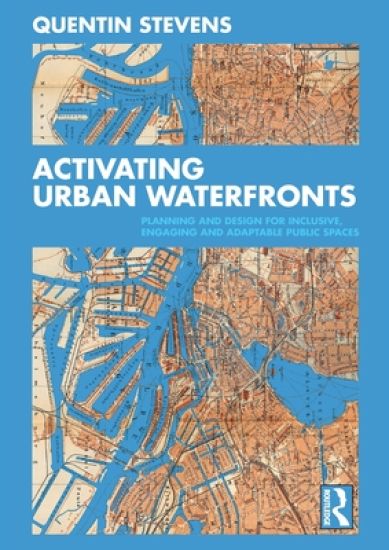
Activating Urban Waterfronts shows how urban waterfronts can be designed, managed and used in ways that can make them more inclusive, lively and sustainable. The book draws on detailed examination of a diversity of waterfronts from cities across Europe, Australia and Asia, illustrating the challenges of connecting these waterfront precincts to the surrounding city and examining how well they actually provide connection to water. The book challenges conventional large scale, long-term approaches to waterfront redevelopment, presenting a broad re-thinking of the formats and processes through which urban redevelopment can happen. It examines a range of actions that transform and activate urban spaces, including informal appropriations, temporary interventions, co-design, creative programming of uses, and adaptive redevelopment of waterfronts over time. It will be of interest to anyone involved in the development and management of waterfront precincts, including entrepreneurs, the creative industries, community organizations, and, most importantly, ordinary users.
Activating Urban Waterfronts

Activating Urban Waterfronts

Quentin Stevens

Routledge
2020
sidottu
Activating Urban Waterfronts shows how urban waterfronts can be designed, managed and used in ways that can make them more inclusive, lively and sustainable. The book draws on detailed examination of a diversity of waterfronts from cities across Europe, Australia and Asia, illustrating the challenges of connecting these waterfront precincts to the surrounding city and examining how well they actually provide connection to water. The book challenges conventional large scale, long-term approaches to waterfront redevelopment, presenting a broad re-thinking of the formats and processes through which urban redevelopment can happen. It examines a range of actions that transform and activate urban spaces, including informal appropriations, temporary interventions, co-design, creative programming of uses, and adaptive redevelopment of waterfronts over time. It will be of interest to anyone involved in the development and management of waterfront precincts, including entrepreneurs, the creative industries, community organizations, and, most importantly, ordinary users.

The Ludic City

The Ludic City

Quentin Stevens

Routledge
2007
sidottu
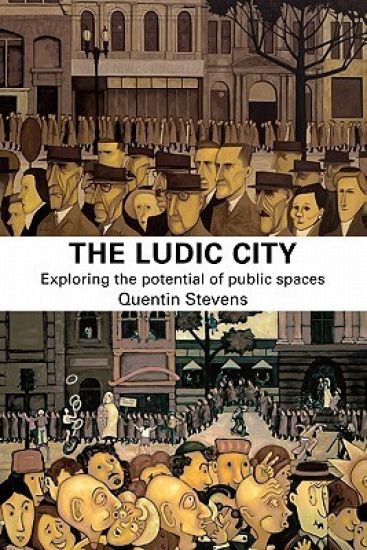
This international and illustrated work challenges current writings focussing on the problems of urban public space to present a more nuanced and dialectical conception of urban life.Detailed and extensive international urban case studies show how urban open spaces are used for play, which is defined and discussed using Caillois' four-part definition – competition, chance, simulation and vertigo. Stevens explores and analyzes these case studies according to locations where play has been observed: paths, intersections, thresholds, boundaries and props.Applicable to a wide-range of countries and city forms, The Ludic City is a fascinating and stimulating read for all who are involved or interested in the design of urban spaces.
The Ludic City

The Ludic City

Quentin Stevens

Routledge
2007
nidottu
This international and illustrated work challenges current writings focussing on the problems of urban public space to present a more nuanced and dialectical conception of urban life.Detailed and extensive international urban case studies show how urban open spaces are used for play, which is defined and discussed using Caillois' four-part definition – competition, chance, simulation and vertigo. Stevens explores and analyzes these case studies according to locations where play has been observed: paths, intersections, thresholds, boundaries and props.Applicable to a wide-range of countries and city forms, The Ludic City is a fascinating and stimulating read for all who are involved or interested in the design of urban spaces.
How Good Are Parklets?

How Good Are Parklets?

Quentin Stevens

TAYLOR FRANCIS LTD
2025
nidottu
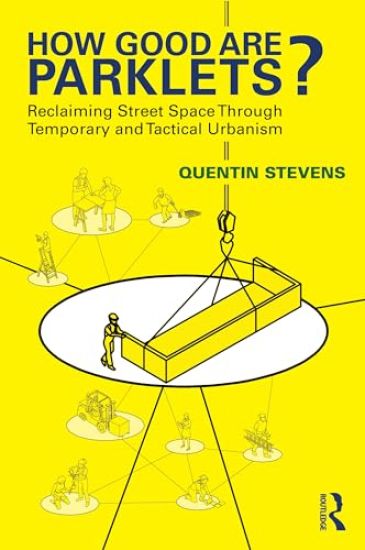
Parklets are innovative, dynamic public spaces that are installed onto on-street car-parking spots. These very small spaces have had a very large and lasting impact on city streets. How Good Are Parklets? is the first book to critically examine the parklet’s purposes, formats, and impacts. It traces the parklet’s history, from its invention in 2005 as an experiment that tactically reclaimed street space for broader public use, to its surge in popularity worldwide after the COVID-19 pandemic for outdoor dining, community gathering, and play. Drawing together archival research, expert interviews, typological analysis, mapping, field observation and design research, the book examines parklets’ design, production, and implementation across varying urban contexts. By examining a wide range of contemporary practices, the book identifies parklets’ potentials to reshape streets, meet diverse social needs and foster community engagement. The book situates parklets within the wider push towards deploying temporary and tactical strategies in the planning and management of cities. Its deep enquiry into one question about one type of spatial intervention contributes new insights into the complex interplays of actors, interests, processes, and materials that are currently transforming the urban landscape - one parking space at a time.
How Good Are Parklets?

How Good Are Parklets?

Quentin Stevens

TAYLOR FRANCIS LTD
2025
sidottu
Parklets are innovative, dynamic public spaces that are installed onto on-street car-parking spots. These very small spaces have had a very large and lasting impact on city streets. How Good Are Parklets? is the first book to critically examine the parklet’s purposes, formats, and impacts. It traces the parklet’s history, from its invention in 2005 as an experiment that tactically reclaimed street space for broader public use, to its surge in popularity worldwide after the COVID-19 pandemic for outdoor dining, community gathering, and play. Drawing together archival research, expert interviews, typological analysis, mapping, field observation and design research, the book examines parklets’ design, production, and implementation across varying urban contexts. By examining a wide range of contemporary practices, the book identifies parklets’ potentials to reshape streets, meet diverse social needs and foster community engagement. The book situates parklets within the wider push towards deploying temporary and tactical strategies in the planning and management of cities. Its deep enquiry into one question about one type of spatial intervention contributes new insights into the complex interplays of actors, interests, processes, and materials that are currently transforming the urban landscape - one parking space at a time.