Kirjojen hintavertailu. Mukana 12 366 778 kirjaa ja 12 kauppaa.

Kirjahaku

Etsi kirjoja tekijän nimen, kirjan nimen tai ISBN:n perusteella.

4 kirjaa tekijältä R. A. Markus

The End of Ancient Christianity

The End of Ancient Christianity

R. A. Markus

Cambridge University Press
1991
pokkari
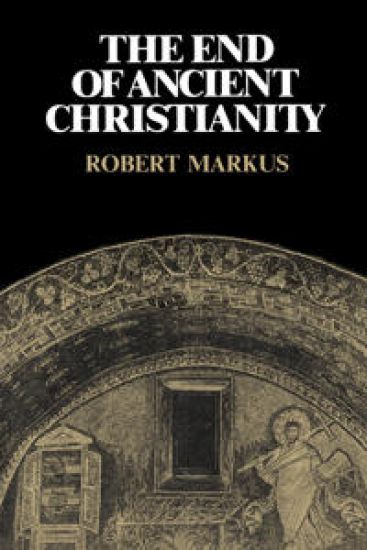
This book is concerned with one central historical problem: the nature of the changes that transformed the intellectual and spiritual horizons of the Christian world from its establishment in the fourth century to the end of the sixth. The End of Ancient Christianity examines how Christians, who had formerly constituted a threatened and beleaguered minority, came to define their identity in a changed context of religious respectability in which their faith had become a source of privilege and power.
Gregory the Great and his World

Gregory the Great and his World

R. A. Markus

Cambridge University Press
1997
sidottu
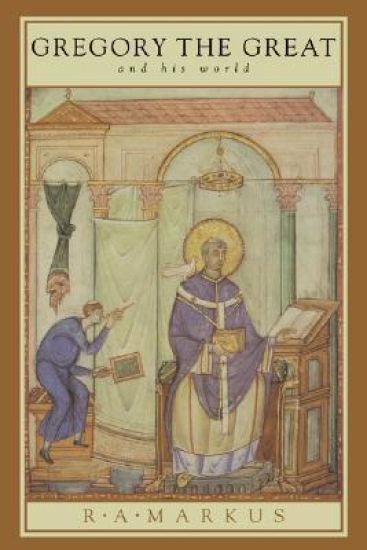
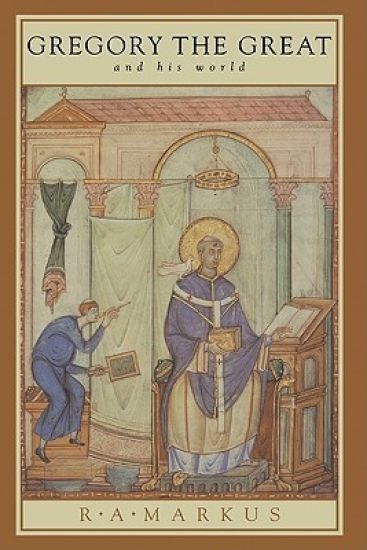
Markus's new and accessible work is the first full study of Gregory the Great since that of F. H. Dudden (1905) to deal with both Gregory's life and work as well as with his thought and spirituality. With his command of Gregory's works, Markus portrays vividly the daily problems of one of the most attractive characters of the age. Gregory's culture is described in the context of the late Roman educational background and in the context of previous patristic tradition. Markus seeks to understand Gregory as a cultivated late Roman aristocrat converted to the ascetic ideal, caught in the tension between his attraction to the monastic vocation and his episcopal ministry, at a time of catastrophic change in the Roman world. The book deals with every aspect of his pontificate: as bishop of Rome, as landlord of the Church lands, in his relations to the Empire, and to the Western Germanic kingdoms in Spain, Gaul, and, especially, his mission to the English.
Gregory the Great and his World

Gregory the Great and his World

R. A. Markus

Cambridge University Press
1997
pokkari
Markus’s new and accessible work is the first full study of Gregory the Great since that of F. H. Dudden (1905) to deal with both Gregory’s life and work as well as with his thought and spirituality. With his command of Gregory’s works, Markus portrays vividly the daily problems of one of the most attractive characters of the age. Gregory’s culture is described in the context of the late Roman educational background and in the context of previous patristic tradition. Markus seeks to understand Gregory as a cultivated late Roman aristocrat converted to the ascetic ideal, caught in the tension between his attraction to the monastic vocation and his episcopal ministry, at a time of catastrophic change in the Roman world. The book deals with every aspect of his pontificate: as bishop of Rome, as landlord of the Church lands, in his relations to the Empire, and to the Western Germanic kingdoms in Spain, Gaul, and, especially, his mission to the English.
Signs and Meanings

Signs and Meanings

R. A. Markus

Wipf Stock Publishers
2011
nidottu
This book is based upon the author's Forwood Lectures for 1995 in the University of Liverpool. The first two chapters incorporate the full texts of these and study early Christian conceptions of signs and signification, and investigate the ways in which Christian authors, especially Augustine of Hippo and Gregory the Great, made use of theories of meaning in their ways of interpreting Scriptures. Their interest in the notions of communities based on shared traditions of reading, understanding, and interpretation is given special attention. Professor Markus also considers the question of the ways in which different approaches to the Bible have had more far-reaching implications for their authors' worldviews: to what extent biblical hermeneutics helped shape their hermeneutics of experience. Their differing ways of approaching the Bible related to the huge change in Christian self-understanding between Augustine (c. AD 400) and Gregory the Great (c. AD 600): ascetic habits of reading come to shape a general response to the world as well as to the biblical text. The lecture texts are complemented by further chapters devoted specifically to the theory of signs and meaning, and some of its application in special contexts, such as magic and ritual.